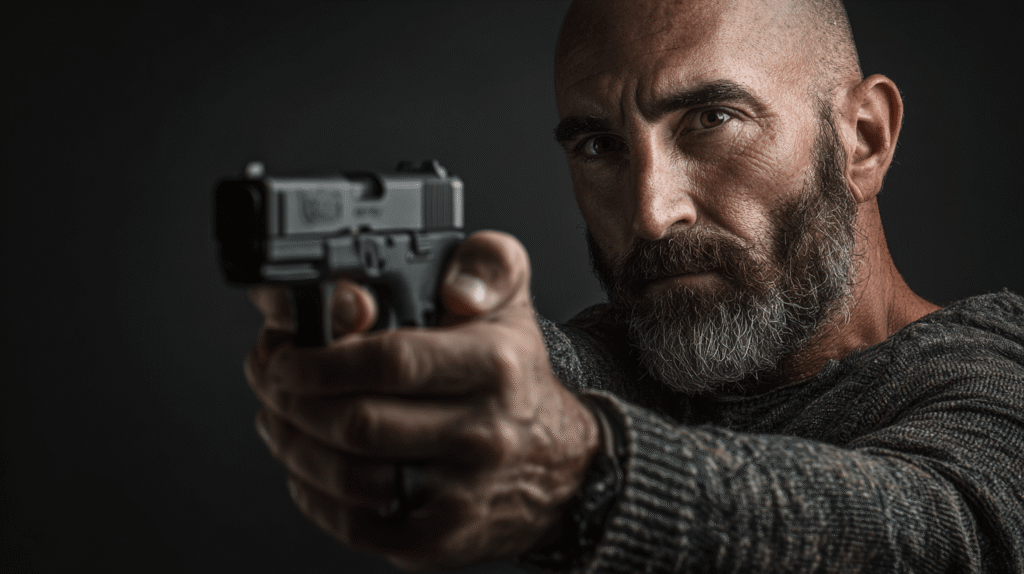

Things to Know About Shooting with Both Eyes Open
- Shooting with both eyes open improves situational awareness, depth perception, and target tracking, especially in defensive and dynamic shooting scenarios.
- This technique allows shooters to acquire targets faster while maintaining a wider field of vision compared to closing one eye.
- Most shooters can learn to shoot with both eyes open through structured practice and gradual training drills.
- While it may feel unnatural at first, proper eye dominance management makes the transition smoother.
- The method is widely used by professional shooters, instructors, and defensive firearm trainers for real-world effectiveness.
Related: One-Handed Shooting Tips
A question I hear all the time from both new shooters and old-school vets:
“Should I shoot with one eye closed or both eyes open?”
Simple answer: Both eyes open. Every time.
If you care about speed, awareness, and staying alive when the fight gets real, this isn’t optional. This is how you train to win. Here’s your no-nonsense guide to why it matters and how to master it.
Why Shooting with Both Eyes Open Gives You the Edge
Most of us were taught to close one eye while aiming. Maybe your granddad shot that way. Maybe your first instructor swore by it. And sure, it works fine if you’re punching holes in paper from a static position.
But in the real world, where things move fast, and chaos is part of the fight, keeping both eyes open gives you a serious advantage.
Here’s what it does for you:
- Situational Awareness: You’ll see more than just your target. That means catching movement, spotting multiple threats, and identifying friend from foe.
- Depth Perception: With both eyes open, your brain can judge distance more accurately. You need that to shoot, move, and make real-time decisions.
- Faster Reactions: There’s no delay from flipping your vision back on after closing an eye. Your brain stays alert and ready.
- Natural Under Stress: In high-stress situations, your body instinctively keeps both eyes open. If you haven’t trained that way, your focus breaks down right when you need it most.
You weren’t built to fight with one eye closed. So don’t train that way.
(As an Amazon Associate, we earn from qualifying purchases.)

- ROMEO5 GUN SIGHT - The ROMEO5 1X20mm Red Dot Sight mounts on any platform, and even though it's small, it's tough; The...
- 2 MOA RED-DOT - For those avid shooters who admire classic red dot reticles on their gun sights, the Romeo5 has 2-MOA...
- MOTAC TECH - The ROMEO5 red dot sight features Motion Activated Illumination technology to increase battery life by...
Last update on 2026-10-08 / Affiliate links / Images from Amazon Product Advertising API
How to Train Yourself to Shoot with Both Eyes Open
This skill takes time. If you’ve spent years squinting down sights, your brain’s going to resist at first. But like anything else, with consistent reps, it clicks.
1. Test Your Dominant Eye
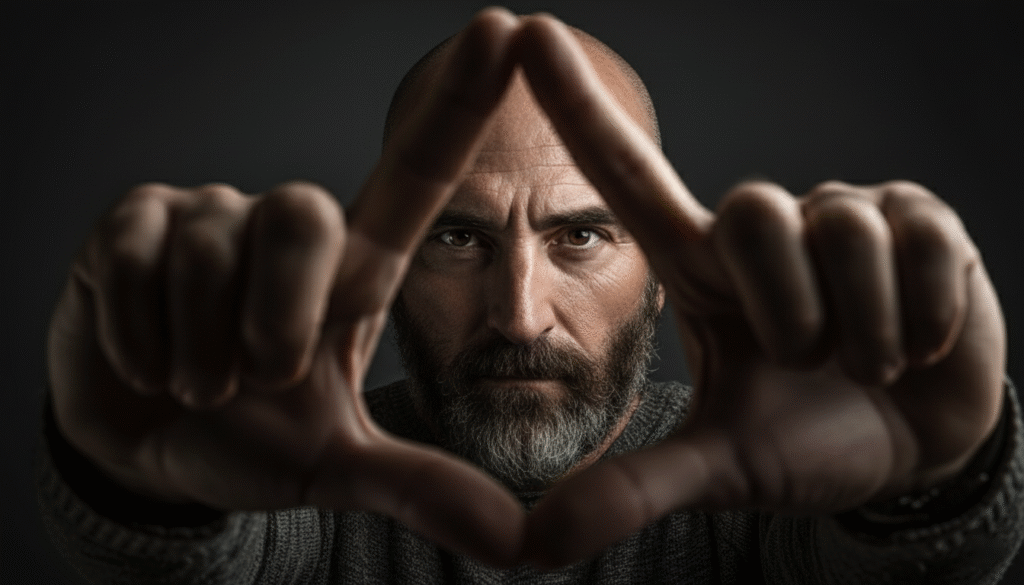
Make a triangle with your thumbs and fingers. Frame a small object across the room. Close one eye, then the other.
The eye that keeps the object in the triangle is your dominant eye. That’s the one your brain uses to aim.
2. Dry Fire at Home
Unload your gun. Pick a safe wall.
Aim at a fixed point with both eyes open. Focus on the front sight with your dominant eye. Let your non-dominant eye stay relaxed.
Do this every day. No recoil, no pressure. Just good muscle memory.
3. Start Live Fire with Low-Recoil Guns
Start with a .22 or another low-recoil firearm.
Keep both eyes open, focus on the front sight, and take slow, controlled shots. Your brain will start learning to prioritize your dominant eye.
4. Add Stress and Movement
When it starts to feel natural, bring in speed and complexity:
- Use a shot timer
- Transition between targets
- Shoot while moving
This simulates real-life conditions and cements the habit.
5. Use Visual Aids if Needed
Still seeing double? Tape over part of your non-dominant lens or blur it with Vaseline. This helps your brain ignore the ghost image while still keeping your eye open. Over time, your brain adapts on its own.

- 1. High-Visibility Splatter Effect Bright fluorescent yellow impact holes instantly show your shot placement — no...
- 2.Optimized 12x18" Size for Versatile Shooting Perfectly sized for handgun, rifle, or airsoft training — fits standard...
- 3.Value Combo Pack – 30 Reactive Sheets Includes 30 high-quality reactive paper targets with scoring rings and...
Last update on 2026-10-09 / Affiliate links / Images from Amazon Product Advertising API
What If You’re Cross-Dominant?
Cross-dominance means your dominant eye and dominant hand are on opposite sides. Like being right-handed but left-eye dominant. It makes things trickier, but not impossible.
Here’s how to handle it:
- Slightly tilt your head to bring your dominant eye behind your sights
- Adjust your stance to align with your dominant eye
- Some shooters switch hands entirely. It takes work, but some find it easier long-term
Cross-dominance is a hurdle, not a wall. Work around it.
When It’s Okay to Shoot with One Eye Closed
There are times when closing one eye can help:
- Long-range precision with magnified optics
- Scoped rifles that demand tight eye relief and alignment
- Certain low-light or glare-heavy situations where clarity is critical
That said, for close-range, defensive, or tactical shooting, your default should be both eyes open. Always train for the fight first.

Last update on 2026-10-09 / Affiliate links / Images from Amazon Product Advertising API
Pros and Cons of Shooting With Both Eyes Open
Pros of Shooting With Both Eyes Open
- Better situational awareness. Keeping both eyes open preserves peripheral vision, helping shooters see movement, additional threats, and bystanders.
- Faster target acquisition. Shooting with both eyes open allows quicker sight pickup and smoother transitions between targets.
- Improved depth perception. Using both eyes enhances distance judgment and spatial awareness during dynamic shooting.
- Reduced eye strain. The technique is more natural and can be less fatiguing than squinting or closing one eye.
- More realistic defensive training. In real-world scenarios, shooters naturally keep both eyes open under stress.
Cons of Shooting With Both Eyes Open
- Learning curve for beginners. New shooters may experience visual overload or difficulty maintaining a clear sight picture.
- Eye dominance challenges. Cross-dominant shooters may see double images and require technique adjustments.
- Less ideal for precision shooting. Slow, accuracy-focused disciplines may benefit from closing one eye to reduce visual distractions.
- Requires consistent practice. Most shooters need deliberate dry fire and live-fire training to become comfortable shooting with both eyes open.
Check out “Pistol Shooting with Both Eyes Open” – Champion Doug Koenig. A video demonstration showing the speed and target acquisition benefits of shooting with both eyes open.
Broader Marksmanship & Structured Training for you to check
IPSC Shooting Course – International Practical Shooting Confederation
Offers structured marksmanship training, foundational skills, and dynamic shooting drills that complement both-eyes-open methods.
Texas Parks & Wildlife: Shooting Skills (Hunter Ed)
Covers foundational marksmanship elements like eye dominance and sight alignment, which are directly relevant to the both-eyes-open technique.
Final Word: Train for Reality, Not Comfort
Shooting with both eyes open is not a style choice. It’s a survival skill.
It gives you faster reactions, better vision, and the ability to stay in the fight when the pressure’s on. It might feel strange at first, but so did holding a gun the first time. Stick with it. Your brain will catch up.
Don’t wait for a bad day to find out your vision was the problem.
Train hard. Stay alert. Stay armed. Stay free.
FAQ
Should I shoot with both eyes open?
Yes, shooting with both eyes open is recommended for most shooters, especially in defensive, tactical, and dynamic environments. It improves awareness, balance, and reaction time. While it may feel awkward initially, most shooters adapt with practice and gain measurable performance benefits over time.
What are the benefits of shooting with both eyes open?
Shooting with both eyes open improves peripheral vision, depth perception, and target acquisition speed. It allows shooters to track movement, maintain situational awareness, and transition between targets more efficiently. These benefits are especially important in self-defense, competition, and real-world shooting scenarios.
When should I shoot with one eye closed?
Shooting with one eye closed may be useful for precision-focused shooting, such as slow-fire bullseye practice or long-range rifle work. Closing one eye can reduce visual distraction and help isolate the sight picture, particularly for new shooters still learning sight alignment fundamentals.
Is shooting with both eyes open harder to learn?
Shooting with both eyes open can feel challenging at first, especially if you’ve trained with one eye closed. The difficulty usually comes from eye dominance conflicts. With structured drills and consistent practice, most shooters adjust quickly and find the technique becomes natural and intuitive.
Does shooting with both eyes open improve accuracy?
Accuracy can improve over time when shooting with both eyes open, particularly in dynamic situations. While static accuracy may initially dip, improved visual processing and stability often lead to better real-world accuracy once the shooter adapts to the technique through regular training.
How does eye dominance affect shooting with both eyes open?
Eye dominance plays a critical role in shooting with both eyes open. Cross-dominant shooters may experience sight confusion initially. Techniques such as slight head adjustment, optic placement, or temporary occlusion training can help the dominant eye take over without closing the other eye.
Is shooting with both eyes open better for self-defense?
Yes, shooting with both eyes open is widely recommended for self-defense. It allows shooters to stay aware of threats, bystanders, and movement while engaging a target. This situational awareness is critical in high-stress environments where tunnel vision can be dangerous.
Should beginners learn shooting with both eyes open?
Beginners can benefit from learning to shoot with both eyes open early, but fundamentals come first. Some instructors start new shooters with one eye closed to build confidence, then transition them to both eyes open once grip, stance, and sight alignment are consistent.
Does shooting with both eyes open work with iron sights and optics?
Yes, shooting with both eyes open works with both iron sights and red dot optics. Red dots are especially forgiving and easier to use with both eyes open. Iron sights may require more practice, but many shooters successfully use them with proper technique.