
Key Facts for Essentials for Gun Cleaning
- A DIY gun cleaning kit lets you choose higher-quality tools and tailor items to your specific firearms and calibers.
- The core essentials include a case, solvent, gun oil, patches, brushes, a cleaning rod, swabs, a cloth, and a light.
- Cleaning after each shooting session helps prevent fouling, corrosion, and mechanical issues.
- Proper organization and storage keep supplies accessible and reduce mess, leaks, and rust.
Related: How To Clean A Gun | Cleaning Tips & Tricks
Make your own gun cleaning kit for a cheap alternative to the store-bought kind. Here is a list of what you need to build your own kit.
10 DIY Gun Cleaning Essentials to Build Your Own Kit
Essentials for Pistol Cleaning Kits
Aside from carrying your firearm responsibly, it is also vital that you learn how to clean and maintain it for your own safety as a user. Faulty guns can cause a truck-load of problems, whether you are a new or an expert gun user. Now a part of maintenance, as we all know it, is cleaning the gun after each use. Whether you pulled that trigger for self-defense or for training purposes, it is your responsibility to clean it safely and thoroughly.
If you are worried about finding the perfect materials to clean your gun, there are so many gun cleaning kits made in the USA out on the market. In fact, most shops that sell guns also offer a variety of kits you can choose from. Nonetheless, if you find this impractical or if you want to choose the items yourself, you can create a gun kit of your own. This way, you can customize the kit to be just right for you and save some money.
1. A Case
The best pistol cleaning kits should have a case. To start your kit, you’ll need some kind of box or bag to store everything in. A toiletry bag will do just fine.
2. A Cleaning Solvent
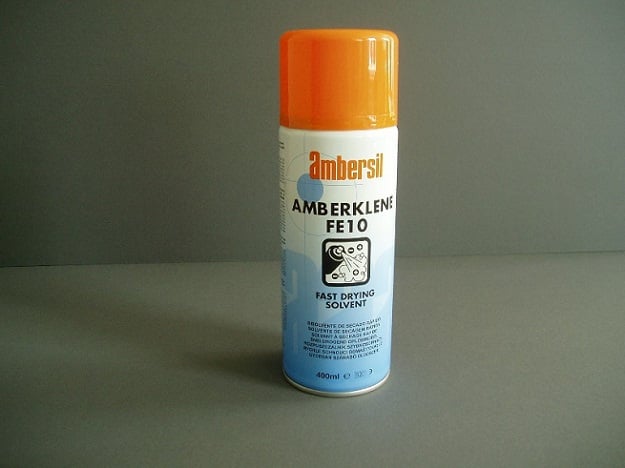
This is used in the initial phases of gun cleaning. Copper-removing bore solvents work best on firearms since they can easily get rid of powder deposits.
3. Gun Oil or Lubricant
A thin coating can help you prevent parts of your gun from rusting. On the other hand, a thick coating can attract debris. Therefore, always apply a thin coat when you’re already putting lubricants on your gun.
4. Patches
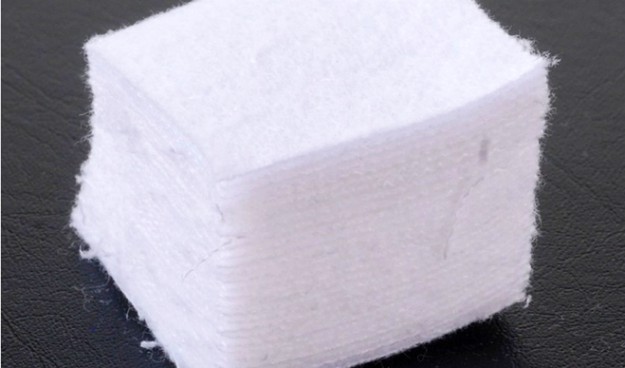
Cotton patches are the preferred choice. Round or rectangular.
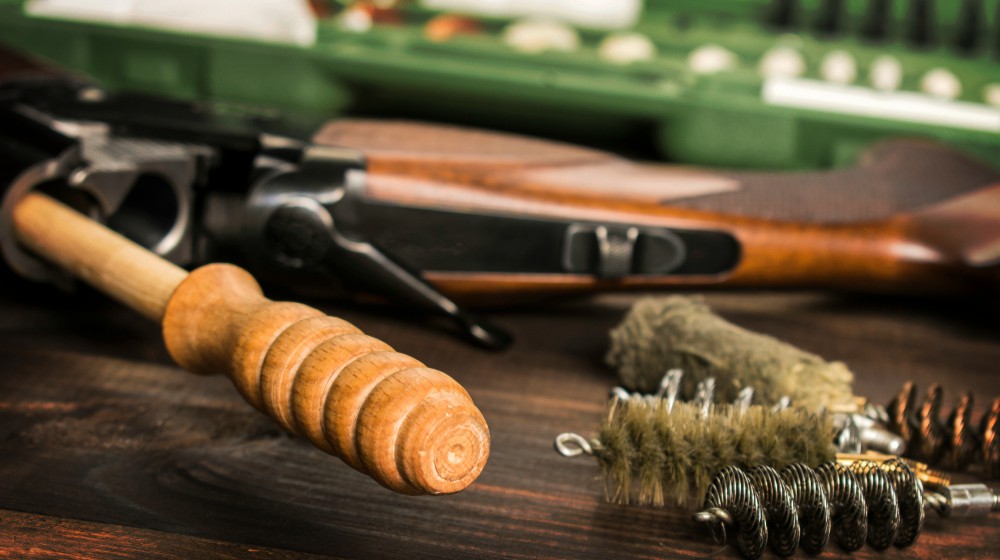
5. Bore Brush

Your rifle cleaning kit needs to have a brush. Plastic or brass brushes are best if you own a rifle.
6. Cleaning Rod

Not too big, not too small. It should fit down your bore just right. If you are handy with a hacksaw, you can trim down the rod, but trim it from the handle side so you don’t have to re-thread anything.
7. Nylon Gun Cleaning Brush
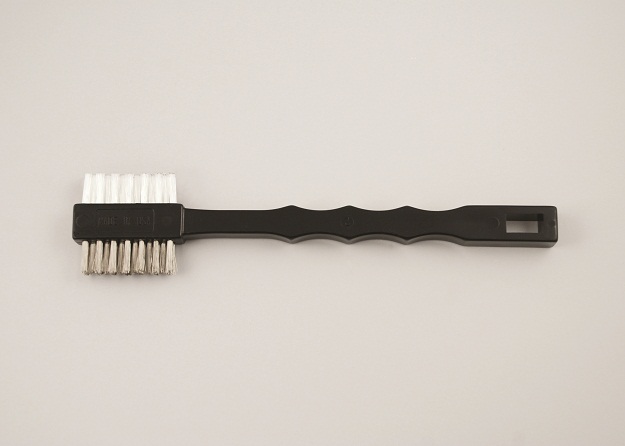
Brushes can help you remove unwanted dust and dirt from tight spaces within your gun.
8. Flashlight
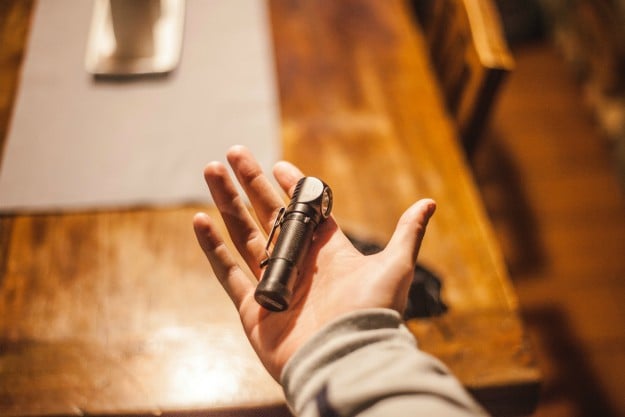
Use a flashlight to spot debris that may not be visible on the gun.
9. Cotton Swabs
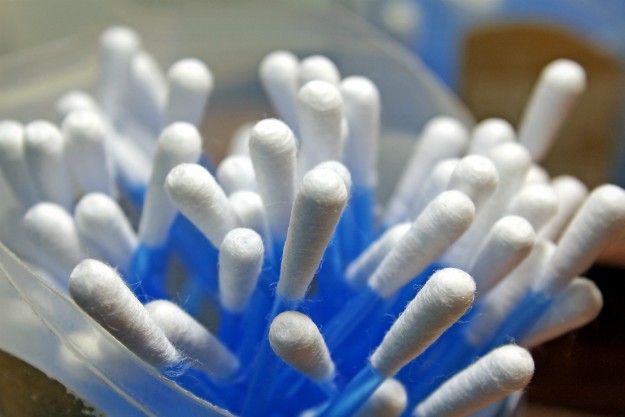
Choose cotton over synthetic, as it is better at holding solvents.
10. Microfiber Cloth
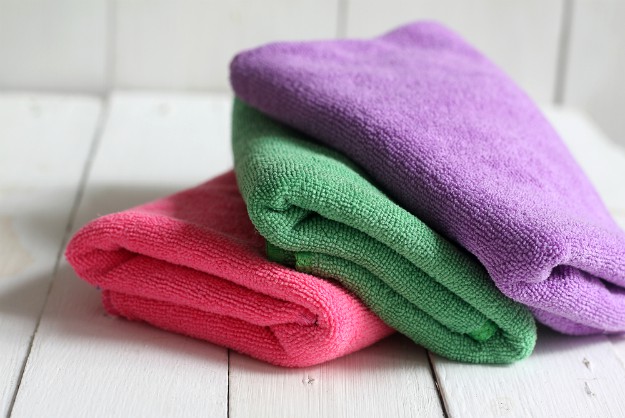
This magical cloth can remove all the invisible debris that keeps your gun from looking posh, flawless, and handsome.
How to Build a DIY Gun Cleaning Kit
Once assembled, keep your kit stored in a dry place and check supplies periodically so you’re always ready for routine maintenance.
Building your own gun cleaning kit is simple, affordable, and allows you to customize tools for your specific firearms. Instead of buying a pre-made kit with unnecessary items, a DIY approach ensures you only carry what you actually need.
Step 1: Choose a storage case
Start with a sturdy case, pouch, or small box that keeps everything organized. Look for something compact, easy to transport, and resistant to leaks from solvents or oils.
Step 2: Add cleaning chemicals
Include a quality gun-cleaning solvent to remove fouling and a gun oil or lubricant to protect metal surfaces. Keep bottles tightly sealed and stored upright to prevent spills.
Step 3: Include bore and surface tools
Pack a cleaning rod sized for your firearm, along with bore brushes (plastic or brass) that match your calibers. Add a nylon brush for scrubbing small parts and hard-to-reach areas without damaging finishes.
Step 4: Add consumables
Cotton patches, cotton swabs, and a microfiber cloth are essential for applying solvent, wiping residue, and performing a final clean wipe-down.
Step 5: Finish with inspection tools
A small flashlight or bore light helps you inspect the barrel and internal components to ensure all debris and fouling have been removed.
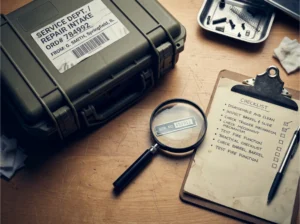
Checklist
- Case/bag/box
- Cleaning solvent (copper-removing bore solvent)
- Gun oil/lubricant
- Cotton patches
- Bore brush (plastic or brass)
- Cleaning rod (correct size)
- Nylon gun cleaning brush
- Flashlight/bore light
- Cotton swabs
- Microfiber cloth
So there you have it, the kit essentials you need to clean your gun. Now, our lawyers say we have to remind you to always unload your gun and test for safety first before cleaning it to avoid any disaster from happening. Lawyers are dumb, but so are you if you clean a loaded firearm!
Have you built your own kit? Do you have any bits of advice for building theirs, or even cleaning their gun? Share with us in the comments section below.
Up Next: The Best Way To Store Your Ammo
Follow us on Facebook, Instagram, Twitte

Editor’s note: This post was originally published on March 23, 2015, and has been updated for quality and relevancy.
Frequently Asked Questions
1. What do I need in a gun cleaning kit?
A basic gun cleaning kit should include a storage case, cleaning solvent, gun oil or lubricant, cotton patches, a bore brush, a cleaning rod, a nylon cleaning brush, cotton swabs, a microfiber cloth, and a small flashlight or bore light. These tools cover routine cleaning and inspection needs.
2. How often should I clean my gun?
You should clean your gun after every shooting session to remove fouling, residue, and moisture. For firearms kept in storage, a light cleaning and inspection every few months helps prevent rust and corrosion, even if the gun hasn’t been fired recently.
3. Can I make my own gun cleaning kit?
Yes, you can easily make your own gun cleaning kit by purchasing individual tools instead of a pre-assembled kit. A DIY kit lets you choose higher-quality components, tailor tools to your specific firearms, and store everything in a case that fits your needs and budget.
4. What kind of solvent should I use for gun cleaning?
Most firearms benefit from a dedicated gun-cleaning solvent designed to remove powder residue and fouling. Copper-removing bore solvents are useful for rifles, while general-purpose solvents work well for pistols and shotguns. Always follow manufacturer instructions to avoid damaging finishes or components.
5. Is gun oil the same as gun cleaner?
No, gun oil and gun cleaner serve different purposes. Gun cleaner or solvent removes fouling, dirt, and residue, while gun oil lubricates moving parts and protects metal surfaces from rust. Using both ensures proper cleaning, smooth operation, and long-term firearm protection.
6. Do I need different cleaning tools for different calibers?
Yes, bore brushes, cleaning rods, and patches should match the caliber of your firearm for effective and safe cleaning. Using the correct size prevents damage to the barrel and ensures fouling is removed properly. Some accessories, like nylon brushes and cloths, work across multiple calibers.
7. Can household items replace gun cleaning tools?
Some household items, such as cotton swabs or microfiber cloths, can supplement a gun cleaning kit. However, household cleaners and improvised tools should not replace proper gun solvents, brushes, or rods, as they may damage firearm components or fail to clean critical areas safely.
8. What is the best way to store a gun cleaning kit?
A gun cleaning kit should be stored in a dry, organized case or bag that keeps chemicals sealed and tools separated. Proper storage prevents leaks, contamination, and rust while ensuring your cleaning supplies are easy to access whenever maintenance is needed.