What You Need to Know: 2026 Price Hike
The April 2026 ammo price hike hit Federal, CCI, Winchester, and most major training brands by 2 to 10 percent. To protect your skills without blowing your budget, shift to structured 60-round range sessions with a timer, implement a daily 15-minute dry fire routine, and buy 9mm FMJ in 1,000-round case quantities from bulk retailers. The training requirement has not changed. The math just got tighter.
Related: Ammo Stockpiling in 2026: How Much Is Enough and How Do You Know?
If you’ve been telling yourself you’ll cut back on range time “just for a month” while prices settle, that’s the trap. The April 2026 price increases hit Federal, CCI, Remington, Speer, Blazer, Fiocchi, and Winchester across the board. These aren’t temporary. They reflect permanent cost adjustments from Kinetic Group and Winchester’s parent companies. The answer isn’t to train less. The answer is to train smarter and buy better.
Which Ammo Brands Increased Prices in the 2026 Ammo Price Hike?
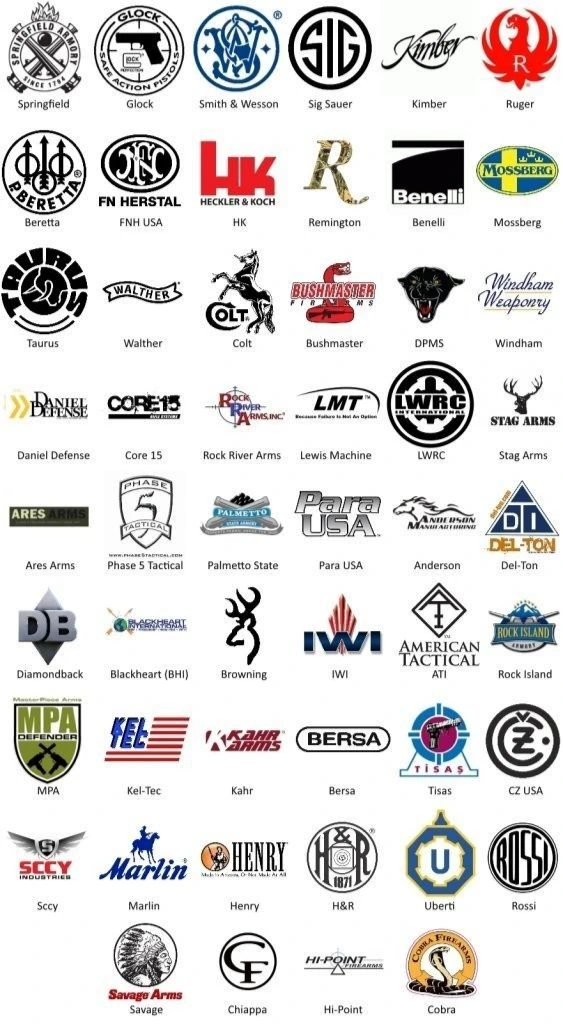
Kinetic Group (Federal, CCI, Remington, Speer, Blazer, Fiocchi, Hevi-Shot, B&P) confirmed a 2 to 10 percent price increase effective April 1, 2026. Winchester implemented a separate 3 to 8 percent increase in January 2026. These are the brands that stock most gun shop shelves and online retailer inventories.
In real numbers: if you were buying 9mm FMJ at $0.20 per round before the hike, you’re now looking at $0.21 to $0.22 per round. That’s $2 more per 100-round training session. It sounds small until you run a year’s worth of sessions: 24 range visits times $2 equals $48 more per year for the same schedule.
The actual danger isn’t the $48. It’s what happens when responsible carriers quietly skip sessions because ammo “feels expensive right now.” Decades of documented civilian defensive gun uses point to one consistent finding: the carriers who came out of those incidents alive and legally clear were the ones who had maintained their skills. The ones who hadn’t trained consistently were the ones who froze, missed, or made decisions they couldn’t justify afterward.
A 2026 ammo price hike is not a reason to stop training. It’s a reason to get more precise about how you spend your training budget.
What Is the Difference Between Training Ammo and Carry Ammo Costs?
Before talking about savings, you need to understand which budget line is which. These are two separate spending categories, and they should never be confused.
- Training ammo (FMJ): Full metal jacket, higher volume, lower cost. This is what you shoot at the range to maintain your draw stroke, trigger press, target transitions, and accuracy under time pressure. Federal American Eagle, Blazer Brass, and CCI Blazer are the workhorses here. You’re buying in bulk, comparing price per round, and prioritizing reliability and consistency over terminal performance. This is the line where you can be strategic about cost.
- Carry ammo (JHP): Jacketed hollow point, small quantities, higher per-round cost. This is what lives in your carry gun and your spare magazine. You need enough to verify function in your specific gun (50 to 100 rounds minimum), then you’re done buying until your next carry ammo rotation, typically every 12 months or when the rounds have been loaded and unloaded repeatedly. Federal HST, Speer Gold Dot, and Hornady Critical Duty are the standards that independent gel testing data consistently validates. This is the line you never cut.
The price hike hit both lines, but the impact is different. If your carry ammo costs $1.50 per round and you carry 15+1 rounds plus a spare magazine, that’s roughly $48 worth of carry ammo per full load. That’s not a category you’re buying by the case. The training ammo budget, where you’re buying 500 to 1,000 rounds at a time, is where the price increase actually stings and where smart buying has real impact.
How Many Rounds Do You Actually Need for an Effective Training Session?
Most carriers don’t have a training plan. They go to the range, shoot until they feel like they’ve done enough, and drive home. That approach works fine when ammo is cheap and time is unlimited. It doesn’t work when you’re trying to maintain proficiency on a tighter budget.
Field data from documented defensive gun uses shows that most civilian defensive incidents involve 3 shots or fewer at distances under 7 yards. A 60-round qualification standard, shot from 3 to 15 yards with specific par times, reveals whether your draw stroke and accuracy are actually carry-ready. You don’t need 200 rounds per session. You need 60 to 100 rounds shot with purpose and a timer.
Research on training competency consistently shows that the gap between “has a CCW permit” and “can actually perform under stress” is closed through deliberate practice, not volume. The same misses at 200 rounds a month are still misses. Fifty rounds shot with a par timer and a defined standard accomplishes more than 200 rounds of unstructured shooting.
Here’s a practical session structure that runs 70 rounds and covers everything that matters:
- Warm-up block (20 rounds): Draw and fire single shots at 5 yards on a 3-second par. Confirm your draw stroke is working. Identify any grip or trigger problems before moving on.
- Qualification block (30 rounds): Run the Rangemaster Qual or a comparable scored standard. Record your score. If you’re passing consistently, add distance or cut par time.
- Scenario block (20 rounds): Multiple-target transitions, one-handed shooting (strong and support), moving off the line. These are the skills most carriers have never drilled.
The other piece is dry fire. Dry fire is the highest-ROI training investment available to most civilian carriers. The draw stroke, the trigger press, and the reset are all trainable without a single round downrange. Fifteen minutes of dry fire daily costs nothing in ammo and covers the skills that actually determine whether you can access your gun when you need it.
If you add serious dry fire practice to your routine, you can reduce your live-fire volume without reducing your readiness. That’s not a compromise. That’s what instructors with documented track records actually recommend.
See this: Your Dry-Fire CCW Tune-Up: 3 At-Home Drills That Actually Carry Over
What Are the Best Bulk Ammo Deals for 9mm, .45 ACP, and .380 After the 2026 Price Hike?
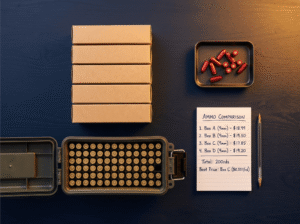
If you’re buying training ammo one box at a time, you’re paying retail margin on every round. Case pricing (500 to 1,000 rounds) at bulk retailers drops the per-round cost significantly. Here’s where to look and what to expect post-hike.
| Product | Caliber | Price Range (per round) | Case Size | Where to Buy |
| Federal American Eagle FMJ | 9mm 115gr | $0.21 to $0.24 | 1,000 rds | Lucky Gunner, Ammo.com |
| Blazer Brass FMJ | 9mm 115gr | $0.20 to $0.23 | 1,000 rds | Target Sports USA, Lucky Gunner |
| CCI Blazer Aluminum FMJ | 9mm 115gr | $0.17 to $0.20 | 1,000 rds | Ammo.com, Target Sports USA |
| Federal American Eagle FMJ | .45 ACP 230gr | $0.36 to $0.42 | 500 rds | Lucky Gunner, Ammo.com |
| Blazer Brass FMJ | .380 ACP 95gr | $0.28 to $0.33 | 500 rds | Target Sports USA, Lucky Gunner |

Price ranges reflect post-April 2026 bulk case pricing. Per-round cost drops significantly at case quantities vs. box-of-50 retail.
A note on steel-case ammo: You’ll see Tulammo, Wolf, and Barnaul steel-cased 9mm at $0.14 to $0.17 per round. A steel case does cause modestly higher extractor wear than brass over tens of thousands of rounds. For a civilian carrier shooting 2,000 to 4,000 rounds per year, this wear is real but not practically significant. If you’re doing a high-volume training stretch and want to cut costs, a steel case is a defensible choice in most modern 9mm pistols. Run 50 rounds through your specific gun to confirm reliable function before committing to a case. If it runs clean, it runs clean.
Target Sports USA’s AMMO+ membership program locks in case pricing and provides free shipping, which matters when you’re ordering by the case. Ammo.com’s bulk pricing tiers drop further at 1,000 rounds. Lucky Gunner publishes in-stock pricing in real time, which makes it useful for price comparison even if you ultimately order elsewhere.
What Mistakes Are Costing Shooters the Most When Managing Their Training Ammo Budget?
- Cutting the range time entirely when prices go up. This is the worst response and the most common one. The skill degradation from not training is far more expensive than the cost of 100 rounds. Find the minimum viable session frequency (for most carriers, that’s twice a month) and protect it.
- Buying carry ammo in bulk to “save money.” Self-defense JHP has a shelf life in your carry gun. You rotate it every 12 months or after significant loading and unloading cycles. Buying 500 rounds of Gold Dot doesn’t save you money. It either sits in storage for years or gets shot at the range, which was never what it was optimized for.
- Shooting the same volume with no structure. Two hundred rounds of unfocused shooting at a paper plate is expensive practice at making the same mistakes. Fifty rounds with a timer and a defined standard improve performance. Volume without structure is entertainment, not training.
- Ignoring dry fire because it doesn’t feel like real training. The drawstroke is the slowest and most critical part of the defensive sequence. You can drill it thousands of times at home for free. Carriers who dismiss dry fire because there’s no bang are the same carriers who fumble the draw under stress at the range.
- Letting one retailer set your price benchmark. Lucky Gunner, Target Sports USA, and Ammo.com all have real-time pricing on the same SKUs. A $0.02 per-round difference on a 1,000-round case is $20. It takes four minutes to check all three before ordering.
- Not accounting for dry fire in your monthly training budget. If you’re doing structured dry fire, you can reduce live-fire sessions without reducing skill. Instructors with documented track records recommend a 3:1 dry-to-live ratio. Factor that into the budget before assuming you have to cut range time.
What Is the Best 2026 Ammo Budget Strategy for Serious Carriers?
The price hike is real. The training requirement hasn’t changed. Here’s the three-part strategy that keeps your proficiency up without blowing your ammo budget:
- Structure your live fire. Use a scored qualification standard. Run 60 to 100 focused rounds per session with a timer. Record your scores. Know where your gaps are. The Rangemaster Qual is free and gives you a clear pass/fail benchmark at your current skill level.
- Add dry fire. Fifteen minutes per day. Drawstroke, trigger press, target transitions. Zero ammo cost. This is the single highest-ROI training investment for most carriers, and it covers the skills that actually determine real-world readiness.
- Buy smart. Buy in case quantities from bulk retailers. Compare Lucky Gunner, Ammo.com, and Target Sports USA before ordering. Prioritize reliable, consistent FMJ at the lowest per-round price you can verify runs cleanly in your gun. Never cut carry ammo quality.
The carriers who maintain their skills through price increases and schedule constraints are the ones who’ve built a training system, not just a habit of going to the range when it feels convenient. That system works at $0.18 per round, and it works at $0.24 per round.
Check this video from Line45: Ammo Prices KEEP GOING UP! Every Shooter Needs To See This!
Frequently Asked Questions
-
How much did 9mm ammo prices go up in the 2026 ammo price hike?
Most 9mm FMJ prices rose by $0.01 to $0.02 per round following April 2026 increases from Kinetic Group (2 to 10 percent) and Winchester (3 to 8 percent). For a carrier running two 100-round sessions per month, that adds roughly $48 per year to maintain the same training schedule.
-
Which major ammo brands were affected by the 2026 price increases?
Kinetic Group brands (Federal, CCI, Remington, Speer, Blazer, Fiocchi, Hevi-Shot, and B&P) all increased prices effective April 1, 2026. Winchester implemented its own separate increase in January 2026. These brands cover the majority of training and carry ammo sold at retail and through online bulk retailers.
-
Can dry fire replace live fire training for concealed carriers?
Dry fire cannot fully replace live fire, but instructors recommend a 3:1 dry-to-live ratio for most civilian carriers. Dry fire effectively trains the drawstroke, trigger press, and target acquisition, all of which directly determine real-world readiness. Combined with structured 60 to 70-round live-fire sessions, it maintains proficiency at a fraction of the ammo cost.
-
Is steel-case ammo safe to use for training?
Steel-case ammo causes modestly higher extractor wear than brass over tens of thousands of rounds, but for a civilian carrier shooting 2,000 to 4,000 rounds per year, the practical impact is minimal. Run 50 rounds through your specific gun before committing to a case. If it cycles reliably, it is a defensible cost-reduction option for high-volume training periods.
-
What is the cheapest reliable 9mm training ammo after the 2026 price hike?
CCI Blazer Aluminum FMJ currently runs $0.17 to $0.20 per round at case quantities, making it the lowest-cost brass-adjacent option among major brands. Steel-case alternatives (Tulammo, Wolf, Barnaul) run $0.14 to $0.17 per round but require function-testing in your specific gun first. Both outperform random box-of-50 retail purchases on per-round cost.
-
How much carry ammo do I need to buy, and how often should I rotate it?
Buy enough carry ammo to function-test 50 to 100 rounds through your specific gun to confirm reliable feeding and ejection. After that, your carry load (typically 15 to 17 rounds plus a spare magazine) should be rotated every 12 months or after repeated loading and unloading cycles. Bulk purchasing of JHP is not recommended, as it leads to stale ammo or range use that wastes premium self-defense rounds.
-
What is the best way to buy training ammo in bulk to beat the 2026 price hike?
Buy in case quantities (500 to 1,000 rounds) from Lucky Gunner, Ammo.com, or Target Sports USA. Compare all three before ordering, as a $0.02 per-round difference on a 1,000-round case equals $20. Target Sports USA’s AMMO+ membership adds free shipping on case orders. Ammo.com’s bulk pricing drops further at 1,000 rounds. Never benchmark on a single retailer.
-
How do I know if my current training is actually building defensive skills?
Run a scored qualification standard with a shot timer, not open-ended range sessions. The Rangemaster Qualification (60 rounds, 3 to 15 yards, with defined par times) is free and gives a clear pass/fail result tied to documented real-world defensive performance data. Record your score every session. If your score isn’t improving over time, your training method needs to change before your ammo budget does.
-
Does the 2026 ammo price hike affect carry ammo the same way as training ammo?
The hike hit both categories, but the budget impact is different. Carry ammo is purchased in small quantities (one to two boxes per year for most carriers), so the per-round increase is a minor annual expense. Training ammo, bought in 500 to 1,000-round increments, is where the hike creates real budget pressure. Never adjust carry ammo quality to offset training costs.
-
What is the minimum training frequency a concealed carrier should undergo, regardless of ammo prices?
Field data from documented civilian defensive incidents points to a clear pattern: carriers who maintained consistent training performed better when it mattered. For most carriers, twice a month at 60 to 70 focused rounds per session represents the minimum viable frequency for maintaining drawstroke and accuracy standards. Below that threshold, skill degradation becomes a genuine safety concern.
Caliber wars aside, why that one? Drop your take.👇