
Quick Look
Aero Precision is recapitalizing, not closing. AR-15 parts buyers should expect short-term stock gaps on uppers, lowers, and bolt carrier groups through 2026. Secure defensive-build components now, substitute freely on range builds, and verify any alternative against published mil-spec (bolt steel, barrel lining, gas length, forging spec), not the brand label.
Related: Swab-Its Star Chamber Cleaner for AR-15 Rifles
Is Aero Precision Going Out of Business?
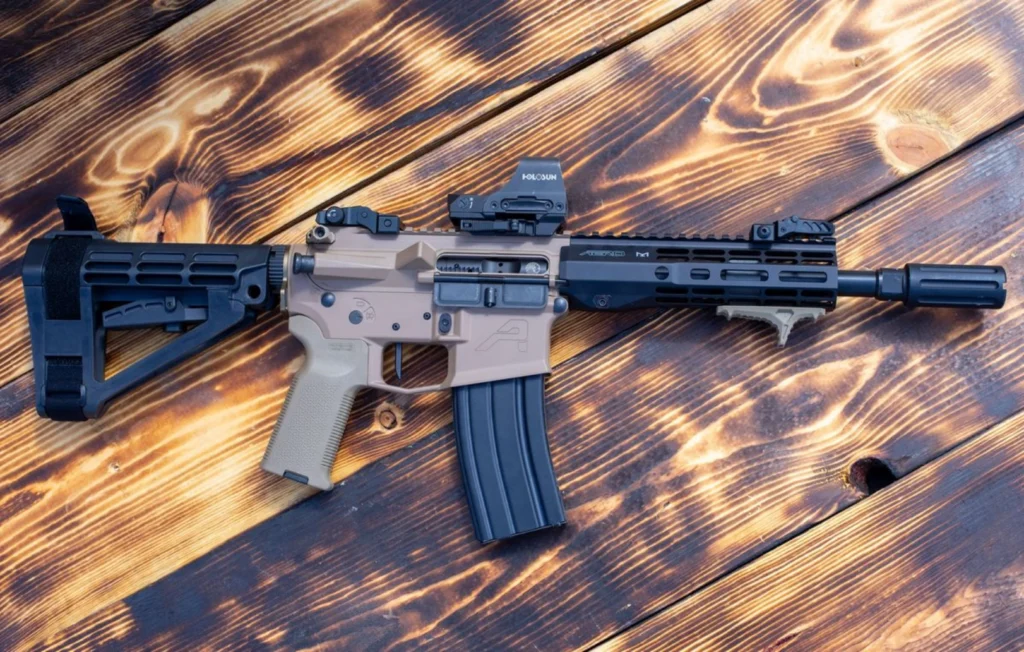
No. Aero Precision has confirmed it is working through a financial recapitalization, not a bankruptcy. There is no Chapter 7 or Chapter 11 case tied to the company, and no closure announcement has been made. An internal source confirmed the situation directly to The Truth About Guns, which has the most thorough public-records investigation available.
The operational picture is more complicated. Public court records show recent creditor actions, including a January 2026 case from US Bank and a separate collection case from a parts supplier. Multiple suppliers are reportedly on cash-up-front or 50% down terms because credit lines have been pulled.
The customer-facing result is what AR-15 parts buyers are seeing right now: empty inventory across uppers, lowers, charging handles, buffer tubes, and builder sets. As one forum builder put it, “Bummer. I’ve been searching for the M4E1 enhanced upper/handguard. Now I know why I can’t find it in stock anywhere.”

- Comprehensive Cleaning: Includes over 20 items including 100% cotton patches, bronze bore brush, and B.O.N.E. Tool for...
- Portable Convenience: Compact, lightweight case holds rifle cleaning tools for field or range use, ensuring easy...
- Breech-to-Muzzle Efficiency: 8" and 30" Memory-Flex cables allows for efficient and correct cleaning without...

Last update on 2026-09-23 / Affiliate links / Images from Amazon Product Advertising API
(As an Amazon Associate, we earn from qualifying purchases.)
How Does the Aero Recapitalization Affect AR-15 Parts Supply?
Aero Precision is one of the largest AR-15 manufacturers in the country, and the company also produces parts that ship under other brand labels. A supply disruption at Aero ripples across the broader AR-15 parts market, not just Aero-branded products.
Builders who lived through the 2020 to 2021 parts crunch remember 18-month lead times on basic components. The current Aero situation is not on that scale, but it arrived alongside a separate problem. Big Rock Sports, a major firearms distributor that supplied roughly 20,000 retailers, filed Chapter 7 bankruptcy in late January 2026 with more than $100 million in liabilities. That collapse adds pressure across the AR-15 parts ecosystem regardless of how the Aero recapitalization plays out.
This is a planning moment for AR-15 parts buyers, not a panic moment. The fundamentals of building or upgrading a rifle have not changed. The list of who you order from has.
Which AR-15 Parts Should You Buy Now vs. Substitute?
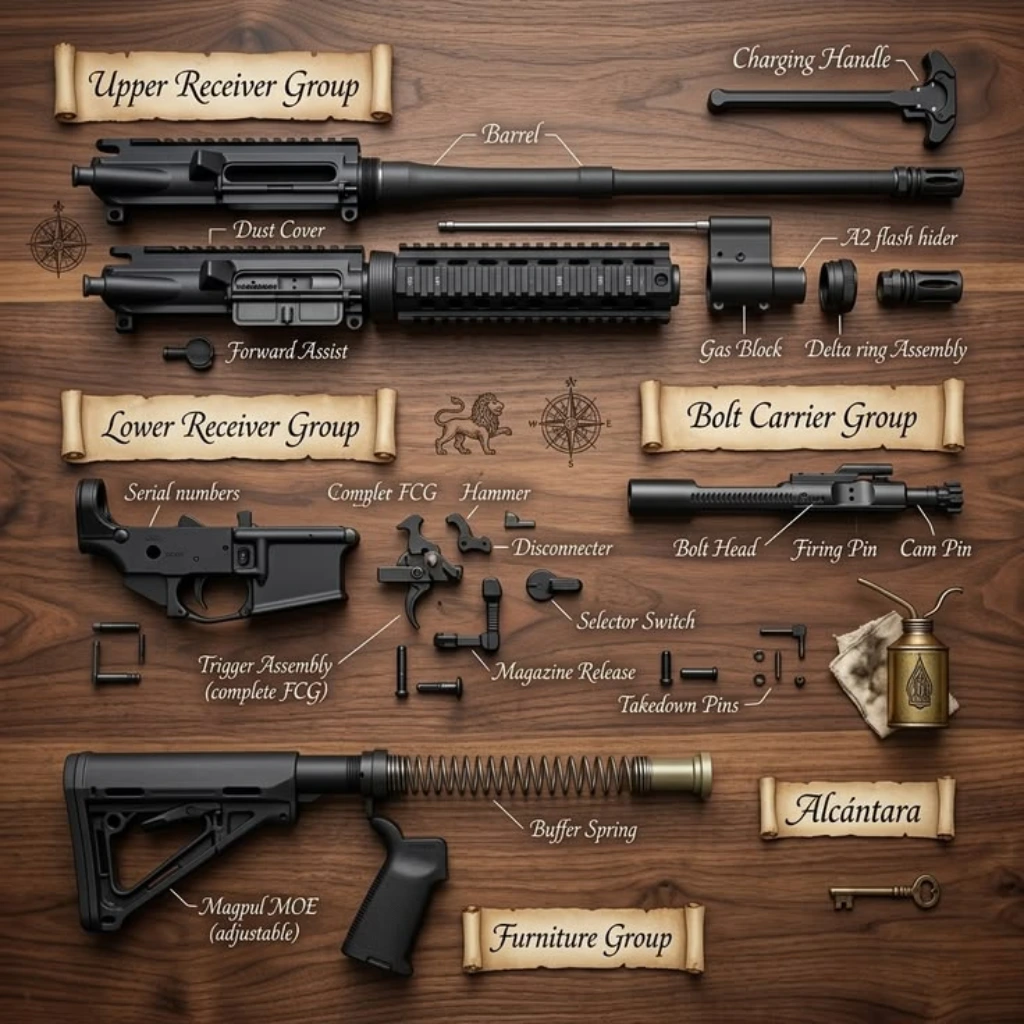
The answer depends on what the rifle is actually for. A defensive carbine and a range gun have different parts priorities, and the Aero situation makes that distinction more important than usual.
If your AR-15 is a defensive carbine (home defense, truck gun, or vehicle rifle), and you have already specced an Aero component into the build, secure it now while it is in stock. Aero’s mil-spec uppers, lowers, and bolt carrier groups remain solid choices, and clearance pricing means short-term value is real for buyers who can find what they need. The Aero Precision ATLAS upper at $179.99 is the highest-priority item to grab if it fits your build.
If your AR-15 is a range gun, training rifle, or recreational build, you have time. Comparable mid-tier AR-15 parts are available from multiple manufacturers at similar prices with shorter lead times. Substitute freely.
Priority order for stockpiling: bolt carrier group, then upper receiver, then barrel, then lower receiver. Small parts last. BCGs handle the highest mechanical stress and the tightest tolerance windows. Upper receivers depend on forging quality. Barrels depend on steel grade and lining. Lowers are the least mechanically demanding component for most use cases. Springs, detents, pins, and takedown hardware are commodity items available from dozens of sources.

- Designed to hold 15 magazines of 20 or 30 round 223/5.56 magazines in precut military grade foam padding; Ideal for easy...
- Made from high-quality, impact-resistant materials; Stackable design and triple padlock tabbed for security.
- Engineered with O-Ring seal to be water-resistant and dust proof for dry magazine storage-non-submersible.
Last update on 2026-09-23 / Affiliate links / Images from Amazon Product Advertising API
(As an Amazon Associate, we earn from qualifying purchases.)
What Are the Best Aero Precision Alternatives in 2026?
The AR-15 platform has more capable parts manufacturers today than at any point in its history. Several companies cover the same specs Aero does, often with longer track records on specific components.
Brownells BRN-16 upper receivers ($199) are direct substitutes with established mil-spec lineage. BCM bolt carrier groups ($139.99 at Primary Arms) actually exceed Aero’s spec on bolt steel and finish, making them a premium-tier alternative for builders who treat the BCG as the most critical component in the rifle.
Faxon Firearms is an independent OEM that has supplied private-label barrels to multiple companies, including some Aero-branded variants. Ballistic Advantage shares parent ownership with Aero but operates its own production line, so its barrels remain available even when Aero’s retail inventory is not. For budget builders, Palmetto State Armory completes uppers at $299 cover the recreational use case without compromising on safety-critical specs.
Short-term, expect demand pressure on Brownells, BCM, Faxon, and PSA to lift their pricing in the 5 to 15% range as buyers shift sources. Long-term AR-15 parts pricing depends on whether the recapitalization restores Aero supply within 12 months or redistributes market share to competitors over a longer window.
How Do You Verify a Replacement Part Meets Mil-Spec?
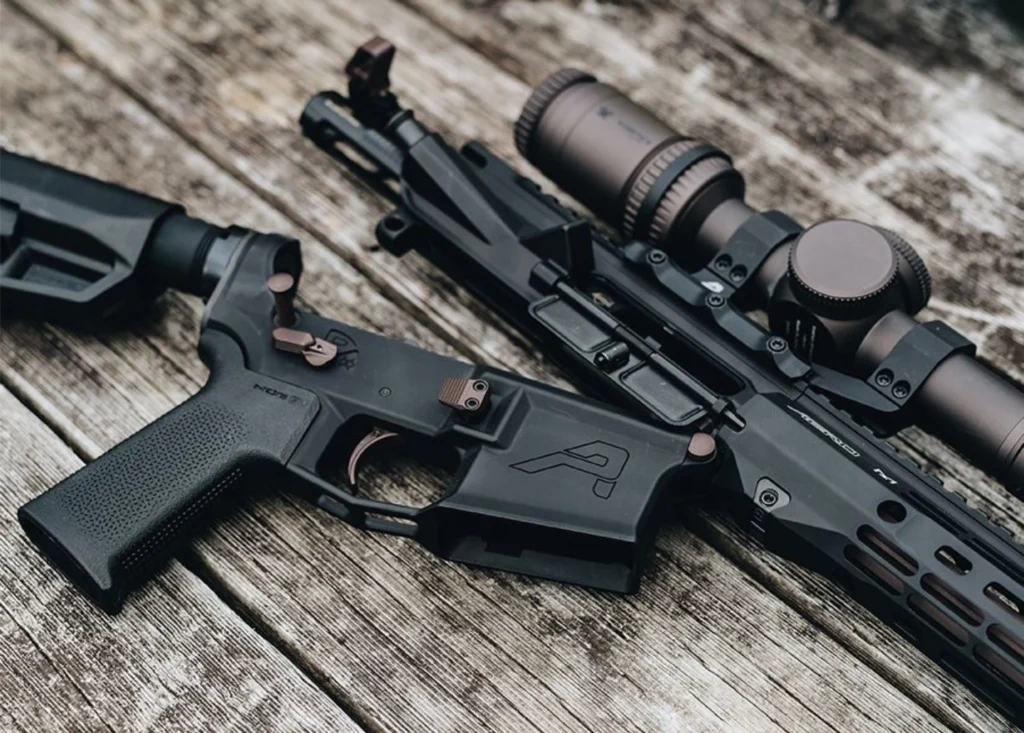
The phrase “mil-spec” carries weight only when tied to verifiable measurements. Marketing language is not enough. Before you swap an Aero component for an alternative, compare the candidate against the published spec sheet on four numbers.
Bolt steel grade matters first: Carpenter 158 or 9310 are the two mil-spec acceptable steels for AR-15 bolts. Barrel steel and lining matter second: 4150 chrome-moly vanadium with chrome lining or nitride finish is the durable defensive standard. Gas system length matters third: carbine, mid-length, and rifle-length systems each have specific compatible barrel lengths. Receiver forging spec matters fourth: 7075-T6 forged aluminum is the mil-spec floor for both upper and lower receivers.
Any reputable manufacturer publishes these numbers. If a candidate part does not list them, that is the answer to whether it qualifies.

- PRECISION ADJUSTMENT: Audible one click for every inch-pound adjustment eliminates guesswork when setting the driver to...
- INCLUDES: Premium storage case and set of 12 1/4’’ inch bits commonly used by leading brands of scope rings & bases...
- EASY to read scale window and visual, audible click feedback prevents damage from overtightening screws and eliminates...
Last update on 2026-09-23 / Affiliate links / Images from Amazon Product Advertising API
(As an Amazon Associate, we earn from qualifying purchases.)
Build Your AR-15 Parts Plan Around Role, Not Rumor
The path forward is straightforward. Decide what each rifle in your safe is for. Defensive carbines get top-tier components secured now while available. Range and training build substitutes freely from comparable manufacturers. Either way, confirm specifications before you commit, and stockpile only what the rifle’s role actually requires.
Calm planning beats panic buying every time.
Check this video from Colion Noir: $600 AR Might Be All You Actually Need
Frequently Asked Questions
-
Is Aero Precision going out of business in 2026?
No. Aero Precision has confirmed it is going through a recapitalization, not a bankruptcy. There is no Chapter 7 or Chapter 11 filing. However, public court records show creditor actions, supplier credit pressure, and widespread out-of-stock inventory, so AR-15 parts buyers should expect availability gaps in the short term.
-
What does recapitalization mean for AR-15 parts buyers?
Recapitalization is a financial restructuring of a company’s debt and equity balance. For AR-15 parts buyers, it means inventory disruption while the process plays out, but it does not mean the company is closing. Plan for delivery delays and intermittent stockouts on Aero-branded components over the next 6 to 12 months.
-
Should I buy AR-15 parts from Aero Precision now?
If your build is a defensive carbine and you have already specced an Aero component, secure it while available. If your build is recreational or training-focused, comparable mid-tier alternatives are available at similar prices with shorter lead times. Decide the rifle’s role first, then the parts plan follows from there.
-
What are the best AR-15 parts alternatives to Aero Precision?
Brownells BRN-16 uppers, BCM bolt carrier groups, Faxon barrels, and Ballistic Advantage components are the closest direct substitutes. Palmetto State Armory covers the budget tier. Each meets or exceeds Aero’s published specifications on the components they make. Verify any candidate against your spec sheet, not the brand name.
-
Will AR-15 parts prices go up because of the Aero Precision situation?
Short-term, Aero in-stock items will see clearance pricing. Medium-term, increased demand on Brownells, BCM, Faxon, and Palmetto State Armory may lift their pricing in the 5 to 15% range. Long-term pricing depends on whether the recapitalization succeeds and supply normalizes within the next year.
-
Which AR-15 parts should I prioritize stockpiling right now?
Bolt carrier groups first, because they handle the highest mechanical stress and have the tightest tolerance windows. Upper receivers second, then barrels, then lower receivers. Small parts like springs, detents, and pins are commodity items available from many sources. Do not overstockpile what is easily replaced.
-
How do I know if a new AR-15 parts manufacturer is comparable to Aero Precision?
Compare against published specifications: bolt steel grade (Carpenter 158 or 9310), barrel steel and lining type, gas system length, and receiver forging spec. Verifiable measurements matter more than marketing language. The phrase “mil-spec” is only meaningful when tied to documented numbers and testing.
-
Does the Aero Precision recapitalization affect rifles I already own?
No. Your existing rifle’s reliability, accuracy, and warranty status do not change because the manufacturer is restructuring. Aero is still operating, still answering customer service, and still standing behind shipped products. Service and replacement parts may take longer, so plan on routine maintenance schedules.
-
What is the difference between mil-spec and commercial AR-15 parts?
Mil-spec components meet specific U.S. military performance standards on materials, dimensions, and testing. Commercial parts may meet some or all of those standards without the formal certification. For defensive builds, mil-spec is the floor. For range and training builds, well-made commercial parts perform identically in most measurable categories.
-
How long will the Aero Precision parts shortage last?
The honest answer: no one knows for certain. A successful recapitalization could restore inventory within 6 to 12 months. An unsuccessful outcome would redistribute market share to other manufacturers over 12 to 24 months. Either way, builders who diversify their supply chain now reduce their exposure to whichever outcome arrives.
Why did that setup get your vote? We want to hear the technical specs.👇