
Bottom Line: Carbines & BCGs
- The 2026 refresh is about features, not new calibers: factory-enhanced Carbines & BCGs, recoil systems, and suppressor compatibility.
- The biggest gains come from reliability and consistency: predictable cycling, cleaner operation, and easier maintenance.
- “Next-gen” is a system, not a single part: gas behavior, recoil impulse, and BCG quality work together.
- Smart buyers prioritize proven QC, testing transparency, and compatibility over marketing buzzwords.
- Best move: choose upgrades that match your use case, then validate with safe, structured range time.
A quick safety and legal note: Always follow the four rules of firearm safety, your firearm manufacturer’s manual, and all federal/state/local laws. Suppressor ownership and use are regulated under the National Firearms Act (NFA). When in doubt, verify requirements before purchasing or using any regulated item.
(Some links may be affiliate links. If you buy through them, we may earn a commission at no extra cost to you. We only recommend gear we believe is worth your consideration.)
Why are “Next-Gen” carbines trending in 2026?
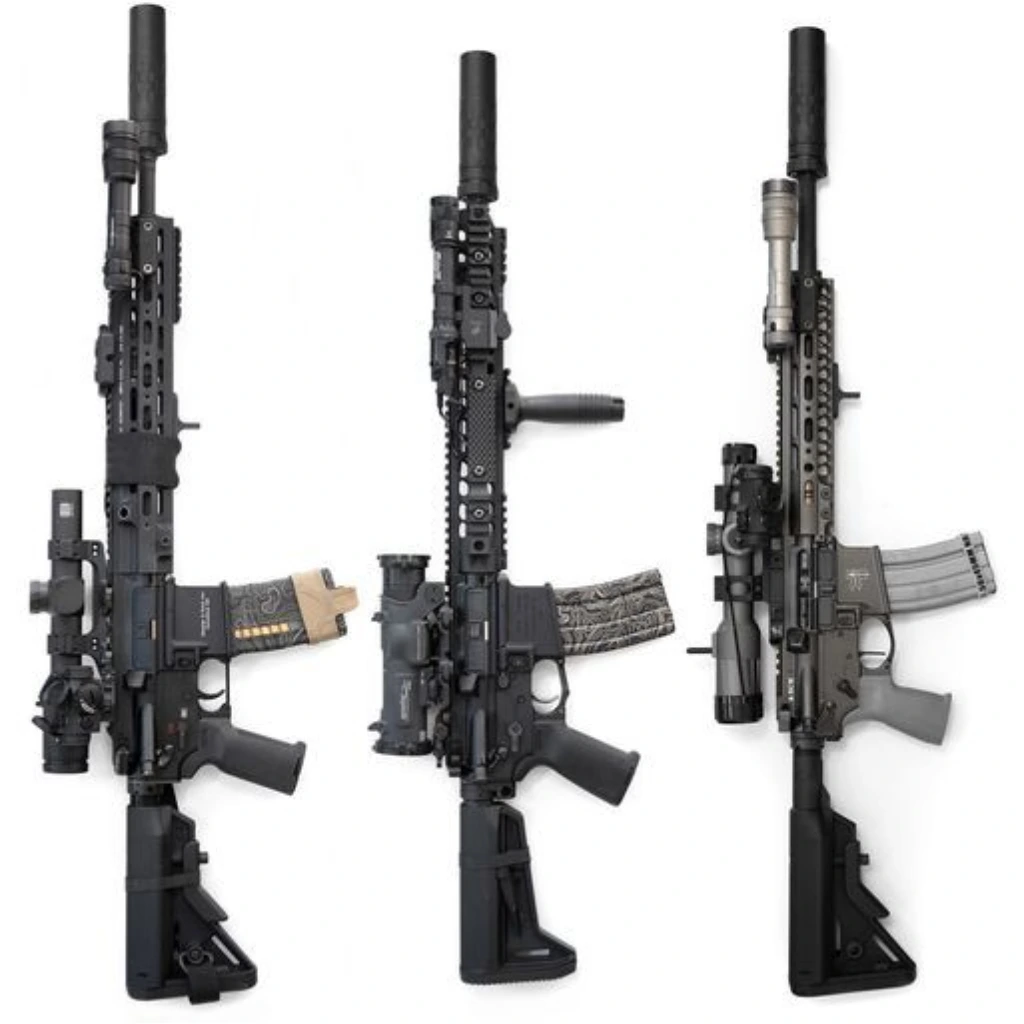
The firearms industry is in a hardware refresh cycle, and the headline isn’t caliber hype. It’s refinement. Manufacturers are rolling out updated rifles and carbines with features that used to be “aftermarket only,” especially higher-quality bolt carrier groups (BCGs), recoil-mitigation parts, and better suppressor readiness out of the box.
This trend also reflects a more knowledgeable audience. Many shooters have already owned a basic AR-15. Now they want professional-grade performance: smoother recoil, predictable ejection, and fewer annoyances (like extra gas and grime) when running suppressed. In other words, the market is maturing from hobbyist curiosity into “serious practitioner” expectations, exactly where Carbines & BCGs become a buying decision, not just a buzz phrase.

2026 “next-gen” interest is driven by factory upgrades and a prosumer audience that wants tuned, reliable systems, especially Carbines & BCGs that run clean and consistent
What actually makes a carbine feel “Next-Gen” beyond the spec sheet?
A rifle can look advanced on paper and still feel ordinary on the range. The “next-gen” experience is usually about how the system behaves shot to shot—especially during longer strings or higher round counts.
Here’s what shooters commonly notice first:
- Smoother recoil impulse: Less “snap” and less disruption to your sight picture.
- More consistent cycling: Ejection patterns and reliability feel predictable.
- Less drama when suppressed: Not perfect, but noticeably more comfortable and manageable.
- Maintenance feels simpler: Fouling still happens, but cleanup and function checks are less of a chore.
The biggest mistake is assuming any single premium part guarantees those outcomes. A good BCG matters, but so does the gas behavior and recoil system. The best Carbines & BCGs pair quality parts with compatible design choices.

- High Fidelity Concert Earplugs for Music Lovers – Protect your hearing at concerts, music festivals, raves, clubs, and...
- Advanced Acoustic Filters for Clear Sound – Unlike foam earplugs, these High Fidelity Earplugs reduce volume evenly...
- Comfortable Secure Fit for Long Wear – Includes two interchangeable shell sizes (standard and small) for a custom...
Last update on 2026-10-09 / Affiliate links / Images from Amazon Product Advertising API
Prosumer checklist: what to pay attention to in the first 200 rounds
- Any failures to feed/extract/eject?
- Is ejection consistent, or does it look erratic?
- Does the action feel “spiky” or smooth?
- Is maintenance straightforward and repeatable?
“Next-gen” is a feel you can measure: smooth recoil, consistent cycling, and reduced hassle, especially when Carbines & BCGs are built as a system.
What’s new in bolt carrier groups (BCGs) for 2026 and why should you care?
If the AR-pattern rifle is a system, the BCG is the engine. It helps unlock the action, extract and eject the spent case, feed the next round, and lock back into battery. When the BCG is inconsistent, everything downstream gets messy.
The 2026 shift is that more rifles are shipping with factory-upgraded BCGs and bolt assemblies, aiming for:
- Better consistency under heat and fouling
- Improved extraction and ejection reliability
- Easier cleaning and longer service life (in practical terms)
Related: Purchasing an AR-15
What to compare in a BCG upgrade (without getting lost in jargon)
Below are buyer-friendly criteria that don’t require gunsmithing knowledge:
| What to check | Why it matters | What “good” looks like (plain language) |
| Reputable materials + QC/testing claims | Reduces surprise failures | Use of C158 or 9310 steel; HPT/MPI tested to 20,000+ round service life. |
| Gas key fit and staking quality | Helps reliability and prevents loosening | Solid, uniform staking; no sloppy movement |
| Extractor/ejector consistency | Drives predictable cycling | Reliable function across ammo types |
| Coating/finish | Helps cleaning and friction | Helps with cleaning and friction |
Coatings are worth mentioning because they’re popular in Carbines & BCGs upgrades. Just keep expectations realistic: coatings can make cleaning easier and reduce friction, but they can’t fix poor machining or weak quality control.
BCG upgrades matter because they influence reliability, consistency, and maintenance, key reasons buyers are focusing on Carbines & BCGs in 2026
Which recoil-mitigation upgrades are worth it and which are mostly marketing?
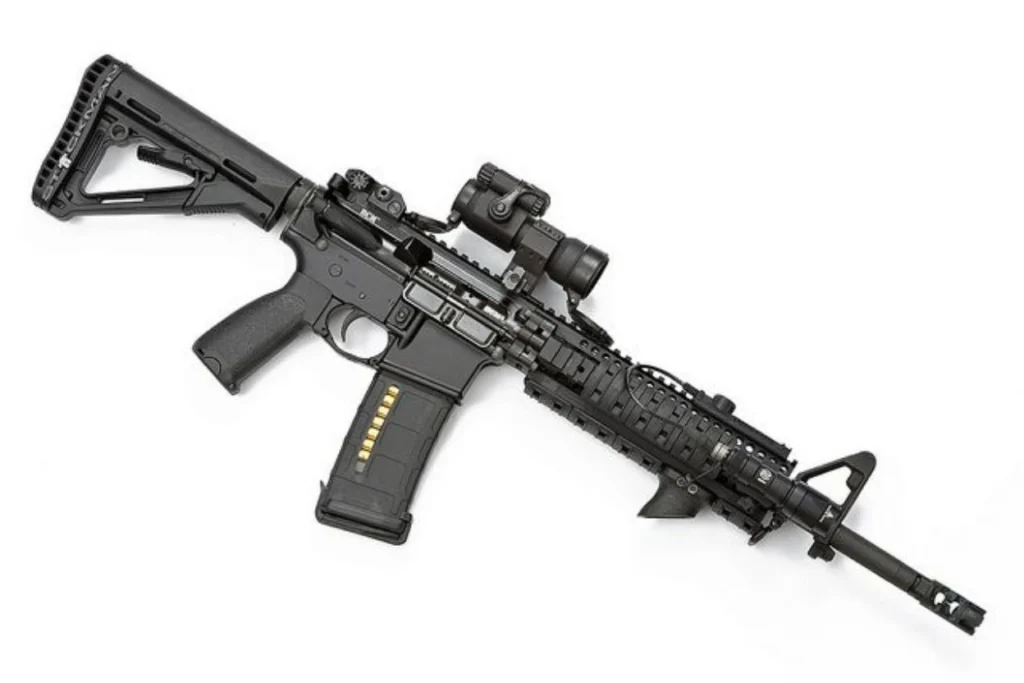
“Recoil mitigation” in a carbine usually means a smoother cycling impulse and better control, not recoil elimination. The most visible 2026 trend is the move toward upgraded buffer systems, including hydraulic options, along with factory tuning intended to keep the gun flatter and more predictable.

- Versatile Storage: Includes one standard-sized box. Perfect for .30 caliber, 9mm, 5.56 ammunition, and more. Great for...
Last update on 2026-10-09 / Affiliate links / Images from Amazon Product Advertising API
High-level pros and cons (no tinkering required)
- Hydraulic buffers
- Pros: Can feel smoother; can reduce bounce and harshness.
- Cons: Not always necessary; results vary by setup; adds complexity.
- Traditional buffers (quality, proven setups)
- Pros: Simple, durable, widely understood, and easy to maintain.
- Cons: May feel sharper depending on the rifle’s gas behavior.
Also, remember: recoil “feel” is heavily influenced by how the rifle is gassed and how you grip and manage the gun. The smartest approach is to view recoil parts as part of the overall Carbines & BCGs package, not a standalone fix.
Recoil upgrades can be real, but only when they complement the whole system, especially gas behavior and Carbines & BCGs reliability.
What does “suppressor-ready” really mean out of the box?
“Suppressor-ready” gets thrown around a lot. In practical terms, it usually means the rifle includes features intended to handle suppressed backpressure more comfortably and consistently. That can include adjustability, gas-management design choices, and user-friendly controls.
What “suppressor-ready” should imply (from a buyer’s perspective):
- The rifle is designed to be more predictable, suppressed, and unsuppressed
- It aims to reduce excess gas blowback discomfort
- It supports more consistent cycling with common ammo types
Important: Suppressors are regulated. Follow all legal requirements and manufacturer guidance, and confirm what applies where you live.
If you’re shopping for Carbines & BCGs with suppressor use in mind, ask one simple question: Does this setup have a track record of running comfortably and consistently when suppressed, without requiring a pile of extra changes?
“Suppressor-ready” should mean predictable function and improved comfort. One reason Carbines & BCGs upgrades are front-and-center in 2026.
How do you pick the right next-gen carbine and BCG combo for your use case?
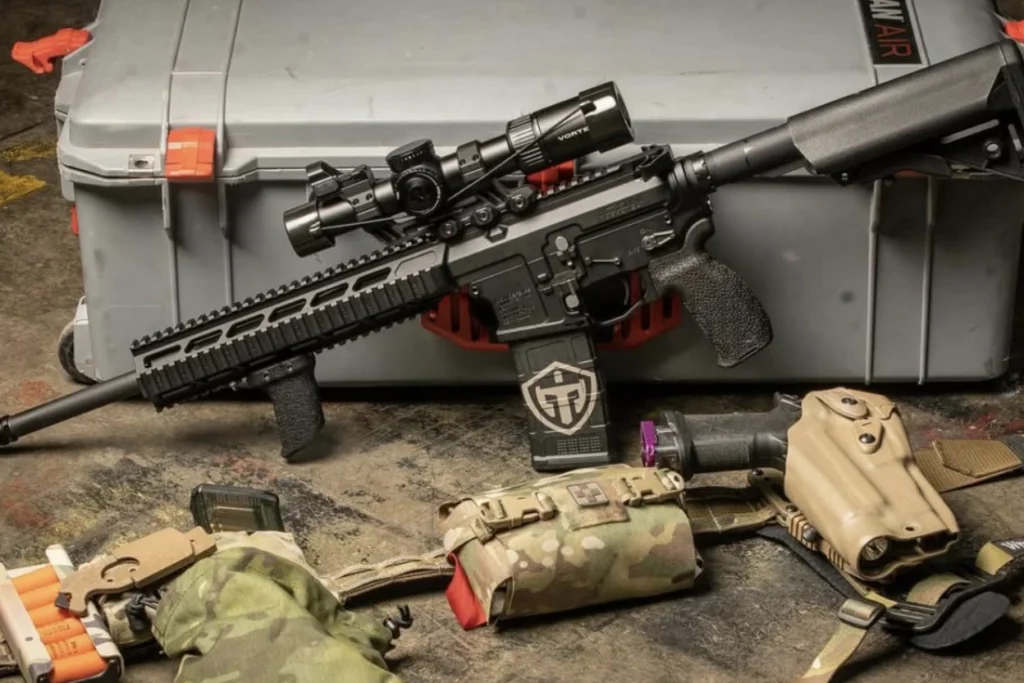
Choosing “best” is easier when you choose “best for what.” Here are the most common lanes:
Home defense
- Priorities: reliability, simplicity, light/optic compatibility, repeatable handling
- Avoid: stacking multiple experimental parts at once
A dependable, well-supported platform wins. Carbines & BCGs matter here because you want boring reliability.
Training and high round count
- Priorities: heat tolerance, consistent cycling, manageable cleaning, long-term durability
- Look for: transparent testing notes and a strong reputation for parts quality
Competition and performance shooting
- Priorities: flat shooting, quick sight return, consistent ejection, comfortable recoil impulse
- Expect: tuning features may matter more, but the foundation still has to be reliable
General-purpose “do-it-all”
- Priorities: balanced features, proven parts, easy maintenance. This is where the “prosumer” approach shines: buy a system that’s already cohesive rather than chasing upgrades randomly. For most shooters, the winning move is selecting proven Carbines & BCGs with a clear performance intent and reliable track record.
Pick based on use case, then buy cohesive Carbines & BCGs that prioritize predictable function over flashy parts.
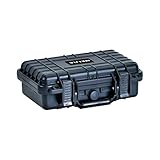
- ▶Outside Dimension: Length 11.65inch Width 8.35Inch Height 3.78 inches.Inside Dimension: Length 10.54inches Width...
- ▶ SECURE CLOSURE & PRESSURE RELEASE: Equipped with sturdy, double-throw latches for a reliable, airtight seal and a...
- ▶ COMPACT WITH SOFT HANDLE DESIGN: Despite its robust protection, the case is engineered to be surprisingly...
Last update on 2026-10-09 / Affiliate links / Images from Amazon Product Advertising API
What should you look for in 2026 reviews and comparisons before you buy?
The best reviews don’t just list specs. They tell you how the gun ran and under what conditions.
Look for:
- Round count and ammo variety (not vague “ran fine” claims)
- Notes on heat and fouling behavior during longer sessions
- Clear separation between stock configuration and upgraded parts
- Suppressed/unsuppressed performance notes (when applicable and lawful)
If a review can’t explain what’s improved and why it matters, it’s not helping you pick Carbines & BCGs wisely.
Trust reviews that show testing context and honest limitations. The only way to judge Carbines & BCGs beyond marketing.
What’s the smartest way to approach Carbines & BCGs in 2026?
The 2026 “next-gen” wave is less about reinventing the rifle and more about raising the baseline. Better factory BCGs, smarter recoil systems, and more suppressor-friendly behavior are all meaningful when they deliver consistent function and make ownership easier.
Start with fundamentals: proven quality control, reputable parts, and a system that matches your use case. Then, validate with safe range time and routine maintenance. The best Carbines & BCGs are the ones you can trust to run predictably, session after session.
Key Takeaways
- “Next-gen” means refinement: reliability, recoil feel, and suppressor compatibility.
- A premium BCG helps most when QC and consistency are built into it.
- System balance beats random upgrades every time.
- Credible reviews and real test context matter more than hype.
Ready to upgrade? Start with these next steps
- Browse our “Top Rated Rifles & Carbines” hub for 2026-focused reviews and comparisons.
- Check our “Upgrades & Modifications” section for BCG and recoil-mitigation roundups and buyer guides.
- Subscribe to the newsletter for monthly “prosumer picks” and testing-based shortlists.
- And as always: confirm what’s legal where you live, and follow safe handling, storage, and training best practices when evaluating any new setup.
Check out this video from TFB TV: FN Reveals the Next-Gen 16S and 17S
FAQs
-
What is a BCG and what does it do?
A bolt carrier group (BCG) is the moving assembly that helps an AR-pattern rifle cycle: it unlocks, extracts and ejects the spent case, loads a new round, and locks back into battery. A consistent BCG improves reliability, especially with heat, fouling, and higher round counts.
-
Are upgraded BCGs worth the money in 2026?
They can be, if the upgrade reflects better quality control, materials, and testing, not just a fancy coating. The value shows up as more consistent cycling and fewer reliability surprises. For many buyers, spending more on the BCG is sensible because it’s central to function.
-
Do BCG coatings really make a rifle more reliable?
Coatings can help with friction and cleaning, which can support consistent operation. But coatings do not fix poor machining, weak staking, or inconsistent parts. Treat coatings as a convenience upgrade, not a reliability guarantee. Reliability still depends on correct dimensions and quality control.
-
What does “suppressor-ready” actually mean?
It typically means the rifle includes features intended to manage suppressed backpressure more comfortably and consistently. That can involve adjustability, gas-management design, and user-friendly controls. It should not be read as a promise that every suppressor and ammo combination will run perfectly without validation.
-
Will a suppressor change how my carbine runs?
Often, yes. Suppressors can increase backpressure and fouling, which may change cycling and blowback feel. Many modern setups aim to reduce these downsides with more suppressor-friendly design choices. Always follow laws and manufacturer guidance, and confirm safe operation under your conditions.
-
Are hydraulic buffers a must-have upgrade?
Not for most people. Hydraulic buffers can smooth recoil impulse and reduce harshness, but results vary by rifle setup and ammo. They’re best when they improve control without hurting reliability. If your rifle already runs smoothly and consistently, a proven traditional buffer may be enough.
-
Should I buy a new “next-gen” carbine or just upgrade my current one?
If your current rifle is reliable, selective upgrades can be cost-effective. If you want an integrated set of features with one warranty and less guesswork, a complete rifle can be simpler. Either way, prioritize proven components and avoid stacking multiple changes all at once.
-
What’s the biggest mistake people make when upgrading BCGs?
The biggest mistake is chasing hype instead of function. Buyers sometimes prioritize finishes or branding over proven quality control and consistent performance. Another common mistake is changing too many variables at once, making it hard to tell what improved (or caused) reliability or cycling problems.
-
How can I spot a credible review of carbines and BCG upgrades?
Credible reviews include round counts, ammo variety, and clear notes on what’s stock versus upgraded. They discuss reliability trends, maintenance observations, and any changes in behavior during longer sessions. If a review only repeats marketing language or avoids testing context, it’s less useful.
-
What upgrades should I prioritize first for a “next-gen” feel?
Start with reliability and consistency: a proven BCG, a dependable recoil setup, and a platform known for predictable cycling. Then consider suppressor-friendly features if you plan to shoot suppressed. The goal is a cohesive system, not a pile of parts that may fight each other.
Caliber wars aside, why that one? Drop your take.👇