
What Matters Most
The best Summer Carry Holsters manage heat and moisture while maintaining concealment. Key options include Kydex IWB for sweat resistance, pocket carry for shorts, and structured belly bands for athletic wear. Prioritize slim profiles, full trigger coverage, and a rigid belt to prevent printing under light summer fabrics.
⚠️The Summer Safety Standard: Safety doesn’t take a vacation when the temperature rises. Regardless of your outfit, your holster must meet these non-negotiables:
- Full Trigger Coverage: No gaps should allow foreign objects to reach the trigger.
- Consistent Retention: Your firearm must stay secure during bending, running, or sitting.
- Stable Foundation: Avoid “soft” holsters that collapse, making re-holstering dangerous.
Related: Summer Gun Care: How to Protect Your Firearms from Heat and Humidity
How Do You Choose the Best Summer Carry Holsters for Hot Weather and Sweat?
Summer is when concealed carry feels the hardest: lighter shirts, shorter hems, and more sweat. The good news is you don’t need a whole new wardrobe or a drawer of gear. You need Summer Carry Holsters that match hot-weather clothing and handle moisture without shifting, pinching, or printing.
This guide covers what works in shorts and T-shirts, what to look for in materials and features, and a simple routine to protect both your holster and your firearm.
What makes a holster work in hot weather?
Hot weather creates three problems: friction, printing, and moisture. Thin fabrics show outlines sooner. Bare skin contact makes any sharp edge feel worse. And sweat can break down materials and corrode metal over time.
The baseline requirements don’t change in summer:
- Full trigger coverage (non-negotiable)
- Consistent retention (the gun stays put)
- Stable positioning (no sliding, rolling, or bouncing)
- A repeatable draw (same grip, same place, every time)
“Gray man” carries matters more in summer, too. The best setup is the one that blends in and doesn’t force you to dress “tactical” just to make it work.
The best Summer Carry Holsters stay stable, cover the trigger, and minimize sweat and printing under lighter clothes.
Which holster materials hold up best against sweat?
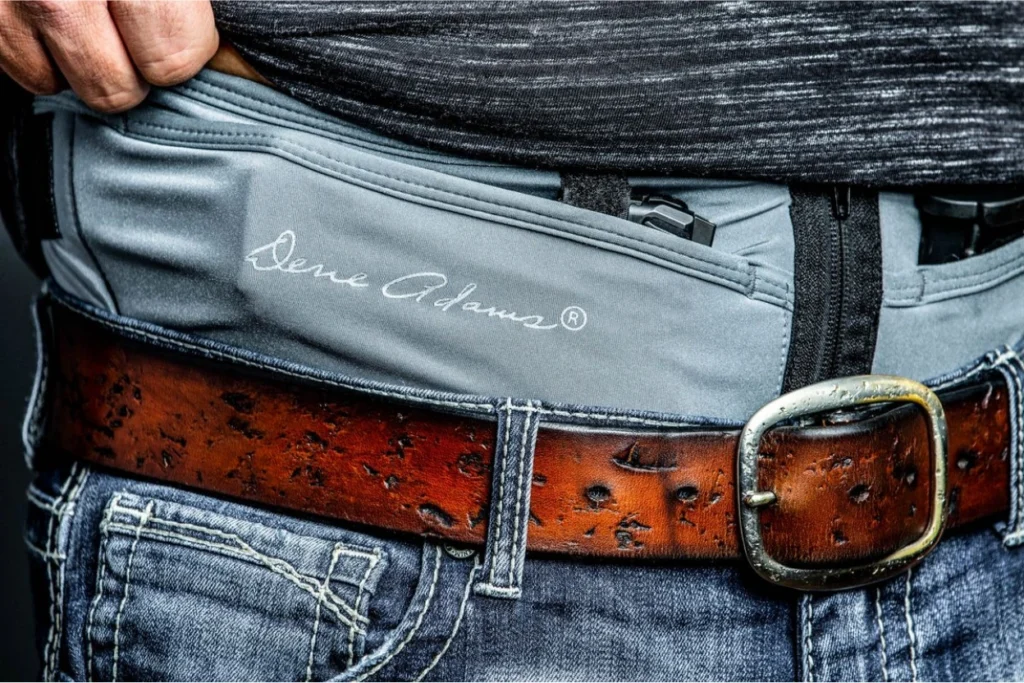
Sweat is salty, and salt is tough on gear. If you carry daily, material choice becomes a comfort issue and a maintenance issue.
Kydex / molded polymer
- Pros: doesn’t absorb sweat, easy to wipe down, retention stays consistent.
- Watch-outs: can feel hot or abrasive against skin without a sweat guard or rounded edges.
Hybrid holsters (shell + backer)
- Pros: comfort improves when the weight is spread out.
- Watch-outs: some backers trap heat and hold moisture longer; bulk can increase printing.
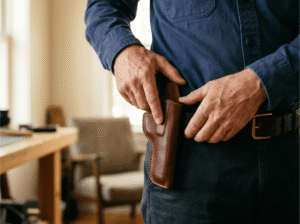
Leather
- Pros: often comfortable and flexible once broken in.
- Watch-outs: absorbs sweat, can soften, and may change fit/retention over time.
Moisture management isn’t just “comfort.” Even modern materials can still suffer corrosion issues if moisture sits against metal. SAAMI’s guidance on moisture exposure emphasizes limiting corrosion damage and addressing moisture promptly. (SAAMI)
For Summer Carry Holsters, Kydex/polymer is easiest to maintain. Hybrids can be very comfortable if the backing breathes. Leather can work, but it demands more care in sweaty months.
What are the best summer carry positions for shorts and T-shirts?
The “best” carry position is the one you can wear all day without adjusting in public. In summer, that usually means less bulk, better concealment under short cover garments, and fewer hot spots.
Is the appendix IWB (AIWB) good for summer carry?
AIWB is popular in hot weather because a short T-shirt can still cover the gun well, and access is fast.
- Best for: slim holsters, quick access, standing/walking.
- Watch-outs: comfort varies by body type and seated posture; requires a quality holster and good belt setup.
Does a strong-side IWB hide better in summer?
Strong-side IWB (around 3–4 o’clock for right-handed shooters) is familiar and can be comfortable in daily life.
- Best for: all-day wear, driving comfort, slightly longer shirts.
- Watch-outs: bending can print; wider holsters and thick clips can show under thin fabrics.
When is pocket carry a smart summer option?
Pocket carry can be an excellent “shorts and tee” solution when done correctly.
- Best for: smaller firearms, quick errands, minimal wardrobe changes.
- Watch-outs: use a dedicated pocket holster (trigger covered, consistent orientation) and keep the pocket free of other items.
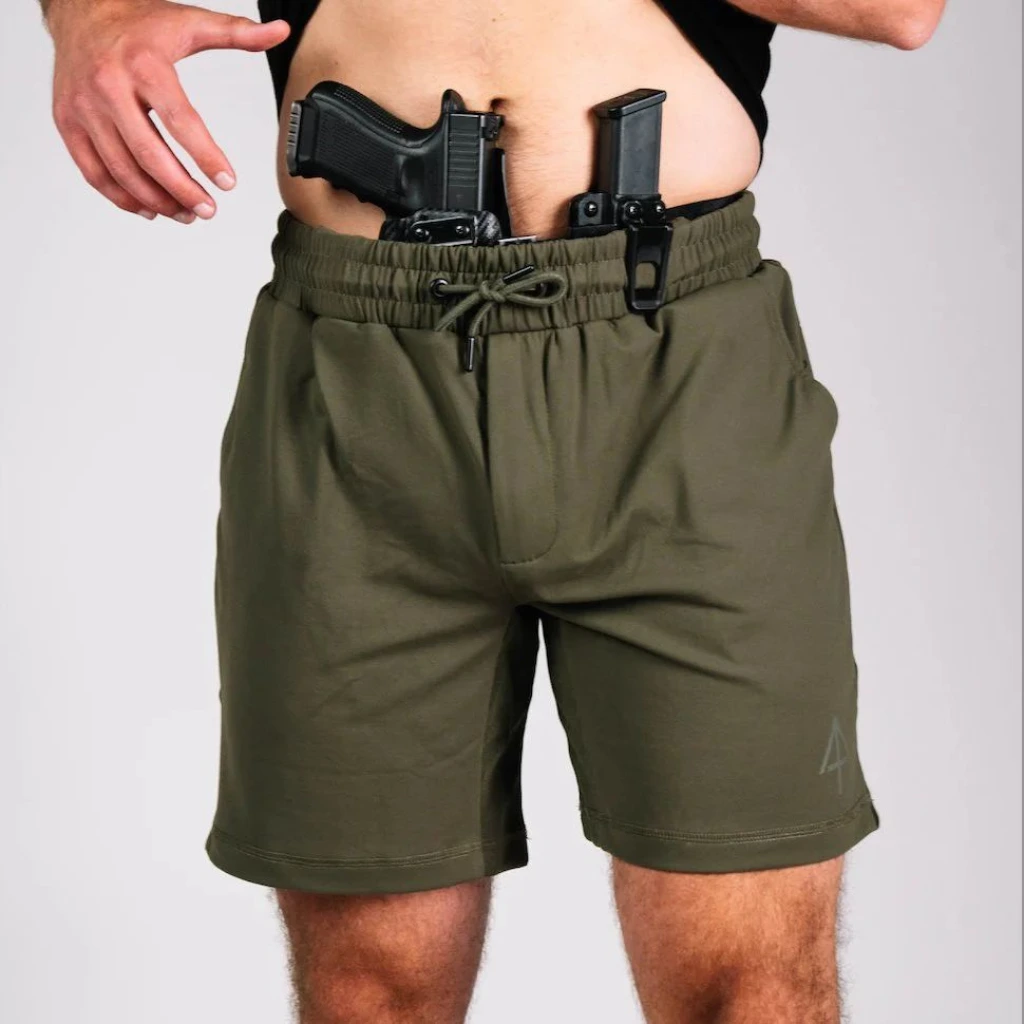
Are belly bands and athletic-wear holsters actually safe?
They can be, if they’re structured and keep the holster stable with true trigger coverage.
- Best for: gym shorts, leggings, beltless clothing.
- Watch-outs: heat retention and sweat saturation; shifting during movement if the system isn’t designed to support weight.
The most reliable Summer Carry Holsters match your clothing and stay stable through movement, sitting, and daily tasks.
How do you stop printing in summer outfits?
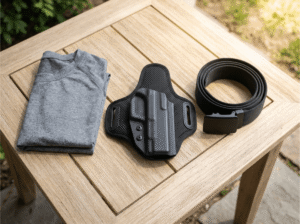
Even in the heat, never skip a stiff CCW belt; it provides the leverage needed to keep the grip from tipping outward and printing through thin fabrics
Try these steps:
- Go slimmer first: a thinner holster profile often beats “more padding.”
- Use belt support (even in summer): a stiff belt keeps the grip from tipping outward.
- Adjust ride height and cant: small angle changes can pull the grip closer to your body.
- Choose smarter shirts: patterns and slightly heavier fabrics hide outlines better than thin, tight solids.
- Do a movement test: reach overhead, bend, squat, sit in the car, and check in a mirror.
To make Summer Carry Holsters disappear, reduce bulk, tune your adjustment, and build a stable foundation with the right belt/support.
What features should you look for in Summer Carry Holsters?
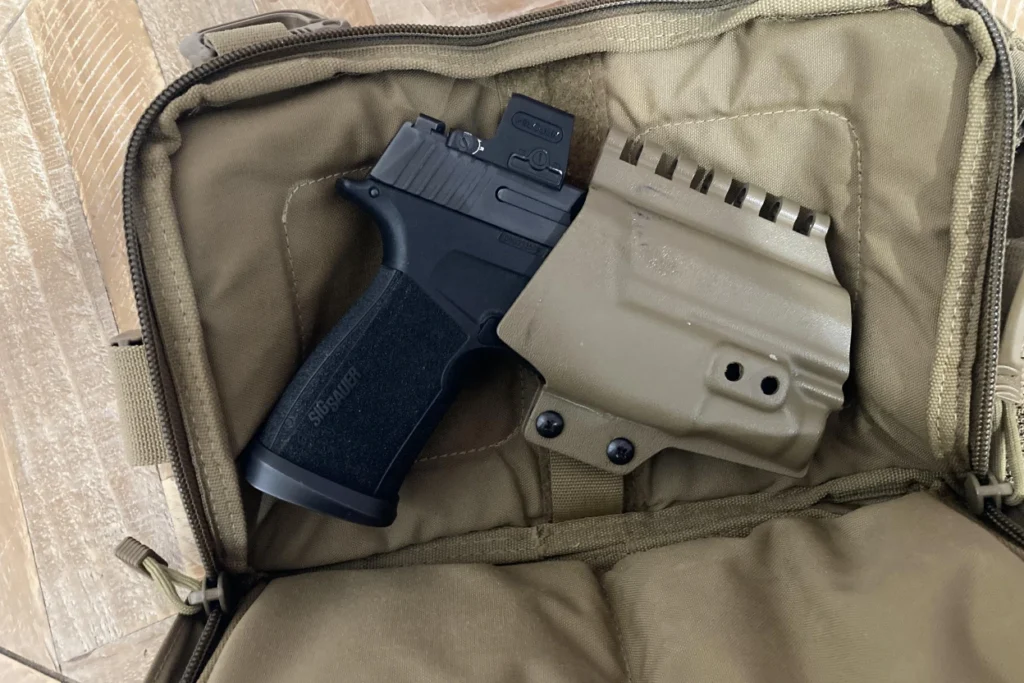
Here’s a practical checklist you can use when comparing options:
- Full trigger-guard coverage (no gaps)
- Adjustable retention (you should feel secure, not “loose”)
- Sweat guard (a barrier between skin and firearm)
- Rounded edges/comfort contouring (hot spots get worse in heat)
- Low-profile hardware (less bulk, less printing)
- Reliable clips/attachments that don’t shift during movement
- Easy cleaning (especially if you sweat daily)
- A real return policy (summer carry is personal; testing matters)
If you’re buying through affiliate links, keep it transparent: comfort reviews are subjective, and your body type/clothing choices should guide the final pick.
Great Summer Carry Holsters are safe, stable, adjustable, and easy to clean without extra bulk.
How do you protect your holster and gun from sweat and corrosion?
Because humidity can cause metal to ‘sweat,’ a daily wipe-down is your first line of defense in an effective firearm corrosion prevention routine.
A simple routine:
- After carry: wipe down the firearm’s exterior and the holster’s body-contact areas.
- Weekly: check screws and clips; tighten as needed (use thread locker only if recommended by the holster maker).
- As needed: clean with mild soap/water (for Kydex and many synthetics) and fully air dry.
- Don’t store damp gear: let everything dry before it goes into a safe or drawer.
A practical reminder: metal can “sweat” with humidity and temperature changes, and a wipe-down helps prevent rust. (MSU Extension)
Summer Carry Holsters last longer when you wipe, dry, and inspect them regularly, especially during humid months.
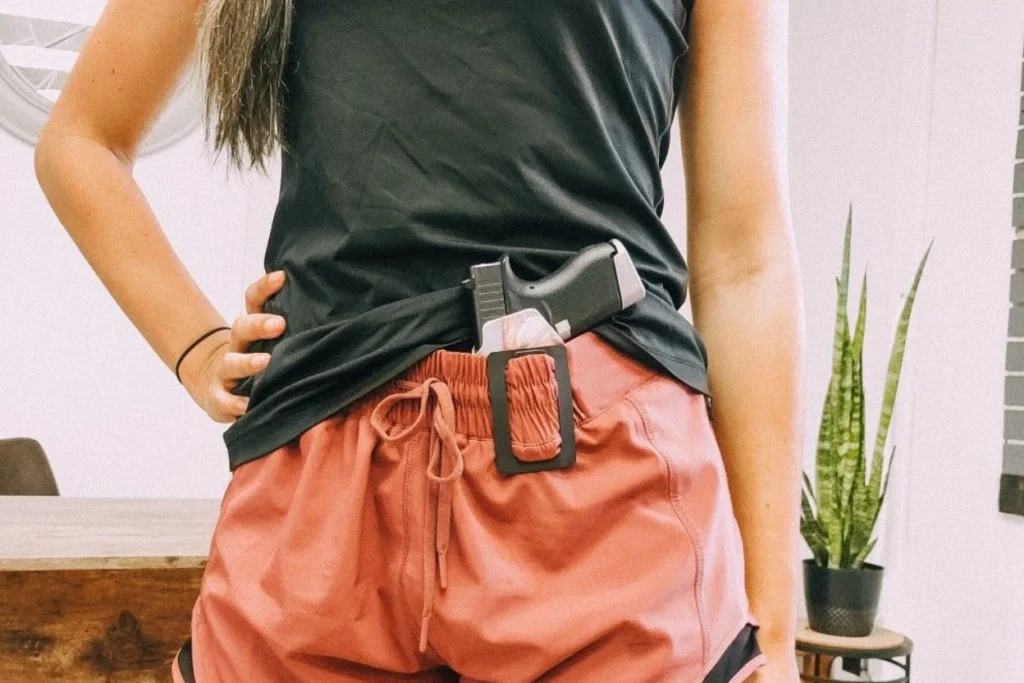
What are good summer carry options for women, especially for athletic wear?
Women often have one big challenge: less belt structure in common summer outfits. The solution is to choose systems designed for athletic wear instead of forcing a belt-holster combo that doesn’t fit.
Good options include:
- Structured belly bands built to support weight and maintain trigger protection
- Concealment leggings/shorts designed for carry
- Low-profile IWB options paired with supportive belt solutions when clothing allows
The standard stays the same: stable placement, trigger coverage, and a draw you can repeat safely.
The best Summer Carry Holsters for athletic wear prioritize structure and stability, not “soft and stretchy” alone.
Final thoughts on Summer Carry Holsters
Hot weather doesn’t require you to compromise on safety or concealment. It just demands smarter choices: sweat-resistant materials, a stable carry position, and a setup that disappears under lighter clothing. Most people can solve summer carry by going slimmer, adjusting their holster correctly, and adopting a quick wipe-down routine.
If you want consistent carry from April through August, pick Summer Carry Holsters that you’ll actually wear all day.
Get your summer setup dialed in
Don’t wait for a heatwave to find out your gear isn’t up to the task. Take these three steps to ensure your setup is safe and comfortable:
- Perform a Movement Test: Put on your thinnest summer shirt and reach overhead, bend, squat, and sit in your car to check for “printing” or shifting.
- Run a 30-Second Safety Audit: Ensure your current holster provides full trigger-guard coverage with no gaps and maintains consistent retention so the gun stays put during activity.
- Start Your Maintenance Routine: If you’ve been carrying in the heat, do a quick wipe-down of the firearm’s exterior and the holster’s body-contact areas to prevent salt and moisture damage.
Check out this video from Jeremy Siers on Adapting Your Everyday Carry To The HEAT!
Note on carry culture and scale: Estimates put U.S. concealed-carry permit holders around 21–22 million in recent years, with permitless-carry laws affecting totals. (rand.org)
FAQs
What are the best Summer Carry Holsters for hot weather?
The best Summer Carry Holsters are slim, stable, and sweat-resistant. Many people prefer Kydex IWB for easy cleaning and consistent retention, while some choose breathable hybrids for comfort. The right answer depends on clothing and body type, but full trigger coverage and consistent positioning matter most.
Is leather a bad choice for summer concealed carry?
Leather isn’t automatically “bad,” but it can absorb sweat and stay damp longer, which affects comfort and can impact fit over time. If you carry leather in summer, rotate it so it can dry fully, inspect retention often, and keep up with cleaning and conditioning.
How do I carry in gym shorts without a belt?
Beltless carry works best with structured systems designed to support weight and keep the holster stable during movement. Choose options that provide full trigger coverage and don’t shift when you run, bend, or sit. Avoid loose “one-size” setups that slide or bounce.
What’s the most comfortable carry position in summer?
Comfort varies, but appendix IWB and strong-side IWB are common hot-weather choices because they conceal well under shorter shirts when the holster is slim and adjusted properly. Pocket carry can be very comfortable for smaller firearms. The best position is the one you can wear all day consistently.
How do I reduce printing under a thin T-shirt?
Start with a lower-bulk holster and a supportive belt so the grip doesn’t tip outward. Adjust ride height and cant to pull the grip closer to your body. Shirts with patterns, slightly thicker fabric, or a longer hem help. Always test printing while moving, sitting, and reaching.
Do sweat guards actually help?
Yes. A sweat guard creates a barrier between your body and the firearm, improving comfort and reducing sweat contact on the gun. It can also reduce rubbing during movement. Choose a design that still allows a full, secure grip on the draw so access remains consistent.
How often should I clean my holster in summer?
If you sweat daily, a quick wipe-down after each carry session is smart. Kydex/polymer usually needs only soap-and-water cleaning occasionally, plus full drying. Hybrid backers and fabric systems may need more frequent washing and air drying. Check screws and clips weekly.
Are hybrid holsters good for sweaty climates?
Hybrid holsters can be excellent for comfort because they spread pressure, but some designs retain heat and moisture. Look for breathable, moisture-resistant backers and minimal bulk. Make sure retention is solid, and the holster stays stable through walking, bending, and sitting.
What should I avoid when choosing a summer holster?
Avoid any holster that doesn’t fully cover the trigger, shifts during normal movement, or requires frequent public adjusting. Skip overly bulky rigs that print under thin fabrics. Be cautious with soft, collapsible designs that make reholstering unsafe. In summer, slim and stable usually wins.
Can I carry safely in a dress or a fitted outfit?
Yes, but you need a purpose-built solution that stays stable without a traditional belt. Many carriers use structured belly bands or concealment garments designed for women’s outfits. Prioritize trigger coverage, secure retention, and consistent access. Practice safely with an unloaded firearm before relying on a new setup.