
Fast Facts about Revolver vs. Semi-Auto
Revolver vs. Semi-Auto: The best choice for an older adult is the handgun that they can operate safely and confidently under stress.
- Choose a revolver if avoiding slide manipulation matters most and you want simple, straightforward controls, accepting lower capacity and often a heavier trigger pull.
- Choose a semi-automatic if you want higher capacity, potentially softer recoil in comparable calibers, and faster reloads, while you must manage magazines and understand that stoppages can occur.
- If arthritis, limited grip strength, or vision issues are in play, prioritize fit, visibility, and practice over caliber hype. (NRA Family)
Related: Best Handgun for Elderly Women
What’s the real question behind Revolver vs. Semi-Auto: for elderly self-defense?
Most “Revolver vs. Semi-Auto:” debates miss the point. The real question is: Which handgun can your loved one run reliably, safely, and consistently on their worst day? That includes loading it, holding it firmly, pressing the trigger smoothly, and maintaining it enough that it works when needed.
Before anything else, safe storage and safe handling come first. Keep firearms secured against unauthorized access, and follow core safety rules, such as controlling muzzle direction and keeping guns unloaded when not in use (as appropriate for your home and storage plan). (NSSF)
Two representative examples to keep in mind:
- A classic revolver like the Smith & Wesson Model 642 (a lightweight .38 Special, 5-shot revolver). (Smith & Wesson)
- An easy-to-use semi-auto like the Smith & Wesson M&P 9 Shield EZ (marketed with an easy-to-rack slide and easy-to-load magazines). (Smith & Wesson)
What’s the difference between a revolver and a semi-auto pistol?
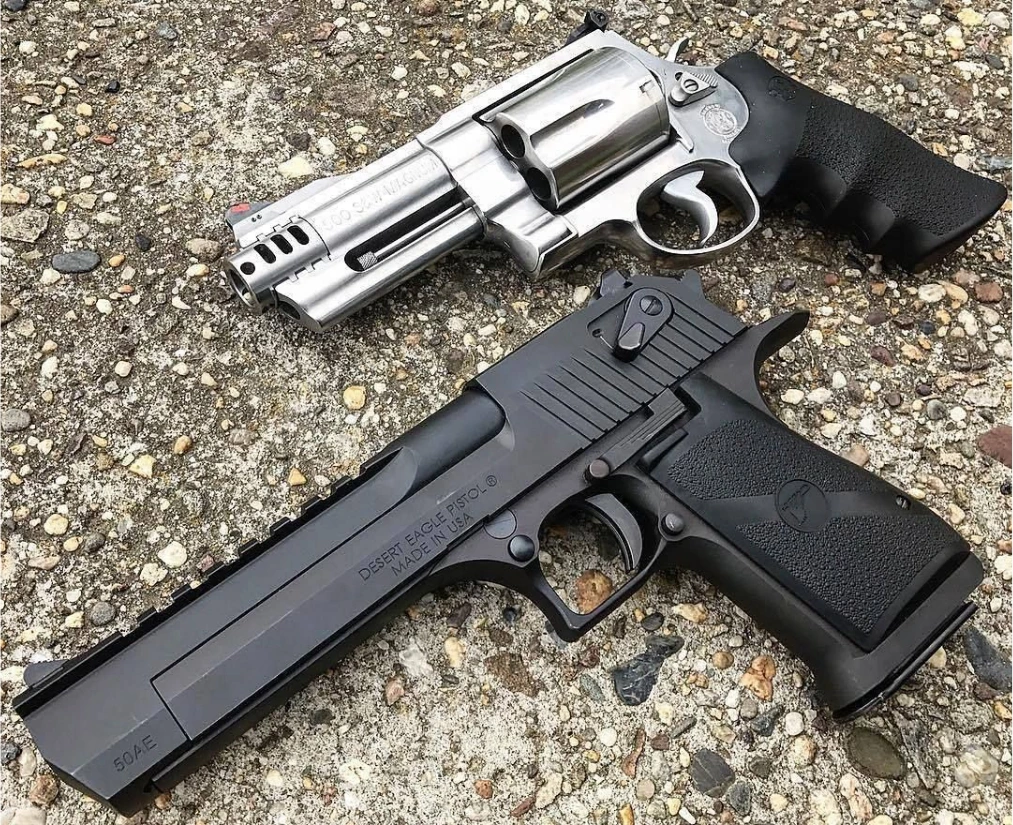
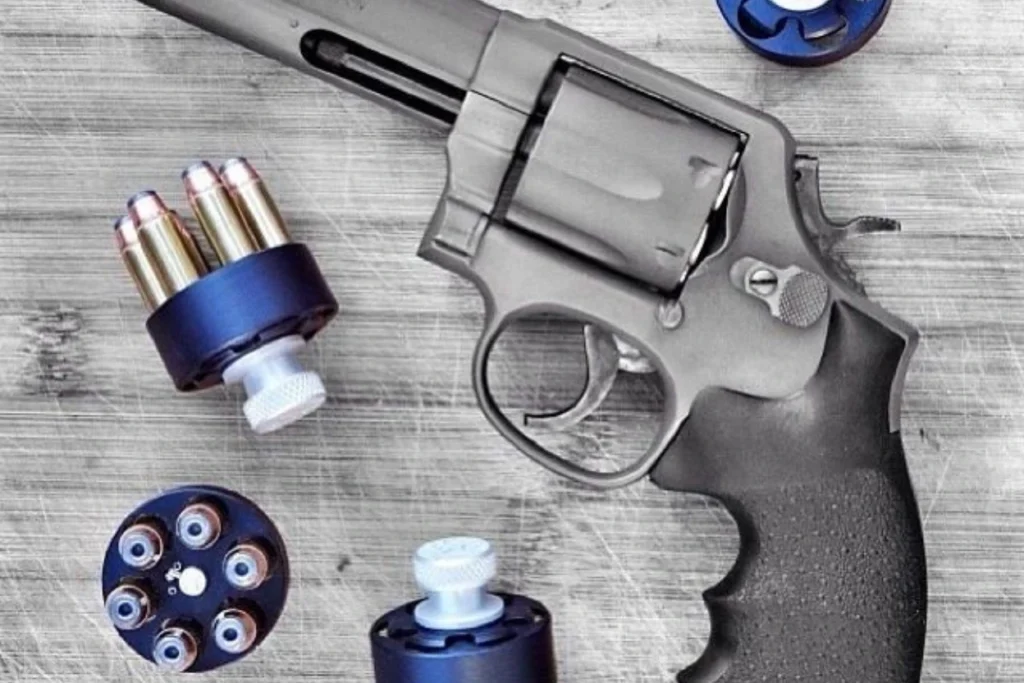
A revolver stores ammunition in a rotating cylinder. Many small defensive revolvers hold five rounds, and most defensive snub-nose models are double-action, meaning the trigger press both rotates the cylinder and fires the gun.
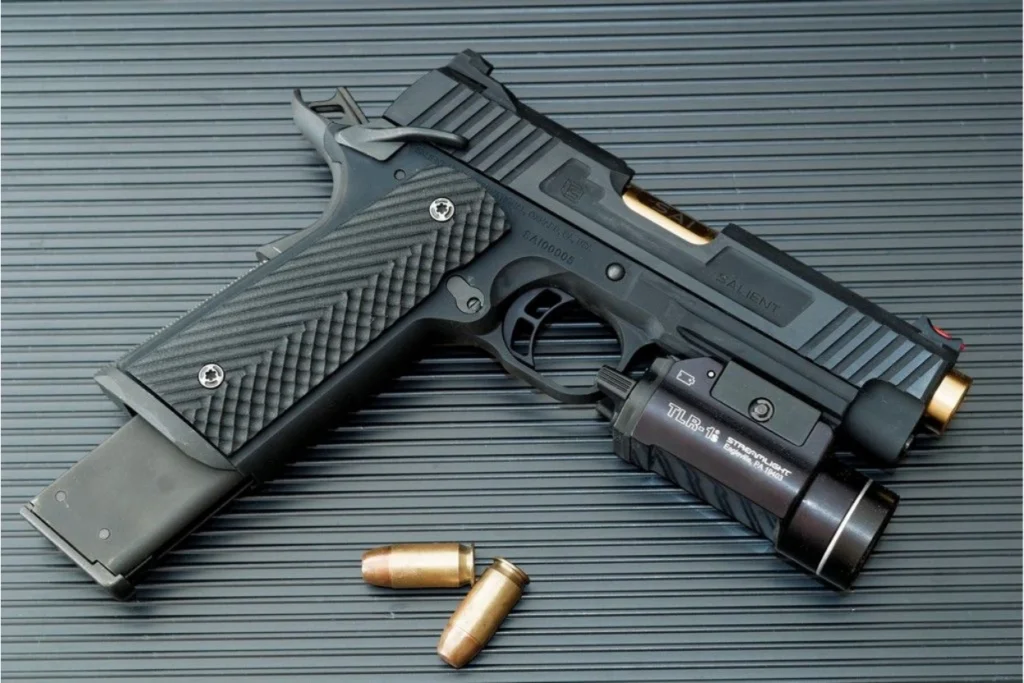
A semi-automatic pistol stores ammunition in a magazine in the grip. When fired, the slide cycles, feeding the next round. Semi-autos often offer higher capacity and quicker reloads, but they usually require more hands-on interaction: magazines, slide manipulation, and understanding basic function.
In a “Revolver vs. Semi-Auto:” decision for seniors, the best platform is the one that matches the shooter’s hands, confidence level, and willingness to practice.
| Feature | Defensive Revolver (e.g., S&W 642) | Easy-to-Use Semi-Auto (e.g., Shield EZ) |
| Operation | Simple; no slide or magazines. | Requires racking slide/loading mags. |
| Trigger | Heavier, longer “double-action” pull. | Often lighter and shorter. |
| Capacity | Low (typically 5 rounds). | Higher (typically 8+ rounds). |
| Recoil | Can feel sharper in light models. | Often softer due to cycling action. |
| Maintenance | Minimal; no magazine upkeep. | Routine cleaning and mag checks. |
Revolver vs. Semi-Auto: Which is more reliable when it matters?
Reliability includes the firearm and the user’s ability to operate it under stress.
A revolver’s appeal is simple: there’s no magazine to seat, and there’s no slide that must cycle to chamber a round. For some older adults, that simplicity can reduce user-caused problems. A small revolver like the Model 642 is also designed around straightforward operation and has a 5-round capacity typical of the category. (Smith & Wesson)
Modern semi-autos, though, are highly reliable when properly maintained and used with quality magazines and ammunition. Where seniors may struggle is not the pistol’s design, but the tasks around it: loading magazines, racking the slide, and maintaining a firm grip so the pistol cycles consistently.
So in “Revolver vs. Semi-Auto:” reliability isn’t about myths. It’s about fit + consistency + practice, and choosing a system your loved one can run the same way every time.
Which is easier for an older adult to use safely and confidently?
“Easy” means they can load it, hold it, aim it, and operate it safely without pain or awkward workarounds.
This is where many “Revolver vs. Semi-Auto” decisions are won or lost.
Revolvers can be easier for some seniors because they avoid slide racking. But there’s a tradeoff: many small defensive revolvers have heavier trigger pulls than many semi-autos, and a long trigger press can be challenging with weak hands, arthritis, or limited finger strength.
Semi-autos can be easier if you pick a model designed for reduced effort. The Shield EZ line is marketed with an easy-to-rack slide and includes easy-to-load magazines, which directly target common pain points for new and older shooters. (Smith & Wesson)
If arthritis is a factor, comfort and joint-friendly handling matter. Practical guidance often includes improving grip comfort (like a larger-feeling grip) to reduce strain and help maintain control. (NRA Family)
Quick “hands test” you can do at a gun counter (no firing needed):
- Can they reach and press the trigger without shifting their grip?
- Can they hold the gun up steadily for 10–15 seconds?
- Can they manipulate the key controls (cylinder release or magazine release) confidently?
- Do they understand and follow safe muzzle and trigger discipline while handling it? (NSSF)
Managing Limited Grip Strength and Arthritis

For many seniors, the choice isn’t just about the gun’s mechanics; it’s about the grip. Arthritis can make a heavy trigger press painful, while limited hand strength might make it difficult to “rack” (pull back) a traditional semi-auto slide.
- The Revolver Challenge: A heavy trigger requires significant finger strength to pull consistently.
- The Semi-Auto Challenge: Weak grip strength can cause “limp-wristing,” where the gun fails to cycle because the frame isn’t held firmly enough against the recoil.
- The Solution: Prioritize models with “reduced-effort” features or specialized grips that allow for a full, comfortable purchase without straining the joints.
Revolver vs. Semi-Auto: Which has less recoil for elderly shooters?
Recoil depends more on gun weight, grip fit, and ammo choice than on “revolver vs pistol.”
In “Revolver vs. Semi-Auto:” recoil surprises people. A very light revolver can feel sharp because there’s less mass to absorb recoil. The Model 642, for example, is a lightweight revolver (listed at 16.3 oz on Smith & Wesson’s specs page), which can make recoil feel more abrupt for some shooters. (Smith & Wesson)
Semi-autos in similar calibers may feel softer because the slide and recoil system spreads the impulse over time. But not all semi-autos are equal either; grip shape, bore axis, and overall weight matter.
If a loved one has arthritis, the goal is simple: a setup they can control without pain. That may mean trying different grip shapes, choosing manageable loads, and selecting sights they can actually see. (NRA Family)
Whenever possible, the best step is to try both types at a range before buying.
How much does ammunition capacity matter in a home-defense context?
Capacity matters, but it doesn’t replace skill, comfort, and safe operation.
A common “Revolver vs. Semi-Auto” talking point is capacity. Small defensive revolvers commonly hold five rounds, and the Model 642 is listed as a 5-shot. (Smith & Wesson) Semi-autos often offer more rounds on board, and that can be comforting for a new owner.
But capacity only helps if the shooter can:
- Keep the gun under control,
- Aim and press the trigger smoothly,
- And operate the system confidently.
For many seniors, the most practical “capacity advantage” is not a huge round count. It’s simply having a gun that they can shoot accurately and handle safely.
Which is simpler to maintain and keep ready: a revolver or semi-auto?
The simpler choice is the one they will actually maintain.
Revolvers can feel simpler because there are fewer day-to-day tasks: no magazines to maintain, and no slide operation required to chamber a round. They still need routine cleaning and periodic checks, just like any firearm.
Semi-autos require basic cleaning and lubrication, plus attention to magazines. The upside is that many owners find semi-autos easier to reload and carry with a spare magazine if they practice.
No matter what you choose, safe storage practices matter. NSSF emphasizes secure storage, including keeping firearms unloaded when not in use and storing them securely away from unauthorized persons, with ammunition stored safely as well. (NSSF)
Who should choose a revolver, and who should choose a semi-auto?
Here’s the cleanest way to settle “Revolver vs. Semi-Auto” without bias: match the tool to the person.
A revolver may be the better fit if:
- Slide racking is painful or unrealistic.
- Simple controls reduce confusion and anxiety.
- They accept lower capacity and are willing to practice a smooth, consistent trigger press.
- They want a proven category example like the S&W Model 642 (5-shot .38 Special, compact). (Smith & Wesson)
A semi-auto may be the better fit if:
- They can manage magazines and basic loading tasks confidently.
- They want higher capacity and potentially a softer recoil feel.
- They’re willing to practice enough to feel comfortable with normal operation.
- They want a category example like the S&W M&P 9 Shield EZ, which is explicitly designed around ease-of-use features (easy-to-rack slide, easy-to-load mags). (Smith & Wesson)
The decisive factor: pick the handgun your loved one will practice with, because confidence is built, not purchased.
What’s the definitive answer to Revolver vs. Semi-Auto: for elderly self-defense?
The definitive answer to “Revolver vs. Semi-Auto:” is this: choose the platform your loved one can operate safely, comfortably, and consistently. Revolvers can reduce complexity for some seniors, while semi-autos can offer capacity and user-friendly options, especially in models designed to reduce effort. Your role as the “concerned protector” is to prioritize fit, visibility, safe storage, and a practice plan.
Ready to narrow it down to senior-friendly options?
Next steps that make this decision easier:
- Read our guide to senior-friendly handgun features (grips, sights, triggers, and controls).
- Compare easy-to-rack semi-autos (Shield EZ-style designs).
- Learn the real pros/cons of snub-nose revolvers for everyday carry.
- Build a safe storage plan that fits caregivers, visitors, and grandkids. (NSSF)
Check out this video from TheYankeeMarshal Revolver vs Semi-Auto for Self-Defense.
FAQs
-
Revolver vs. Semi-Auto: Which is safer for seniors?
Neither is automatically safer. Safety comes from handling habits, secure storage, and choosing a handgun that the senior can control and operate confidently. Revolvers can feel simpler, while semi-autos can require more steps. Prioritize safe muzzle direction, trigger discipline, and secure storage. (NSSF)
-
Is a revolver more reliable than a semi-auto for elderly self-defense?
A revolver can reduce some user-caused issues because it doesn’t rely on a magazine or slide cycling the same way. But modern semi-autos are very reliable too. The key is choosing what the user can load, grip, and operate consistently, then practicing enough to stay confident.
-
What’s easier for weak hands: revolver or semi-auto?
It depends. Revolvers avoid slide racking, but many have heavier, longer trigger presses. Some semi-autos are designed to reduce effort, like the Shield EZ’s easy-to-rack slide and easy-to-load magazines. The best option is the one the senior can manipulate comfortably and safely.
-
Does the S&W Model 642 make sense for seniors?
As a representative lightweight revolver, the Model 642 is compact and straightforward, with a 5-round capacity and .38 Special chambering. Its light weight (16.3 oz listed) can make recoil feel sharper for some shooters, and the trigger press takes practice.
-
Is the Shield EZ a good example of a senior-friendly semi-auto?
Yes. It’s designed around ease-of-use features commonly helpful for older adults, including an easy-to-rack slide and easy-to-load magazines. Like any handgun, it still requires safe handling and consistent practice, but it’s a representative example of a “reduced-effort” semi-auto category.
-
Which has less recoil for older shooters: revolver or semi-auto?
Either can be manageable. Recoil depends heavily on gun weight and grip fit. Very light revolvers can feel snappier, while some semi-autos spread recoil over time through their cycling action. If arthritis is present, prioritize comfort and control over internet advice.
-
How important is ammunition capacity for home defense?
Capacity matters, but it’s not the whole story. Small revolvers like the Model 642 are typically 5-shot, while many semi-autos carry more. The practical priority is what the senior can shoot accurately and handle safely. A controllable firearm beats extra rounds they can’t use well.
-
Which is easier to maintain: a revolver or semi-auto?
Revolvers can feel simpler day-to-day, but they still need cleaning and periodic checks. Semi-autos require routine cleaning plus attention to magazines and lubrication. The best choice is the one the owner will maintain consistently, paired with a safe storage plan that prevents unauthorized access. (NSSF)
-
What matters most when deciding Revolver vs. Semi-Auto: for a loved one?
Hands and confidence. Can they load it, control it, see the sights, and follow safe handling rules without strain? The right answer is the gun they can operate the same way every time. If possible, try both platforms at a range and choose the one they prefer. (NSSF)
Is it the ergonomics, the capacity, or the reliability? Defend your pick below.👇