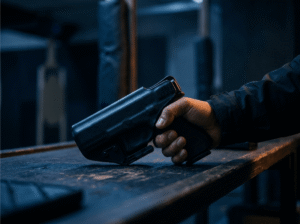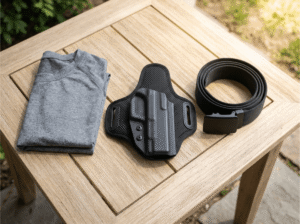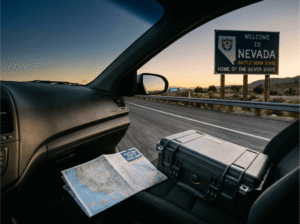

You carry a firearm to protect yourself and your family. That decision brings with it real responsibility and real consequences. If you’re ever forced to defend yourself, the aftermath can be overwhelming. Legal fees, court appearances, and the weight of public scrutiny aren’t just possibilities; they’re likely.
That sense of security, however, can disappear the moment you actually need help. Many gun owners learned the hard way that a firearm insurance policy doesn’t always pay out due to hidden rules or confusing fine print. The comfort you felt from having insurance can fade quickly once reality sets in and the stakes are high.
The Basics: What a Firearm Insurance Policy Covers
A firearm insurance policy sounds like a safety net. The ads talk about covering legal fees, posting bail, and sending in lawyers to back you up if you ever have to pull the trigger. On the surface, paying a monthly premium looks like smart planning.
But the truth is, most policies are full of fine print. They set hard limits on when, where, and how they’ll step in, and those rules might leave you stranded.
Criminal defense coverage might sound reassuring, but many policies only pay out after you’ve been found not guilty. That means you’re on the hook for everything up front and only reimbursed if things go your way in court.
Civil lawsuits are another minefield. Some plans will help if someone sues you after a self-defense incident, but that coverage often comes with conditions, and those conditions aren’t always obvious.
Then there are the situation-based exclusions. Many policies won’t protect you if the incident happens at a business with posted “no firearms” signs, on government property, or involves a family member or someone living in your home.
These aren’t edge cases. They’re the kind of things that happen in real life, and they can be deal-breakers if you don’t know what’s buried in the fine print.
Criminal and civil support differ in important ways, and those details trip up many policyholders. If you want a deeper look at how providers stack up, the USCCA has a helpful comparison of what you actually get with different policies.
When Fine Print Becomes a Roadblock
Most folks buy firearm insurance believing it will be there when the stakes are highest. But the trouble usually starts when they actually try to use it. That’s when exclusions, technicalities, and red tape step in — not to help, but to stall.
Some of the most common reasons claims get denied include:
- Incidents on property you don’t own or have permission to use
- Any involvement with alcohol, no matter how minor
- Situations where the company later decides your use of force wasn’t “reasonable”
- Delays in filing or paperwork errors
- Events that happen in restricted areas or places with local firearm restrictions
Even if your case seems cut and dry, the process can drag. Some companies won’t even begin processing your claim without full police reports, signed witness statements, or other documents you might not have right away. In many cases, they won’t pay a dime until your entire legal process is over, sometimes months or even years down the road.
By then, the bills have piled up, and the stress has taken its toll. That’s when many gun owners realize their policy offered more promise than protection.
Real World: What Happens After a Defensive Shooting
Using a firearm in self-defense doesn’t close the book on the situation. Once police arrive, they secure the scene, take your firearm as evidence, and begin asking questions while the event is still fresh in your mind.
Depending on what happened, you could be taken into custody or asked to remain at the scene during the investigation. Even when your actions were legal, it can take time before prosecutors decide whether to file charges.
During that period, you may need to contact an attorney, arrange bail, or explain your absence to family or your employer. The financial strain can begin immediately, especially if you’re covering costs out of pocket. Civil lawsuits may also follow, sometimes before the criminal side is resolved.
These situations often unfold slower and with more uncertainty than expected. Knowing what kind of support you actually have ahead of time can make a real difference when things don’t move quickly.
Real-world stories make it clear: having a firearm insurance policy is no guarantee of instant help.
Reading the Fine Print: How to Know If You’re Covered
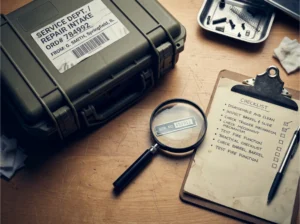
Before you trust your future to a firearm insurance policy, read your agreement from beginning to end. Sales brochures and bold promises only tell part of the story. The most important details often hide in the fine print. Many gun owners feel secure until it is time to file a claim. Only then do the policy definitions and exceptions make a difference.
Watch for these warning signs as you review your policy:
- Vague definitions of “reasonable force” or “self-defense”
- Exclusions for incidents involving people who live with you
- Coverage that starts only after charges are dropped or you win in court
- Requirements to pay legal costs up front before getting any support
- Short time limits for reporting, which can end your claim before it begins
If anything feels unclear, ask direct questions. Talk to your provider and compare your contract with other options.
Building Peace of Mind with the Right Firearm Insurance Policy
Carrying a firearm means you accept responsibility for every choice you make. The same standard applies when choosing a firearm insurance policy. Real protection comes from knowing exactly what your coverage includes and where it stops. A strong plan spells out the details, not just the promises.
Before entrusting your future to any company, read your policy carefully and speak up if something feels unclear. Make sure you understand how claims work, what situations are excluded, and when actual support begins. Responsible gun owners take the time to prepare. That includes making sure insurance does what you expect when the stakes are highest.
Have you ever read the fine print on your firearm insurance policy or had to use it after a self-defense situation? Share your experience or questions in the comments. Your story could make a difference for someone else in our community.
Frequently Asked Questions about Firearm Insurance Policy
Q: What is a firearm insurance policy and why do I need one?
A: A firearm insurance policy covers legal fees, bail, or damages after a self-defense shooting. It helps protect you from the high cost of legal trouble.
Q: Does every firearm insurance policy cover both criminal and civil cases?
A: Not always. Some only cover criminal defense or require you to win in court first. Always check what each policy includes.
Q: Can my firearm insurance policy be denied after a defensive shooting?
A: Yes. Coverage can be denied if your case involves excluded locations, delayed reporting, or someone who lives with you. Read the fine print carefully.
Q: Will I get money up front or after my case ends?
A: It depends. Some companies pay right away; others require you to pay first and file for reimbursement. Know the process before you need it.
Q: What should I look for in the fine print of my firearm insurance policy?
A: Watch for exclusions, vague definitions, and requirements that delay or block payment. Ask your provider about anything that seems unclear.