
Skills fade when they’re not used, especially with firearms. But for many shooters, regular range time isn’t always realistic. Busy schedules or even bad weather can make it hard to get out and train.
When the range is out of reach, that doesn’t mean your skills have to be. Training at home can be just as effective with the right mindset. Simple drills done in a safe space can keep your reflexes sharp and your technique solid. What matters isn’t where you practice, but how often you put in the work.
Why Home-Based Firearm Training Gives You an Edge
Shooting is a perishable skill, and you can lose your edge if you go too long between live-fire sessions. Setting up a home-based firearm training program bridges that gap by helping you maintain muscle memory and safe gun handling, all without stepping foot on a range. Many respected instructors agree that regular practice at home will keep your skills from fading, especially when trips to the range are few and far between.
The U.S. Concealed Carry Association points out that regardless of skill level, dry fire routines are among the safest and most effective ways to train. Home-based firearm training also lets you practice situations most ranges won’t allow like drawing from concealment or reloading while on the move. Short, focused sessions help you build real confidence and stay sharp, even when life keeps you away from the range.
Dry Fire Practice: Sharpen Your Trigger Control
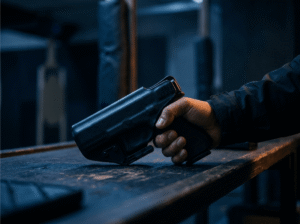
Dry fire forms the backbone of home-based firearm training. It helps you build a steady trigger press and improve your sight alignment, all while using safe handling habits. Before each session, always unload your firearm and check the chamber. Select a safe spot in your house such as a sturdy brick wall or a heavy bookshelf to minimize distractions.
For best results, set yourself up with a simple routine:
- Select a small target like a light switch or a sticker so your sights have a clear focus point.
- Practice a slow trigger press and pay close attention to keeping your sights steady.
- Reset your trigger and repeat while watching your grip and front sight.
- If you want to add realism, start each rep from your everyday carry stance and go through your draw before pressing the trigger.
Experienced instructors with the NRA explain that dry fire is valuable for every shooter. Regular home sessions help you fix bad habits, build muscle memory, and develop better control in a safe environment. Even short practice can help you avoid costly mistakes when you finally get to the range.
Mag Changes: Get Faster and Smoother
Magazine changes are often ignored during practice but they make a big difference in real-world handling. Fumbling a reload in a stressful moment loses you valuable time and may find yourself without a working gun when you need it most. Home-based firearm training gives you a safe, controlled space to repeat this skill until it becomes automatic.
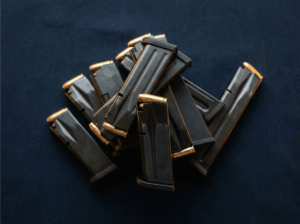
To run mag change drills at home, set up with an unloaded pistol and two empty magazines. If you have snap caps, use them for added realism. Here’s how to make the most of your practice:
- Place one magazine in the pistol and the other on your belt, in a pocket, or on a table.
- Press the mag release to drop the empty magazine, then reach for the spare and insert it quickly.
- Firmly seat the magazine, then bring your pistol back up to your ready position or simulated target.
- Practice the motion from standing, seated, or even from behind cover like a sturdy chair.
Recording your practice with a camera phone can help you identify wasted movement and make your reloads more efficient. Many instructors recommend timing yourself or counting your reps to see steady progress over time. Consistent practice will build muscle memory, making changes quick and reliable under stress.
Drawing from Concealment: Build Real Readiness
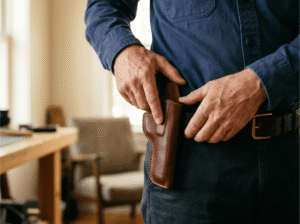
Every concealed carrier needs to master how to draw their firearm smoothly. In most real situations, that first movement is what counts. If your draw is slow or gets tangled up with clothing, you put yourself at risk. Home-based firearm training refines each motion so it becomes second nature.
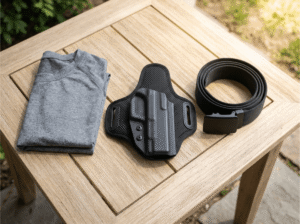
Begin each session with your actual carry holster and an unloaded pistol. Choose a cover garment that matches your everyday routine. For each repetition, focus on the following:
- Move your cover garment away using your support hand, making sure you can reach your pistol without interruption.
- Establish a strong grip before lifting the pistol from the holster.
- Draw in a straight line upward, keeping the muzzle pointed in a safe direction at all times.
- Extend toward a safe target while aligning your sights.
- Place your finger on the trigger only after your sights settle.
Vary your practice by switching between standing and seated positions. After each draw, take time to reholster with care. That attention to detail makes your practice both safer and more realistic.
Stay Sharp and Ready with Home-Based Firearm Training
No one plans for danger, but if you own a firearm, being ready should never be an afterthought. When a trip to the range isn’t in the cards, your home can still be a place to stay sharp. Dry fire reps, mag changes, and drawing from concealment aren’t just stand-ins; they’re real training.
You don’t need top-tier gear or hours to spare. A few minutes of focused practice can build confidence that lasts. And if the day comes when you need it, those quiet reps at home could be what tip the scale in your favor.
What does your own home-based firearm training look like? Leave a comment with your favorite routines, lessons, or questions. Your experience could help someone else step up their own training.
FAQs
Q: Is home-based firearm training safe?
A: Yes, as long as you always double-check that your firearm is unloaded, use a safe backdrop, and remove all live ammunition from the training area.
Q: What equipment do I need for home-based firearm training?
A: You need your unloaded firearm, holster, spare magazines, and a safe place to train. Snap caps or dummy rounds can add realism for certain drills.
Q: Can I improve accuracy without shooting live rounds?
A: Absolutely. Dry fire drills, which are part of home-based firearm training, build trigger control and sight alignment—two keys to accuracy.
Q: How often should I practice at home?
A: Most shooters see improvement with short sessions several times a week. Even five minutes of focused home-based firearm training is valuable.
Q: Can I legally practice draw and reload drills at home?
A: In most places, yes, as long as no live ammunition is used and all local safety laws are followed. Always check your local ordinances.