
The Essentials
A Better Range Bag focuses on safety, uptime, and performance tracking rather than sheer volume. By carrying 10 essential items, including backup PPE, labeled ammo, and a shot timer, you eliminate downtime and ensure every session is productive. Use this checklist to build a lean, repeatable system for your next trip.
Steal this checklist in one line:
PPE (eyes/ears) + ammo (labeled) + targets (and tape) + mags + basic tools + field-fix cleaning + notes + timer/metric + first aid + small essentials.
A Quick Safety Note Before You Pack
A Better Range Bag starts with safe habits, not gear. Most ranges have posted rules for handling firearms, ammo, and movement on the line, and you should follow them every time. Pack so you can stay compliant: keep items organized, prevent loose ammo chaos, and prioritize eye/ear protection and basic medical readiness.
Related: Gun Carrier vs. Gun Case: Which Travel Gear Should I Use?
How This Better Range Bag Checklist Works (So You Don’t Overpack)
Packing can spiral fast because “just in case” items pile up. The Better Range Bag approach uses three buckets: items that keep you safe, items that keep you shooting, and items that help you learn. That keeps your bag lean, repeatable, and easy to restock after each trip.
- Must-haves: prevent a wasted range session.
- Optional add-ons: depend on your range type and training plan.
- Commonly forgotten: small, cheap items you always need.
Must-have vs Optional vs Commonly Forgotten (Quick Comparison Table)
| Category | Item | Why does it earn a spot | Notes/examples |
| Must-have | Eye protection (backup pair) | Required to shoot; prevents a wasted trip | Clear + tinted if outdoors |
| Must-have | Hearing protection (+ spare batteries) | Protects hearing; improves comfort and focus | Plugs + muffs for indoor; batteries for electronics |
| Must-have | Ammo (organized + labeled) | Prevents mix-ups and speeds troubleshooting | Label: caliber, load, date, notes |
| Must-have | Targets + mounting supplies + tape/pasters | Let’s you actually run drills and stay efficient | Stapler/clips depending on range |
| Must-have | Enough magazines for your plan | Reduces downtime; keeps drills consistent | Bring enough for several strings |
| Must-have | Basic tools (correct bits) | Fixes loose optics/mounts without drama | Specific hex/Torx > random tool pile |
| Must-have | Field-fix cleaning kit | Handles common reliability hiccups | Bore snake, rag, small lube |
| Must-have | Notebook + pen (or Notes app) | Tracks progress and prevents repeating mistakes | Zero data, drill notes, malfunctions |
| Must-have | Shot timer (or metric) | Adds objective feedback to practice | Timer, par time, or consistent drill metric |
| Must-have | Compact first aid kit | Responsible preparedness reduces risk | Gloves, bandage, trauma items if trained |
| Optional | Hat, sunscreen, bug spray | Outdoor comfort and focus | Outdoor ranges, summer sessions |
| Optional | Water + snack | Keeps energy steady, reduces fatigue | Especially for classes |
| Optional | Optics care kit | Keeps dot/scope usable | Lens cloth, blower, spare battery |
| Optional | Brass bag / small broom | Helps with cleanup (range-dependent) | Follow range rules |
| Optional | Knee pad / small towel | Comfort for kneeling drills, sweat | Quality-of-life upgrade |
| Commonly forgotten | Tape/pasters | Targets fall; drills stop | Keep it in the same pocket always |
| Commonly forgotten | Sharpie/marker | Labeling targets/ammo becomes impossible | Also marks drills/strings |
| Commonly forgotten | Spare batteries | Ear pro/optic dies mid-session | Store in a small hard case |
| Commonly forgotten | Target clips/stapler | You can’t hang targets | Match your range setup |
| Commonly forgotten | Lens wipes | Dirty lenses ruin the sight picture | Small travel packs |
| Commonly forgotten | Trash bag | Cleanup and organization | Targets, packaging, brass |
| Commonly forgotten | Range card/ID | Some ranges require it | Keep it in the admin pocket |
What are the 10 essential items every Better Range Bag needs?
This list is the “serious, not silly” core. Each item earns space by solving a predictable problem that ruins range days. If you’re building a Better Range Bag from scratch, start here, and you’ll cover 95% of what most shooters actually need.
1) Eye Protection (Bring a Backup Pair)
Eye protection isn’t optional; it’s the ticket to stepping on the line. A Better Range Bag includes a spare pair because lenses scratch, get forgotten, or fog at the worst time. If you ever bring a friend or coach a new shooter, the backup also makes you the hero.
What to look for: ANSI Z87.1+ impact-rated lenses that provide wrap-around protection. Ensure you have a clear lens for indoor or low-light ranges and a tinted set for outdoor sessions.
Common mistake: one pair only, then the day ends if they’re lost or damaged.
2) Hearing Protection (Plus Spare Batteries if It’s Electronic)
Hearing protection is another non-negotiable. A Better Range Bag setup often includes both plugs and muffs, because doubling up can help indoors or around loud firearms. If you use an electronic ear pro, spare batteries belong in the same pocket every time.
What to look for: comfort, seal quality, and easy on/off.
Common mistake: dead batteries, or poorly sealing muffs that “look fine” but don’t protect well.
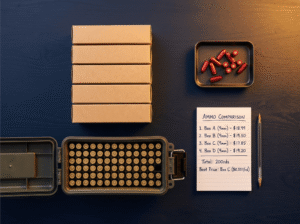
3) Ammo You Intend to Shoot (Organized and Labeled)
Loose boxes and mystery rounds are the fastest way to waste time and create confusion. A Better Range Bag uses simple organization: separate calibers, keep similar loads together, and label what matters. You’ll troubleshoot faster, track performance better, and avoid mixing ammo types by accident.
Label basics: caliber, bullet weight, brand/load, date, and quick notes (like “runs great in my carry pistol”).
Common mistake: dumping half-used boxes into one compartment.
4) Targets and a Way to Hang Them (Plus Tape or Pasters)
Targets are obvious, but target support is what people forget. Your Better Range Bag should cover whatever your range requires: tape, pasters, clips, or a stapler. When you’re training with intention, you’ll burn through tape faster than you think.
What to look for: targets that match your drills (simple bullseye, grid, or ID-style silhouettes).
Common mistake: showing up with targets but no way to mount them.
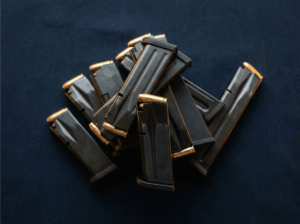
5) Magazine Support (Enough to Run Your Plan)
A Better Range Bag reduces downtime. If you’re loading after every few shots, you spend more time fiddling than training. Carry enough magazines to run your planned drills smoothly, especially if you’re practicing draws, reloads, or timed strings.
Rule of thumb: bring enough mags so you can shoot several strings before reloading.
Common mistake: bringing only one magazine, then “training” turns into constant loading.
6) Basic Tools for Your Firearm (Small, Not a Garage)
Tools are where people overpack. A Better Range Bag tool kit is small and specific: the correct bits for your optic mount, grip screws, or common fasteners. The goal is quick fixes like tightening a loose screw, not doing major gunsmithing at the bench.
What to include: compact multi-tool, correct hex/Torx drivers for your setup, small flashlight if needed.
Common mistake: wrong driver sizes that strip screws and make the problem worse.
7) Small Cleaning and Field-Fix Kit (Wipe-Down + Bore Snake)
This isn’t a deep-clean kit. A Better Range Bag includes basic field-fix items that restore function when things get gritty: a bore snake in the right caliber, a rag, a small brush, and a tiny bottle of lube. That’s enough to handle most “why is it acting up?” moments.
What to look for: compact items that don’t leak and stay contained.
Common mistake: dragging full-sized rods and bottles like you’re cleaning a fleet.
8) Notebook and Pen (Or Notes App) for Zeroes and Lessons Learned
Skill improves faster when you track what happened. A Better Range Bag always includes a way to record: ammo used, malfunctions, sight settings, group sizes, drill times, and what you want to work on next session. You don’t need a fancy logbook, just consistency.
What to write down: date, firearm, ammo, target distance, results, and a next-step goal.
Common mistake: “I’ll remember,” then you repeat the same mistakes next week.
9) Shot Timer (Or at Least a Simple Performance Metric)
Progress needs a measure. A shot timer is one of the quickest upgrades to a Better Range Bag because it turns practice into feedback. If you’re not ready for a timer, use a simple metric: group size at a set distance, a consistent drill, or even a par time (if your range allows it).
What to focus on: safe, controlled improvement, not racing.
Common mistake: practicing with no metric and calling it “training.”
10) Compact First Aid Kit (Range-Appropriate)
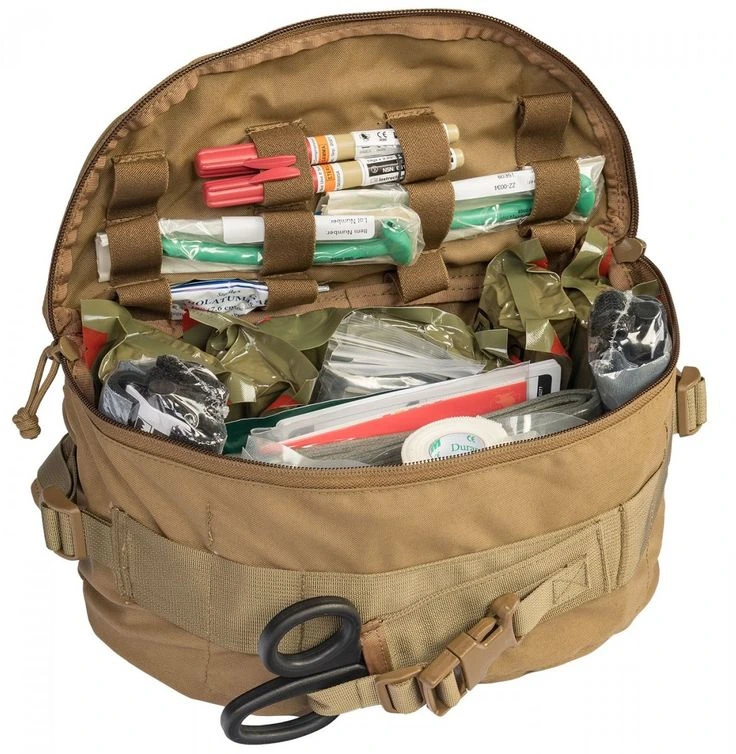
This is about responsibility, not drama. A Better Range Bag includes basic first aid items and, ideally, trauma capability if you’re trained to use it. Keep it compact and accessible, not buried under ammo. If you don’t have training, consider getting it and keep your kit simple.
Good basics: Nitrile gloves, sterile bandages, and a pressure dressing. Add a CoTCCC-recommended tourniquet (like a CAT or SOFT-T) and hemostatic gauze only if you have the proper training to use them.
Common mistake: assuming the range will have what you need.
Optional Add-Ons That Can Upgrade a Better Range Bag
Once your core is locked in, extras can genuinely help, but only if they match your range reality. This is where a Better Range Bag stays useful instead of turning into a heavy closet. Add one or two at a time, and if you don’t use something for three trips, pull it out.
Optional items are great when they match your training style: outdoor comfort, low light, competition pace, or coaching a new shooter.
Optional ideas that earn their keep:
- Comfort: water, snack, small towel, wipes
- Outdoor support: hat, sunscreen, bug spray
- Optics care: lens cloth, small blower, spare optic battery
- Brass management: small brass bag (range-dependent)
- Data tools: small ruler/calipers for groups, or a simple group-measuring overlay
- Spare parts (minimal): extra batteries, small screws specific to your optic mount (only what you actually use)
The Stuff People Forget Until They Need It (Mini Checklist)
Even seasoned shooters forget the same handful of items. The point of a Better Range Bag is reducing friction, and this mini list is your “save the day” section. Do a 10-second glance at this before every trip, and you’ll cut most range-day annoyances to zero.
Better Range Bag “don’t forget” mini list:
- Tape or pasters
- Stapler or target clips (range-dependent)
- Sharpie/marker (for labeling targets and ammo)
- Spare batteries (ear pro + optic)
- Lens wipes
- Small trash bag (cleanup and brass/target debris)
- Range card/ID (if required)
- Water

- Security And Reliability - All of our first aid products carry certificate of conformity to ensure conformance to global...
- Contents – Packed with 110 Pieces useful and valuable hospital grade first aid supplies - See the product images and...
- Design - For maximum efficiency and portability, this basic first aid kit weighs only 0.35 pound and features a compact...

Last update on 2026-09-03 / Affiliate links / Images from Amazon Product Advertising API
Build Your Better Range Bag by Shooter Type
Not everyone shoots the same way. This section helps you personalize your Better Range Bag without adding clutter. Pick the profile that matches your most common range day, and let that guide what you carry consistently.
Discreet Defender (CCW-Focused, Efficiency First)
If your range time supports concealed carry, your Better Range Bag should stay compact and consistent. Focus on safety gear, reliable ammo organization, and just enough magazines to run your drills without constant loading. Keep tools minimal and notes simple, and you’ll practice more and fiddle less.
Smart add-ons: a shot timer, spare ear pro, and a dedicated notebook page for carry ammo performance.
Prepared Professional (Performance and Structure)
If you train with goals and track progress, your Better Range Bag should support repeatable sessions. That means a timer, a consistent drill plan, and a tight tools-and-batteries setup that matches your optics and mounts. The biggest win here is organization: the same pockets for the same items every time.
Smart add-ons: spare optic battery, lens cloth, and a simple scoring system for drills.
Comfort-First and Confidence-Building (Practical, Not “Tacticool”)
Many shooters just want a calm, comfortable range day with fewer surprises. A Better Range Bag for this profile prioritizes PPE comfort, easy ammo labeling, hydration, and small quality-of-life items like wipes, a towel, and extra hair ties if needed. The goal is consistency and confidence.
Smart add-ons: better-fitting ear pro, tinted eye pro for outdoor, and a simple checklist saved on your phone.



Last update on 2026-09-03 / Affiliate links / Images from Amazon Product Advertising API
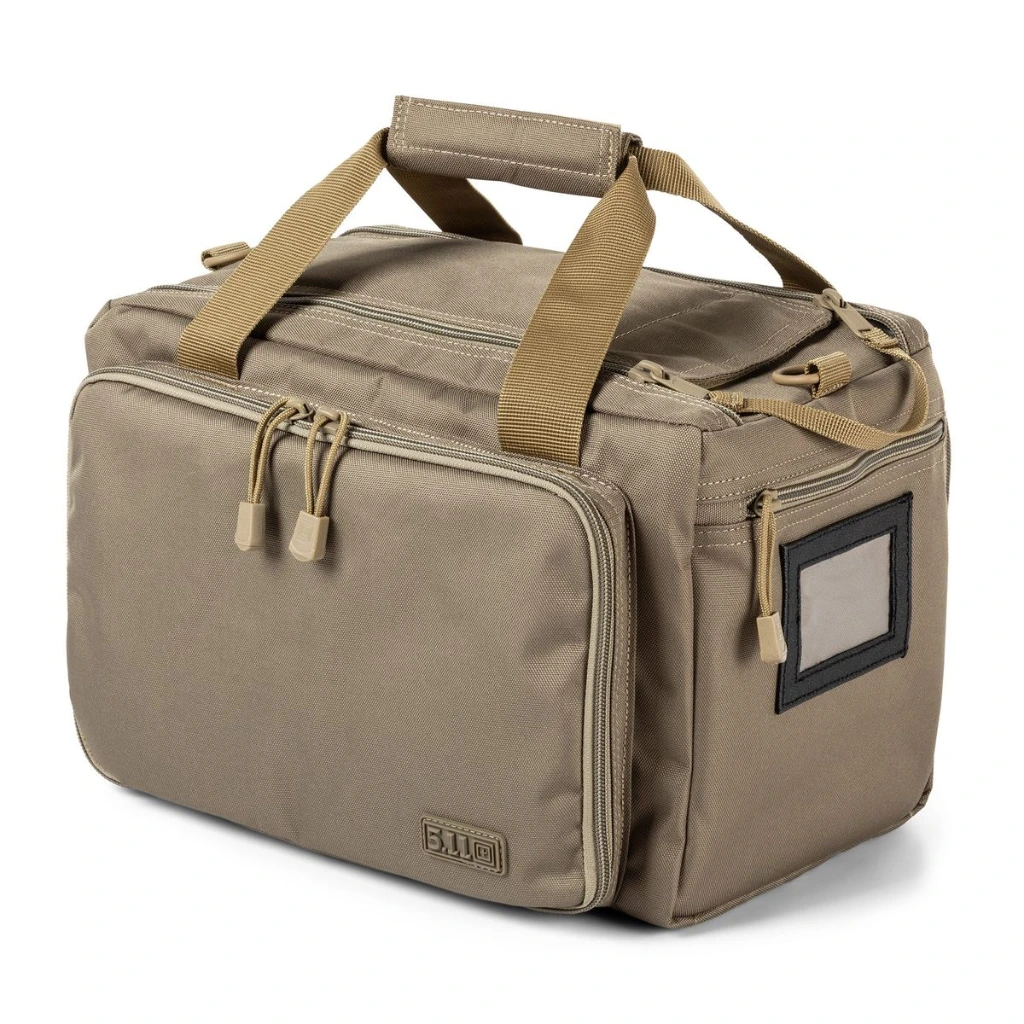
How to Choose the Right Bag for a Better Range Bag Setup
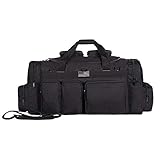
The bag itself matters because it dictates whether you stay organized. This is where a Better Range Bag becomes a system: sturdy zippers, a structured base, and compartments that make sense. You don’t need a “tactical suitcase,” but you do need a bag that won’t collapse into a jumble.
Look for:
- Structure: a base that holds shape and doesn’t flop
- Zippers and stitching: these fail before the fabric does
- Organization: pockets that match your items (PPE, ammo, tools, med)
- Cleanability: Range bags get dusty and dirty
- Size that fits your reality: pistol-only vs class-day loadout
Simple sizing guide:
- Compact: one handgun + a few mags + basic PPE
- Medium: two handguns or handgun + PCC, more mags, timer, target supplies
- Large/class bag: all-day training with hydration, more target gear, extra support items
A Better Range Bag Is a System, Not a Stuff Pile
A Better Range Bag isn’t about owning more gear. It’s about packing the right core items, in the same place, every time, so range days stay safe and productive. Start with the 10 essentials, add only what matches your range routine, and keep the “forgotten items” list near the zipper.
Key Takeaways
- A Better Range Bag starts with eye/ear protection, organized ammo, targets, mags, and basic tools.
- Track something (notes, group size, timer) so you actually improve.
- Keep a compact first aid kit and know how to use what you carry.
- Optional items should match your training plan, not your imagination.


Last update on 2026-09-03 / Affiliate links / Images from Amazon Product Advertising API
Steal the Better Range Bag Checklist
Before your next range trip, copy/paste this into Notes and check it in 20 seconds:
Better Range Bag Core 10
- Eye protection (backup pair)
- Hearing protection (plus spare batteries if electronic)
- Ammo (organized + labeled)
- Targets + mounting method + tape/pasters
- Enough magazines for your plan
- Basic tools (correct bits for your setup)
- Field-fix cleaning kit (bore snake, rag, small lube)
- Notebook + pen (or Notes app)
- Shot timer (or a consistent metric)
- Compact first aid kit (range-appropriate)
Don’t Forget
- Sharpie, lens wipes, trash bag, water, range card/ID
Check out this video from GUNBROS about The Essentials Your Range Bag Needs:
FAQs
1) What are the must-have items in a Better Range Bag?
A Better Range Bag should always include eye and hearing protection, organized ammo, targets with tape or mounting supplies, enough magazines for your plan, a small tool kit, a basic field-fix cleaning kit, a notebook, a performance metric (like a timer), and a compact first aid kit.
2) What should a beginner bring in a Better Range Bag?
A beginner’s Better Range Bag should focus on safety and simplicity: eye/ear protection, clearly labeled ammo, a basic target setup, a few magazines, and a small notebook to track what worked. Add tape, a marker, and water. Skip bulky extras until you know what your range routine requires.
3) How much ammo should I pack in a Better Range Bag for a typical session?
Most casual range trips use enough ammo for several short drills or a focused practice block. Pack what you realistically plan to shoot, plus a small buffer so you can repeat a drill or confirm a zero. A Better Range Bag works best when ammo is organized and labeled for quick access.
4) Do I need a shot timer in my Better Range Bag?
You don’t need one, but a shot timer is one of the best upgrades for a Better Range Bag because it adds objective feedback. If you’re not ready for timed work, track group size, consistency, or a repeatable drill instead. Measuring something is what turns practice into progress.
5) What tools belong in a Better Range Bag?
A Better Range Bag tool kit should be small and specific to your gear: the correct hex or Torx bits for optics and mounts, a compact multi-tool, and a small flashlight if needed. The goal is quick fixes like tightening a screw, not doing major repairs or gunsmithing at the range.
6) Should I keep a first aid kit in my Better Range Bag?
Yes. A Better Range Bag should include a compact first aid kit because accidents can happen anywhere, not just at the range. Keep it accessible and stocked with basics like gloves and bandages. If you carry trauma items like a tourniquet, get training and use quality equipment.
7) How do I organize ammo and magazines in a Better Range Bag?
Use dedicated compartments or pouches so ammo stays separated by caliber and load. Label boxes or containers with key details like caliber and bullet weight. For magazines, store them upright in a consistent location so you can quickly count what you have. A Better Range Bag reduces guesswork and wasted time.
8) What’s the difference between an indoor and outdoor Better Range Bag?
Indoor ranges usually require additional hearing protection and better organization for smaller lanes, while outdoor ranges add weather protection. For an outdoor Better Range Bag, consider sunscreen, a hat, water, and bug spray. For indoor, prioritize strong ear pro, tape/pasters, and a compact layout that’s easy to manage.
9) What are the most commonly forgotten Better Range Bag items?
The most forgotten Better Range Bag items are tape or pasters, a marker, spare batteries for ear pro or optics, lens wipes, and a way to mount targets (stapler or clips). Water and a small trash bag are also easy to overlook. These items are cheap, small, and save on range days.
10) How do I keep my Better Range Bag from getting too heavy?
Start with the 10 core items and add only what you used in the last few trips. If an item stays untouched for three range sessions, remove it. Choose compact versions of tools and cleaning supplies, and keep ammo quantities realistic. A Better Range Bag should be repeatable, not exhausting to carry.
What’s your ‘why’ for this setup? Share your thoughts with us 👇