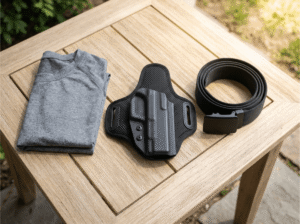

Critical Points on the 2025 Gun Law Changes
- Summarizes major U.S. gun law changes expected or proposed for 2025, with emphasis on federal updates and high-impact state actions.
- Highlights carry laws, background checks, red flag enforcement, and age-related restrictions most likely to affect gun owners.
- Explains how court rulings and pending legislation could shift enforcement rather than create entirely new bans.
- Notes that state-level changes vary widely, making local compliance more important than federal headlines.
- Emphasizes the need for gun owners to verify current state law, as many changes depend on implementation dates and court challenges.
Related: Gun Laws by State: 2025 Edition
2025 Gun Law Changes Every Firearm Owner Should Know
Gun laws continue to evolve, and 2025 brings a mix of federal updates and state-level changes that firearm owners should understand before heading to the range or carrying daily.
While not every proposal becomes law, several trends are already shaping how firearms are bought, carried, stored, and transferred across the U.S. Below is a practical breakdown of what’s changing, what’s being debated, and what gun owners should pay attention to this year.
Important note: Firearm laws vary by state and can change quickly. Always confirm details with your state or local authorities before making decisions.
Federal Gun Law Updates to Watch in 2025
Federal laws apply nationwide and often create sweeping effects. This year focuses on firearm accessories, private sales, and red flag laws.
Universal Background Checks: What’s Actually Changing?
One of the most discussed federal proposals involves expanding background checks to cover more private firearm transfers.
Currently, federal law requires background checks only when purchasing from licensed dealers. Several bills under discussion aim to extend this requirement to most private sales and transfers, closing what supporters call the “private sale loophole.”


Last update on 2026-09-24 / Affiliate links / Images from Amazon Product Advertising API
What this could mean for gun owners:
- Private sales may require a licensed dealer to conduct the background check
- Informal transfers between non-family members could face new restrictions
- Enforcement would largely rely on dealer-facilitated checks rather than direct registration
While not all proposals have passed, momentum at the federal level suggests continued pressure in this direction.
Stabilizing Braces and Federal Classification
The classification of pistol stabilizing braces remains a major issue in 2025.
Under recent federal interpretations, many firearms previously considered pistols may now fall under regulations traditionally applied to short-barreled rifles.
Why this matters:
- Some firearm owners may need to register affected firearms or modify configurations
- Non-compliance could carry serious penalties
- Ongoing legal challenges mean rules may shift again
Owners who use stabilizing braces should regularly monitor official guidance and legal updates.
Universal Background Checks
Lawmakers are pushing to close loopholes in private gun sales. This change requires background checks for all firearm transfers, even between friends.
- Why It Matters: Selling or trading firearms privately could become more complex.
- What to Do: Check for updates on the proposed legislation through reliable sources like the NRA Legislative Action Center.
Red Flag Laws: Expanding Federal Support
Red flag laws, also known as Extreme Risk Protection Orders, allow courts to temporarily restrict firearm access for individuals deemed a serious risk to themselves or others.
In 2025, federal efforts focus on:
- Encouraging more states to adopt red flag laws
- Providing funding and training for enforcement
- Standardizing due-process safeguards
Even in states without red flag laws, federal incentives may influence future adoption.
Concealed Carry: State Laws in Transition
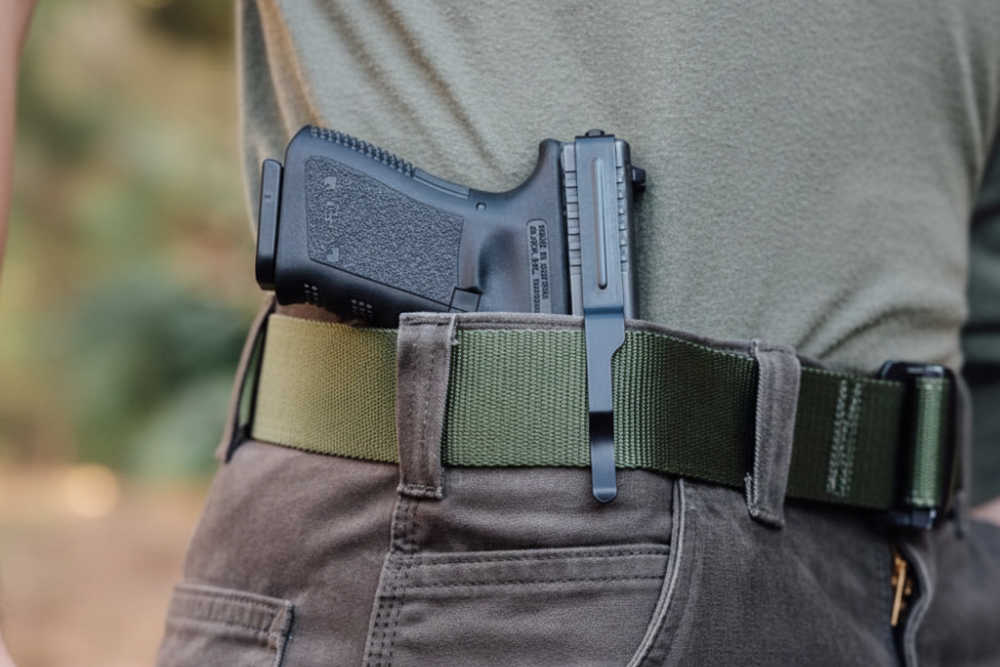
Concealed carry laws vary across states. Some are expanding freedoms, while others are imposing more restrictions.
Constitutional Carry Gaining Traction
In 2025, Florida and South Carolina joined the list of constitutional carry states, which brings the total to 28 states. Law-abiding residents in these states can carry concealed firearms without a permit.
- Why It Matters: Constitutional carry simplifies legal concealed carry in these states. However, other states still require permits.
- What To Do: Use the USCCA Reciprocity Map to confirm the laws in the states you plan to visit.
Stricter Rules in Some States
Meanwhile, states like California and New York have tightened their concealed carry requirements. New rules include longer training, stricter background checks, and expanded sensitive areas where firearms are prohibited.
- Why It Matters: Mistakenly carrying in a restricted area could lead to severe penalties.
- What To Do: Regularly check your state’s concealed carry laws to stay compliant.
Home Defense: What’s Changing in 2025?
Your home is your haven, but home defense laws are evolving. These changes affect how you store and use firearms.
Stand Your Ground Laws Under Review
Some states, like Illinois, are reconsidering “Stand Your Ground” laws. Before using deadly force, homeowners may now be required to retreat if it’s safe to do so.
- Why It Matters: Acting without considering all alternatives could lead to legal challenges.
- What To Do: Learn your state’s updated self-defense laws and adjust your practices accordingly.
Stricter Gun Storage Requirements
States like Massachusetts and New Jersey have introduced tougher firearm storage laws. Guns must be locked and unloaded, especially in homes with children.
- Why It Matters: Failure to secure firearms properly could lead to fines or other consequences.
- What to Do: Invest in a high-quality safe that meets legal standards. Quick-access locks ensure you’re ready during emergencies.
What Gun Owners Should Do in 2025

Gun laws aren’t changing overnight, but they are shifting steadily. The biggest risk for firearm owners isn’t disagreement with new rules; it’s not knowing they exist.
Smart steps for 2025:
- Stay informed on both federal and state updates
- Understand carry restrictions when traveling
- Practice responsible storage and transfers
- When uncertain, seek official guidance
Firearm ownership comes with responsibility. Staying educated is one of the most important parts of protecting your rights—and staying on the right side of the law.
Share Your Thoughts!
What do you think about these new gun laws? Have they changed how you own, carry, or store your firearms? Let us know in the comments!
What gun law changes are expected in 2025?
Most 2025 gun law changes focus on enforcement updates, court-driven reinterpretations, and state-level legislation rather than sweeping federal bans. Key areas include carry rules, age restrictions, red flag laws, and background check procedures, with outcomes heavily influenced by ongoing court challenges.
Are there new federal gun laws taking effect in 2025?
As of now, no universal federal gun bans are scheduled for 2025. Most changes stem from regulatory adjustments, agency enforcement priorities, or court rulings that affect how existing laws are applied rather than creating entirely new federal statutes.
How will 2025 gun laws affect concealed carry permits?
Impacts depend on the state. Some states may tighten training or eligibility requirements, while others continue expanding permitless carry. Gun owners should verify local statutes, as reciprocity, sensitive-place rules, and enforcement standards vary widely by jurisdiction.
Are red flag laws expanding in 2025?
Several states are expanding or refining red flag laws in 2025. Changes often focus on who can petition, how orders are executed, and due process timelines rather than introducing brand-new red flag frameworks nationwide.
Do gun law changes in 2025 affect existing gun owners?
Yes, many changes affect current owners through storage requirements, transfer rules, or carry restrictions. Even without new bans, enforcement shifts can change legal risk, making it important to monitor state-level updates regularly.
Will Supreme Court rulings impact gun laws in 2025?
Yes. Ongoing Second Amendment cases may invalidate or reshape existing laws in 2025. These rulings often influence state enforcement practices and can temporarily create uncertainty until new guidance or legislation follows.