
Quick Look
Related: Sig P320 Lawsuit Update 2026: Recalls, Verdicts, and Safety Facts
“I bought the gun everyone recommended and now I don’t know if it’s right for me.”
If you own a Sig Sauer P320 AXG and you’ve been following the news, that sentence probably hits close to home right now. Sig has issued a trigger assembly recall on specific P320 AXG models in 2026, and if you carry this pistol every day, you need a clear action plan, not just a press release summary.
Here’s what the recall covers, how to find out if your pistol is affected, what to do right now, and what to carry in the meantime. No fluff. Just the steps.
What Does the Sig Sauer P320 AXG Trigger Assembly Recall 2026 Actually Cover?
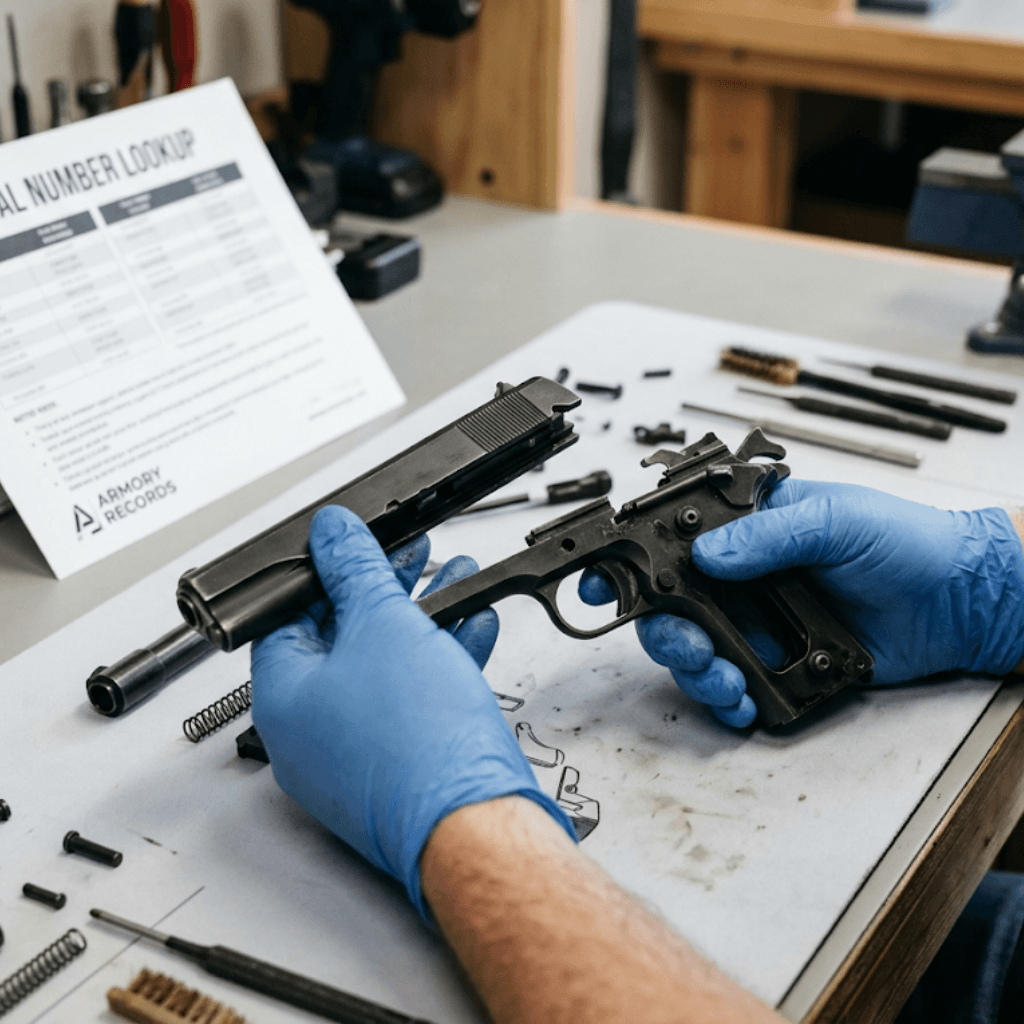
Sig Sauer announced the Sig Sauer P320 AXG Trigger Assembly Recall 2026 as a voluntary action, citing a defect in the trigger assembly. Based on available information, the concern involves trigger components that may not function within Sig’s own safety specifications under certain conditions. Sig has not published full technical details at the time of this writing, so check sig.com for the most current recall documentation before you do anything else.
One thing worth clearing up right away. The Sig Sauer P320 AXG Trigger Assembly Recall 2026 is not the same issue as the 2017 P320 drop-fire controversy. That recall addressed the pistol discharging when dropped at a specific angle without the trigger being pulled. This recall targets the AXG platform specifically and involves the trigger assembly itself. Different defect. Different fix. If you went through the 2017 voluntary upgrade, that does not cover you here.
Recalls happen. They are part of how a responsible manufacturer handles a discovered defect before anyone gets hurt. The fact that Sig issued this voluntarily is the system working as intended. Your job is to participate in it.
How Do You Check If Your P320 AXG Serial Number Is Affected?
Not every P320 AXG is affected. The Sig Sauer P320 AXG Trigger Assembly Recall 2026 is tied to a specific serial number range and production date window. Here is how to find out where your gun stands.
- Step 1: Go to sig.com and navigate to their Recalls or Customer Service section. Look for the Sig Sauer P320 AXG Trigger Assembly Recall 2026 page. This is the only authoritative source for which serial numbers are included.
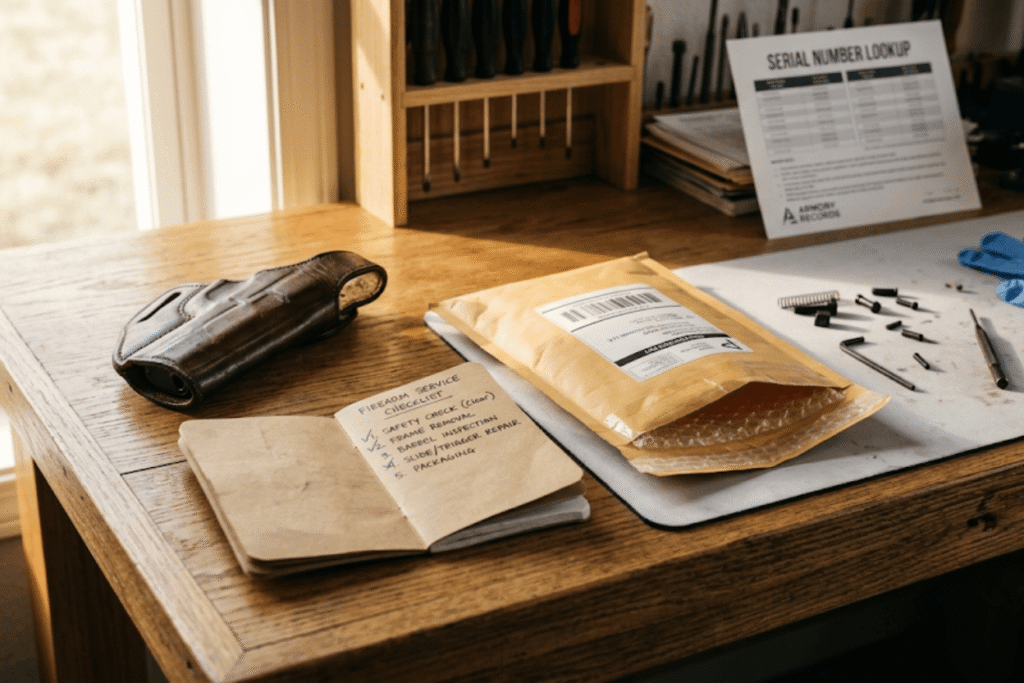
- Step 2: Find your serial number. It is stamped on the frame of your P320 AXG, typically on the left side below the slide. It is also on your original purchase paperwork.
- Step 3: Enter your serial number in Sig’s lookup tool. If your pistol is in the affected range, the page will tell you what to do next. If it is not in range, you will get confirmation that you are clear.
- Step 4: If you cannot access the website or want to confirm directly, call Sig Sauer customer service. Their number is listed on sig.com. Do not rely on third-party forums for the number. Verify it from the source.
If you are in the affected serial number range, stop carrying the gun. Now. Before you read the next section.
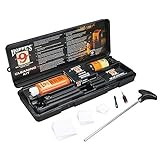
- Plastic storage box
- Hoppe's No. 9 cleaning kit with aluminum rod
- Includes one 2 ounce bottle cleaning solvent and one 2.25 ounce lubricating oil
Last update on 2026-10-05 / Affiliate links / Images from Amazon Product Advertising API
What Should P320 AXG Owners Do Right Now?
This is the section most recall coverage skips. They tell you the recall exists. They tell you to contact Sig. Then nothing. Here is the complete action list for responding to the Sig Sauer P320 AXG Trigger Assembly Recall 2026.
- Stop carrying the P320 AXG immediately. This is inconvenient. Do it anyway. Carrying a pistol with an acknowledged trigger assembly defect creates two separate risks: a potential equipment failure at the worst possible moment, and serious legal exposure if you are ever involved in a defensive shooting while knowingly carrying a recalled firearm. Both risks are avoidable.
- Check your serial number against Sig’s official recall lookup page at sig.com. Do not skip this step, assuming you are affected or not affected. Verify it.
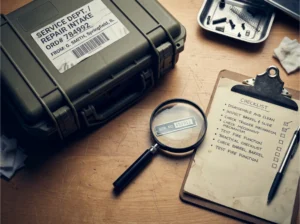
- Register your pistol for the recall repair through Sig’s official portal. Sig will provide instructions for shipping or depot service for the Sig Sauer P320 AXG Trigger Assembly Recall 2026. Follow their process exactly and keep a copy of your confirmation.
- Identify your interim carry option. A backup carry gun is an essential part of any response to the Sig Sauer P320 AXG Trigger Assembly Recall 2026. Do you have one you have shot recently? This matters more than most people think. A Glock 19 sitting in your safe for eight months is not your verified carry option. It is a gun you used to know how to use.
- Run at least one focused range session with your backup gun before carrying it. This does not have to be a full training day. Draw from your carry holster, confirm your grip and sight picture, and put 50 rounds through it at realistic defensive distances, between 3 and 7 yards, to confirm the gun feeds, fires, and ejects consistently. If you cannot hit a man-sized target consistently at 5 yards from the draw, you are not ready to carry that gun.
- If you do not have a verified backup gun, see the alternatives section below. Choosing a different carry pistol while the Sig Sauer P320 AXG Trigger Assembly Recall 2026 repair is in progress is a better option than carrying a recalled firearm or going without.
- Keep records of everything. Save the recall confirmation email. Write down the date you stopped carrying. Document the date you shipped the gun. This documentation matters if the legal question ever comes up.
- When your repaired gun comes back from Sig, do a function test before putting it back in carry rotation. Run at least 50 rounds through it to verify the repair and confirm reliable function. A fresh clean and inspection does not hurt either.
Eight steps. That is the complete response to the Sig Sauer P320 AXG Trigger Assembly Recall 2026. Most carriers can complete steps one through four today.
What Are the Best CCW Alternatives While Your P320 AXG Is Out for Repair?
If the AXG is heading back to Sig under the Sig Sauer P320 AXG Trigger Assembly Recall 2026 and you need a carry gun in the meantime, here are three platforms worth considering. These are opinions based on platform track records and carry popularity, not certified performance rankings. Prices are approximate and will vary by retailer and region.
- Sig Sauer P365 (approximately $499)
If you already own Sig products and are comfortable with Sig’s controls, the P365 is the logical bridge gun. It is a compact striker-fired pistol with a 10+1 standard capacity, a trigger that most shooters find comfortable out of the box, and a track record of several years in wide carry use. It is smaller than the AXG, so expect a different grip feel and a shorter sight radius. Run a range session with it before trusting it on your hip. - Glock 19 (approximately $549)
The G19 is the benchmark for a reason. More holster options, more aftermarket support, and more shooters with documented experience on this platform than almost anything else in the carry market. It is a mid-size pistol with a 15+1 capacity, a well-documented reliability record, and a trigger that is different from the AXG’s metal frame feel. If you have never shot a Glock, budget time at a rental range before committing. For a full breakdown of this platform, see our [Glock 19 review]. - Springfield Hellcat (approximately $479)
The Hellcat punches above its size category. 13+1 capacity in a micro-compact frame with an OSP optics-ready cut on most current models. It has earned strong reliability marks in independent testing, in our opinion. If your primary need during the Sig Sauer P320 AXG Trigger Assembly Recall 2026 is deep concealment with solid capacity, this is worth a serious look. Smaller grip surface means your range session matters even more here. Confirm you can manage it under time pressure before relying on it.
For a broader look at options, check our guide to the [best concealed carry pistols] for updated comparisons across categories and price points.

- Gun lock is best used to secure handguns, rifles, pistols and shotguns to prevent accidential or unauthorized use.Note...
- Gun lock is constructed from laminated steel for strength and security
- Cable is made from braided steel for strength and flexibility; protective vinyl coating prevents scratching

Last update on 2026-10-06 / Affiliate links / Images from Amazon Product Advertising API
Affiliate Disclosure: This article contains affiliate links. If you purchase a product through one of these links, GunCarrier.com may earn a small commission at no additional cost to you. Our editorial recommendations are not influenced by affiliate relationships.
What Mistakes Do P320 AXG Owners Make During a Recall, and How Do You Avoid Them?
We see the same errors every time a recall drops. Avoid these when navigating the Sig Sauer P320 AXG Trigger Assembly Recall 2026.
- Continuing to carry the recalled gun while waiting for the paperwork to be processed. This is the most common mistake owners make during the Sig Sauer P320 AXG Trigger Assembly Recall 2026. The moment Sig acknowledges a trigger assembly defect, carrying that pistol creates legal exposure that no defensive shooting outcome can undo. Andrew Branca’s use-of-force case analysis is consistent on this point: a plaintiff’s attorney will present your knowledge of the recall to a jury if you ever need your gun in a defensive situation. Do not give them that tool.
- Assuming the Sig Sauer P320 AXG Trigger Assembly Recall 2026 is the same as the 2017 P320 drop-fire issue. They are separate events affecting different components and different models. Going through the 2017 voluntary upgrade does not address the 2026 trigger assembly recall. Check your serial number against the current recall, not old documentation.
- Grabbing a backup gun and carrying it without first doing a range session. A pistol in the safe is not a verified carry gun. Karl Rehn’s training research is consistent on this: switching platforms without confirming your proficiency creates a different safety problem. You do not have to be an expert. You do have to verify basic function and your own performance before you trust your life to it.
- Sending the gun in without keeping any record of the transaction. Keep your recall confirmation—document when you sent it. If the gun is lost in transit or there is a dispute about repairs, your records are your only protection.
- Skipping the function test when the repaired gun comes back. A manufacturer recall repair should be treated like any new-to-you firearm before carry. Run it at the range. Confirm the repair holds. Confirm it feeds your carry ammunition reliably. Then put it back in rotation.
The Sig Sauer P320 AXG Trigger Assembly Recall 2026 Does Not End Your Carry Commitment
A recall does not mean the P320 AXG is a bad gun. It means Sig found a problem and is fixing it before anyone gets hurt. That is how responsible manufacturers operate. The Sig Sauer P320 AXG Trigger Assembly Recall 2026 is the system working correctly, and your response is what makes it work for you.
Your part in this is straightforward. Stop carrying it. Check your serial number. Register for the repair. Sort out your interim carry situation. Keep records. When it comes back, test it before trusting it again.
Carrying responsibly means carrying a firearm you have verified is safe and that you have trained with. A recalled trigger assembly fails both tests until Sig clears it under the Sig Sauer P320 AXG Trigger Assembly Recall 2026. That is not an opinion. That is the situation.
Disclaimer: The information in this article is for general educational purposes only and does not constitute legal advice. Recall status, affected serial numbers, and repair timelines are subject to change; always verify current information directly at sig.com and consult a licensed firearms attorney in your state before making any decisions based on the legal content presented here.

Last update on 2026-10-06 / Affiliate links / Images from Amazon Product Advertising API
Frequently Asked Questions
-
Is the Sig Sauer P320 AXG Trigger Assembly Recall 2026 the same as the 2017 drop-fire issue?
No. The 2017 voluntary upgrade addressed a drop-fire defect in the original P320 platform. The 2026 recall targets the AXG platform specifically and involves a separate trigger assembly defect. If you completed the 2017 upgrade, you still need to check your AXG serial number against the current recall at sig.com.
-
Can I keep carrying my P320 AXG if I haven’t confirmed whether my serial number is affected?
No. Until you verify your serial number through Sig’s official recall lookup tool, treat the gun as potentially affected and do not carry it. The lookup takes minutes and eliminates the guesswork entirely.
-
What legal exposure does carrying a recalled firearm create?
If you are involved in a defensive shooting while knowingly carrying a firearm under an active recall, opposing counsel in any subsequent civil or criminal proceeding can present your knowledge of that recall to a jury. Legal self-defense experts have consistently flagged this as a material risk that no defensive outcome can undo.
-
How soon will Sig Sauer repair my P320 AXG under the 2026 trigger assembly recall?
Repair timelines depend on Sig’s current service volume. Check sig.com for the current estimated turnaround. Register promptly, because earlier registration typically means earlier service.
-
Do I need to test my gun after it comes back from the recall repair?
Yes. Treat the returned firearm as you would any new-to-you gun entering carry rotation. Run at least 50 rounds through it, confirm reliable feeding and ejection with your carry ammunition, and inspect trigger function before putting it back in service.
Lock in your vote and tell us👇