
Quick Look
What Are CCW Training Requirements, and Why Do They Vary So Much by State?
CCW carrier training requirements are the first thing that confuses almost every new carrier, and the confusion is legitimate. One state might hand you a permit with zero classroom hours. The state next to it might require sixteen hours, a written exam, and a scored live-fire qualification. Neither state is wrong. Each sets its own rules for who can carry and what they must prove first.
The state you live in sets your training floor, and no two states set it the same way. For a full breakdown of carry rules beyond training, see GunCarrier’s Gun Laws by State guide.
Most first-time carriers assume there is a single national standard, then get blindsided when their neighbor’s requirement does not match their own. As one frustrated new carrier put it on a popular concealed carry forum, “What about this makes any sense?” That question is fair. CCW carrier training requirements are not standardized and they change almost every legislative session.
Reading a single national roundup of CCW carrier training requirements will not substitute for checking your own state directly, but it will tell you what question to ask. This guide breaks down where the requirement sits state by state, and what to do once you know it. If you just got your permit and want the full first-90-days rundown, GunCarrier’s Complete CCW Guide for new carriers covers gear, dry-fire, and legal basics beyond training hours alone.
Which States Require No Training at All for Concealed Carry in 2026?
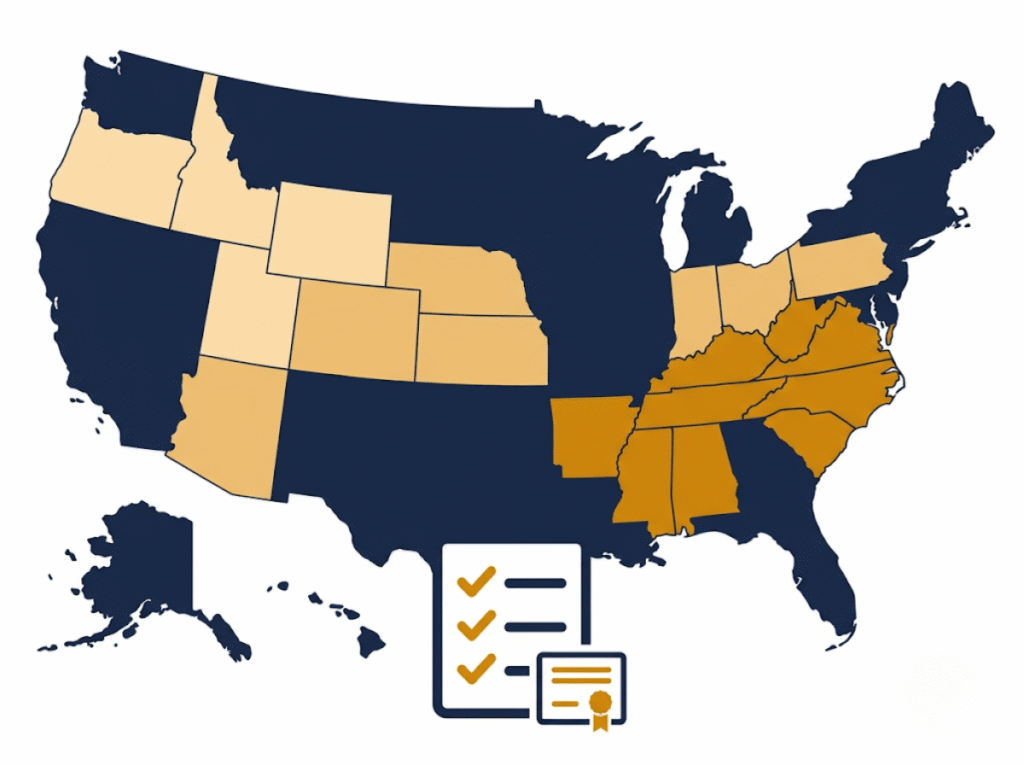
As of 2026, 29 states allow permitless concealed carry, meaning eligible adults can carry a concealed handgun without a state permit or a mandated class first. That is well over half the country. Age minimums still apply, typically 18 to 21, depending on the state, and permitless status never removes the underlying eligibility rules: no felony convictions, no disqualifying mental health adjudications, no domestic violence convictions.
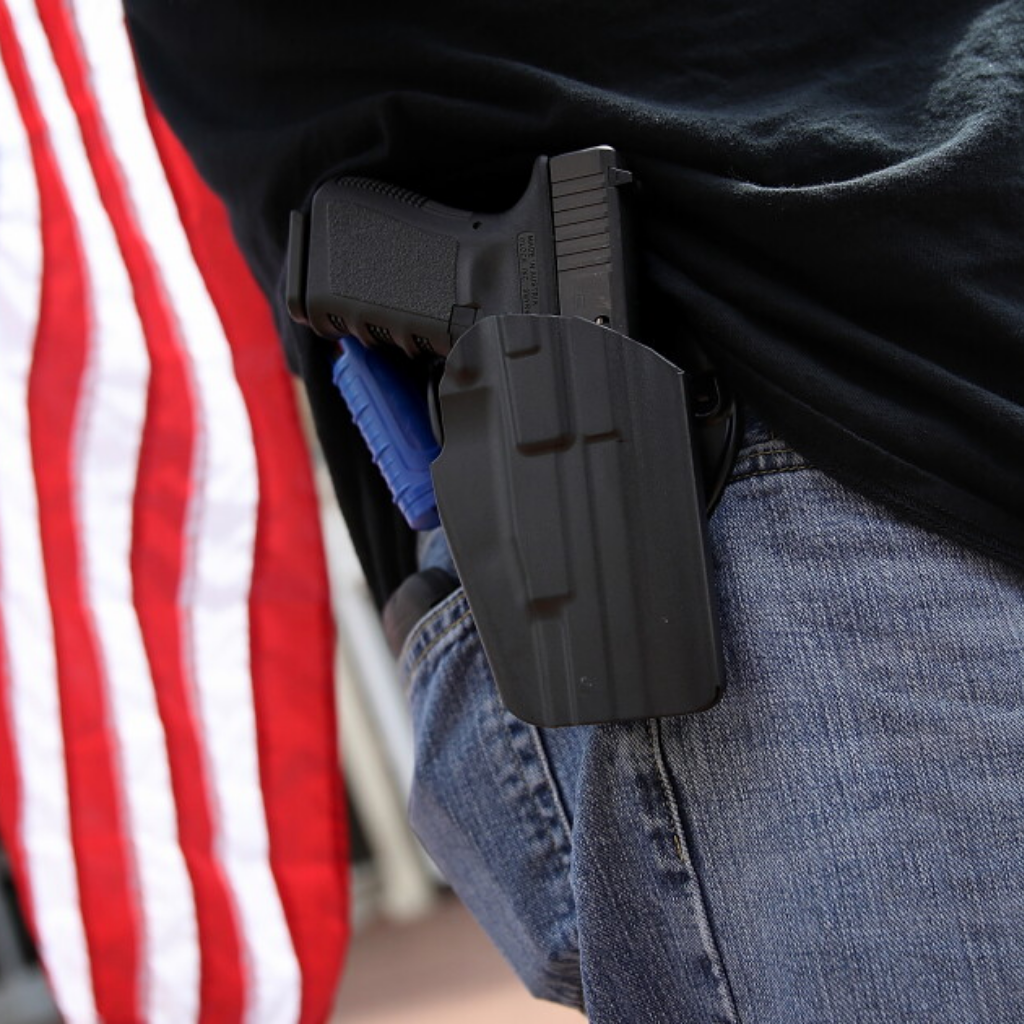
Permitless carry removes the mandate, not the option. Montana is a clean example. The state requires no training, course, or background check gate beyond federal possession eligibility to carry concealed without a permit, confirmed in GunCarrier’s Montana Permitless Carry guide. Indiana works the same way. Indiana’s permitless carry law took effect July 1, 2022, for residents 18 and older, with no state-mandated safety course attached to that basic right, per Indiana’s own permitless carry page.
That said, permitless does not mean the training path disappears entirely. This is the flexible side of CCW carrier training requirements that gets lost in permitless-carry headlines: every permitless state we reviewed still keeps an optional licensed permit on the books, usually for out-of-state reciprocity, and that optional license often comes with a real course attached. New Mexico is the clearest example.
Its optional concealed handgun license requires 15 hours of DPS-approved classroom and range instruction, even though the state’s underlying carry right needs no permit at all, as GunCarrier’s New Mexico Constitutional Carry guide explains in detail. It is a useful reminder that CCW carrier training requirements can attach to the optional credential even in a state with no mandatory permit at all.
CCW carrier training requirements at the state level are best treated as a floor, never a ceiling. In permitless states, the legal bar is gone, but the safety bar is still yours to clear.

Last update on 2026-10-18 / Affiliate links / Images from Amazon Product Advertising API
Which States Require a Class but No Live-Fire Qualification?
A smaller group of states sits in the middle: they require a class, but not a live range test as part of getting the permit. CCW carrier training requirements in this tier can look deceptively simple on paper. Washington is a clear current example. Its concealed pistol license process requires no range training today, confirmed directly on the Washington State Department of Licensing site, though a future permit-to-purchase law is scheduled to add certified in-person training before it takes effect.
This middle tier is the least stable of the three and the most likely to move by your next renewal. States move in and out of it as legislatures amend their statutes, so a state that required only a classroom hour last year might add a live-fire component next session. That is exactly the kind of gap CCW training rules at this tier tend to leave open. If your state falls here, treat the class as covering the legal knowledge box and treat live-fire proficiency as a task you take on yourself.
Which States Require Live-Fire Qualification, and How Many Hours?
At the strict end, several states require set hours plus a scored live-fire qualification. Colorado now requires 8 hours of instruction, including a live-fire exercise and written exam, a standard that took effect in July 2025 for new applicants and renewals, detailed in Colorado’s HB24-1174. California’s SB 2 goes further, mandating a 16-hour course covering firearm safety, state law, a mental health awareness component, and a live-fire qualification, codified in California’s official SB 2 bill text.
Eight hours in Colorado and sixteen hours in California both satisfy the same category of law, a mandatory live-fire qualification, at very different costs in time. These numbers are not fixed. CCW carrier training requirements reach their strictest form in states like these, and this tier is the one most likely to shift again, since it draws the most legislative attention. If you are in a live-fire state, treat passing that qualification as clearing your legal floor only. A passing score tells you that you met the state’s minimum, not that you are prepared for a real, close-range, low-light encounter, which looks nothing like a static qualification target.

- Four colors in a sleek modern look and wears very well over time.
- Excellent all round sports frame - safety, shooting, biking and running.
- Clear polycarbonate lens 100%UVA & UVB protection in Z87.1 safety standard.
Last update on 2026-10-18 / Affiliate links / Images from Amazon Product Advertising API
Does Meeting Your State’s Minimum Mean You’re Actually Ready to Carry?
This is the honest tension at the center of CCW carrier training requirements, and GunCarrier is not going to pretend it does not exist. One side of the argument says most gun owners are nowhere near a real defensive standard, and the industry should demand more from every carrier regardless of state minimums. The other side, backed by the same incident data, points out that most real defensive gun uses resolve in seconds, at very close range, with very few rounds fired, meaning the realistic bar for “adequate” is lower than the demand-more camp implies.
Both are right, and which one matters more to you depends on what your state already requires. That is the real question a training certificate alone cannot answer for you.
If your state is permitless, there was no floor to begin with, so “adequate” becomes something you set for yourself. If your state required a class with no live fire, that class covered your legal knowledge gap, not your shooting skill gap. If your state required live-fire qualification, you cleared a real minimum, but passing once under low-stress range conditions is not the same as being tested. Matching your effort to your state’s CCW carrier training requirements is only the first step.

- Simple and Elegant Certificate Holder
- Leatherette Finish
- Ideal for A4 Documents
Last update on 2026-10-18 / Affiliate links / Images from Amazon Product Advertising API
How Do You Choose Training Beyond the Legal Minimum?
Once you know your state’s floor, the next decision is what to build on top of it, based on your actual life, not a generic “tactical” package.
Start by defining your own situation: where you spend your time, who you are usually with, and what your realistic risk looks like. A rural carrier and a daily public-transit rider are not solving the same problem, even under the same CCW carrier training requirements. State training rules alone cannot tell you what to add next; only your actual routine can.
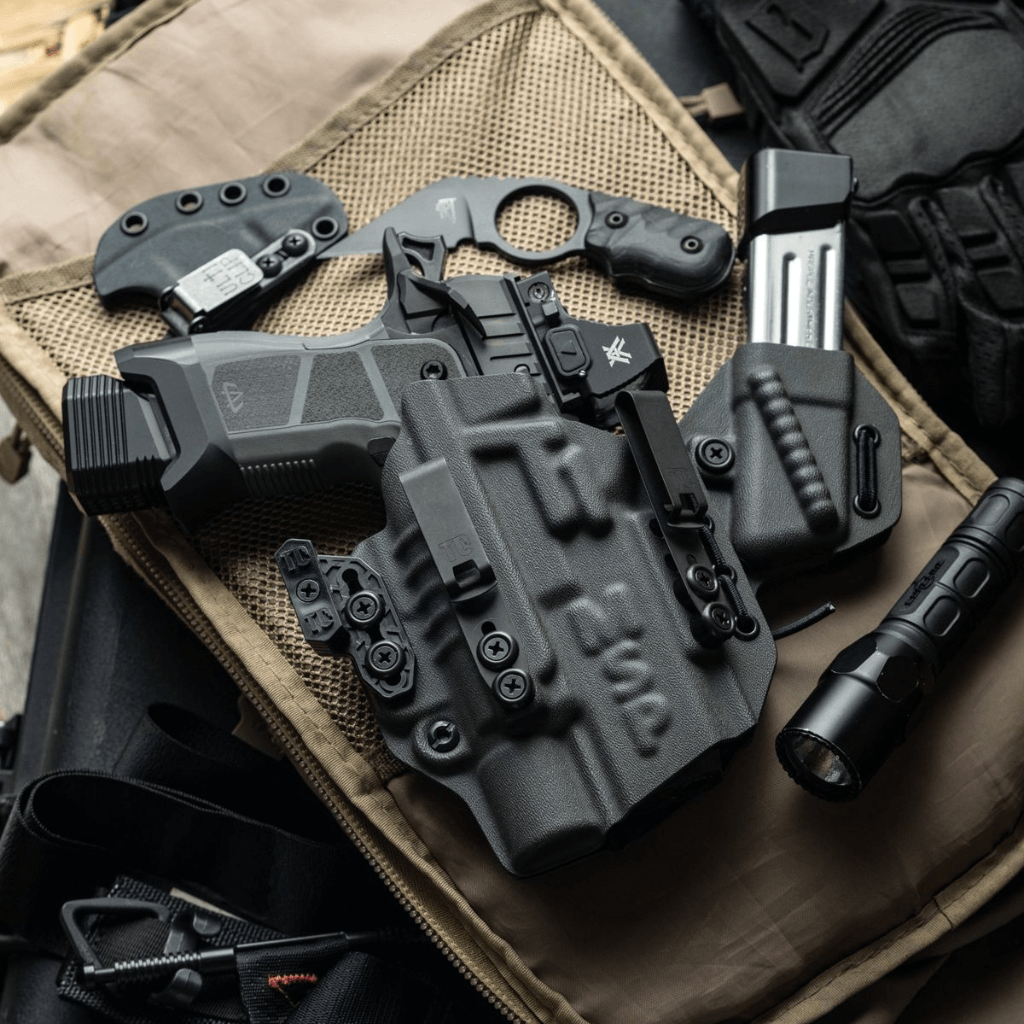
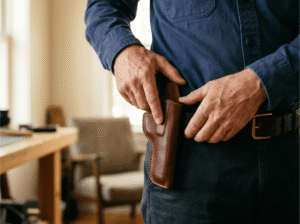
Then test the thing your state’s class almost never tests: your draw, from concealment, in the clothes you actually wear. Not the range of clothes you wore to your qualification. A clean draw from your real-world carry position, practiced consistently, closes more of the gap than any other certificate ever will. GunCarrier’s guide to switching your carry gun covers how to reset and re-test your drawstroke any time your setup changes.
Your State Sets the Floor, So How Do You Decide the Ceiling?
CCW carrier training requirements tell you the minimum your state will accept before handing you a permit, or, in permitless states, before you are allowed to carry at all. They were never designed to tell you whether you are actually ready. That gap is yours to close, and closing it starts with knowing exactly where your state’s floor sits today, because that floor moves more often than most carriers realize.
Confirm your current state requirement directly with your state police or attorney general’s office before you enroll in a class or apply for a permit. State training rules shift almost every legislative session, so treat this page as a starting point, not a substitute for that verification. CCW carrier training requirements are only the starting line. Then build your training plan on top of a floor you actually confirmed.
Check out this video from Colion Noir.
Frequently Asked Questions
-
Do all states require training to get a concealed carry permit?
No. As of 2026, 29 states allow permitless concealed carry, meaning no state-mandated class is required for eligible adults. The remaining shall-issue and may-issue states each set their own training rules, ranging from a short classroom-only course to a mandatory live-fire qualification, so confirm your specific state before assuming any requirement applies.
-
Does a permitless carry state mean no training is required at all?
Permitless carry removes the state’s training mandate for the basic right to carry, but most permitless states still offer an optional licensed permit for reciprocity, and that optional license often keeps a real training requirement. New Mexico’s optional license, for example, still requires 15 hours of instruction. Permitless status never removes your personal responsibility to train on your own.
-
How many hours of training do the strictest states require?
Requirements vary widely by state. Colorado now requires 8 hours, including a live-fire qualification, and California’s SB 2 mandates a 16-hour course covering safety, state law, and live fire. These numbers change with each legislative session, so confirm your state’s current hour requirement directly with your state police before enrolling.
-
Is live-fire practice always part of the required class?
Not always. Some states only require classroom instruction with no range time, while others mandate a scored live-fire qualification. Washington’s concealed pistol license currently requires no range training, though that is scheduled to change under a future permit-to-purchase law, so verify the current status before assuming your state’s rule.
-
Can military service or law enforcement experience satisfy the training requirement?
In several states, yes. Some accept a DD-214 showing firearms qualification, active law enforcement certification, or documented competitive shooting experience in place of the standard class. The specific proof required and which service records qualify differ by state, so confirm accepted documentation with your permitting agency before applying.
-
If my state doesn’t require training, should I skip it anyway?
Meeting the legal minimum and being prepared to carry safely are two different things. Most real defensive encounters happen at close range with few shots fired, and a state exemption from training doesn’t change that reality. Voluntary training remains the only way to build and document real, tested skills.
-
Does completing the state-required class make me legally protected if I ever have to use my firearm?
A completed class document that you met your state’s minimum requirements, which can support your case, but it isn’t a legal shield by itself. Courts and prosecutors evaluate the specific facts of an incident. Talk with a licensed firearms attorney in your state about how a training record factors into a defense.
-
Are CCW training requirements the same for renewals as they are for a first permit?
Usually not. Many states set a shorter renewal requirement than the initial class, sometimes a brief refresher with a live-fire re-qualification, such as Colorado’s 2-hour renewal option. Renewal rules change frequently too, so confirm your state’s current renewal training requirement well before your existing permit expires.
-
Will my out-of-state training satisfy my home state’s requirement?
Sometimes, but not automatically. Many states accept an approved course taken elsewhere if it covers the required topics, while others only recognize in-state, state-certified instructors. Reciprocity for the permit itself is also separate from training recognition, so confirm both with your issuing state’s licensing agency directly.
-
Where can I find my state’s current, official training requirement?
Go directly to your state police, department of public safety, or attorney general’s website rather than a general gun blog. State CCW laws change every legislative session, and an official source reflects the current requirement instead of information that may already be a year or more out of date.
-
Is Indiana’s concealed carry law permitless with no training required?
Yes. Indiana has allowed permitless carry since July 1, 2022, for residents 18 and older, with no state-mandated safety course attached to that basic right. Indiana still offers an optional licensed permit, mainly for reciprocity when traveling. Confirm the current status directly with the Indiana State Police before relying on this for your own carry decision.
-
What happens if I move to a state with a stricter live-fire requirement?
You generally must meet your new home state’s current minimum before carrying there, regardless of what your prior state required or what training you already completed. Some states accept out-of-state certificates toward their own requirement and some do not, so confirm with the new state’s licensing authority directly before you carry.
Lock in your vote and tell us: Why is this the right call?👇