
Quick Summary
- Retention is about weapon control in real-world, close-contact situations and not being “tactical.”
- Most women benefit from secure passive retention for daily concealment; higher-contact routines may justify active retention.
- Focus on safety fundamentals: trigger coverage, stable attachment, intuitive operation, and consistency.
- Match the carry style to your life (IWB, OWB, hybrid, off-body) and prioritize the setup you’ll actually carry every day.
Related: Best Shoulder Holster for Women
Safety note: This article is educational and non-instructional. Always follow the 4 rules of firearm safety, and get hands-on training from a qualified instructor.
Why a Retention Holster for Women is Essential for Self-Defense
In real life, self-defense starts with weapon control, not speed. The safest draw is the one you can make without losing your firearm during the moments that matter most: crowding, grabbing, bumping, wrestling, or a sudden close-range encounter.
For many women, risk factors tilt toward close-contact environments: commuting, shopping, elevators, parking garages, public transit, workplace interactions, and situations where someone can get inside your “personal bubble” quickly. In those moments, a firearm that’s easy for you to access but also easy for someone else to take is not a confidence-builder. It’s a liability. That’s where holster retention earns its place as a core safety feature. Modern retention concepts come from decades of law enforcement lessons learned about preventing weapon loss during physical contact and surprise struggles. Retention “levels” aren’t universally standardized across brands, but the guiding idea is consistent: the holster should help keep your firearm secured to your body and under your control
What Is a Retention Holster?
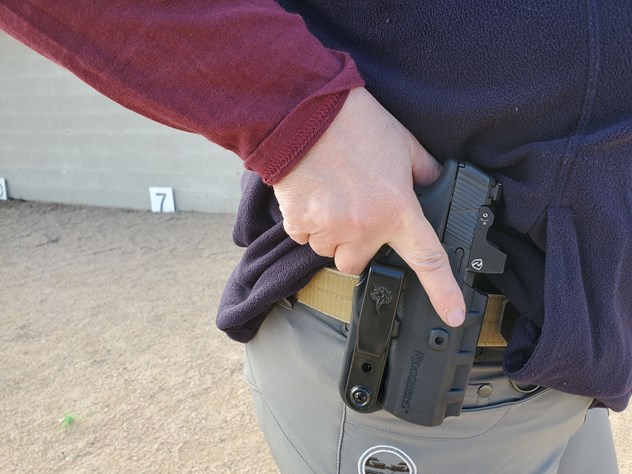
A retention holster is a holster designed to hold the firearm securely during daily movement and during unexpected contact (like a shove, grab, stumble, or fall). Retention is about resisting unintended removal. Whether from gravity, clothing snag, or another person’s hands.
Passive vs. active retention (high-level)
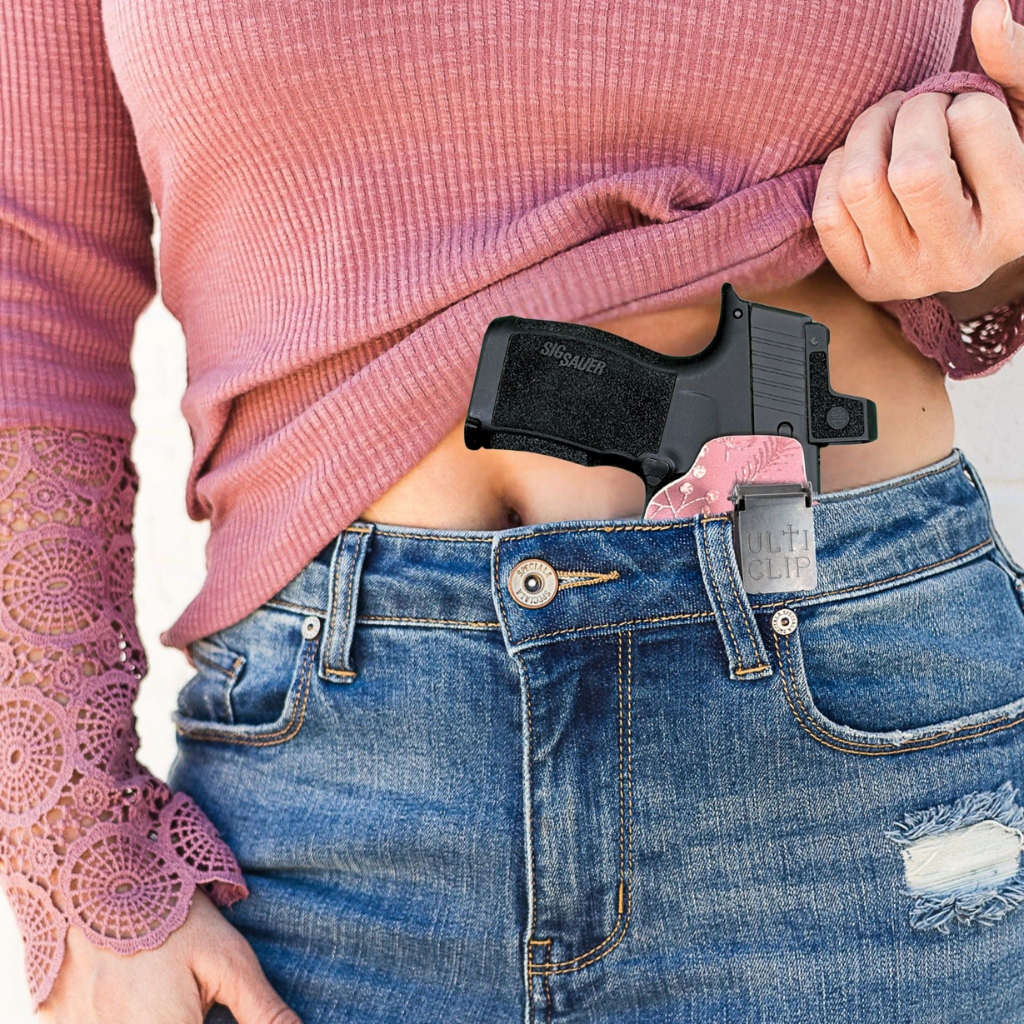
- Passive retention: “Friction/tension” holding the gun in place (common with quality Kydex IWB holsters). You’ll often feel a secure “click” or consistent resistance.
- Active retention: A mechanical device (like a lock, hood, or lever) that must be intentionally disengaged during a normal draw. Many duty-style holsters use this approach.
Why retention matters in real-world self-defense
If a threat gets close enough to touch you, they’re close enough to grab at what they can see or feel. Including your beltline, bag, or waistband. Retention is the difference between:
- “My firearm stays where it belongs,”
- “I’m now fighting over my own firearm.”
Retention Levels Explained (IACP-Informed Overview)
Retention “levels” are often described in a simple ladder: Level I, Level II, Level III. Think of it as increasing layers of protection against loss during physical contact. Many brands define levels by the number of distinct actions needed to draw, and not every manufacturer labels levels identically.
Level I: Passive retention (friction/tension)
- Typically relies on a tight fit and adjustable tension
- Common for concealed carry IWB holsters
- Best for: lower-contact environments where concealment is the priority
Level II: One active retention device
- Adds a single mechanical step that’s designed to be intuitive under stress
- Best for: higher-contact settings, open carry, or situations where you expect crowding
Level III: Multiple retention mechanisms
- Uses multiple security features, typically associated with law-enforcement duty holsters
- Best for: very high-contact environments (security work, some outdoor roles, frequent physical interaction)
How this translates from law enforcement to civilian carry (especially for women):
Professional policing emphasizes preventing weapon loss during hands-on encounters, which is why retention holsters are treated as safety equipment, not “tactical accessories.” The civilian translation (as echoed in Cloudster’s women’s carry guidance) is choosing a carry setup that matches your clothing and lifestyle while still prioritizing a secure retention system, especially when you’re moving through public spaces and close quarters.
Why Retention Is Especially Important for Women
Physical size and strength disparities
No stereotypes, just practical safety planning: many women may face an attacker with a size/strength advantage, which increases the importance of equipment that helps you keep control during contact.
Higher likelihood of close-range interactions
Workplace conversations, crowded transit, social spaces, and “routine” proximity (like a stranger standing too close) can turn into a grab in a second.
Public and daily-life environments
In day-to-day contexts, shopping, commuting, and events, your goal is quiet readiness: secure, discreet, and consistent.
Risks of purse or off-body carry without retention
Off-body carry (purses, totes, bags) creates more opportunities for separation, snatching, or fumbling. If you do off-body carry, retention and compartment security become non-negotiable, and consistency matters even more.
If your lifestyle includes crowding, public contact, or professional dress, retention isn’t “extra.” It’s part of safe carry.
Key Safety Features Women Should Look For in a Retention Holster
- Full trigger coverage
A safe holster fully covers the trigger guard and holds the firearm in a stable, predictable position. - Intuitive retention release (if active retention)
A release should be simple, consistent, and not dependent on tiny, delicate movements. (Avoid anything you can’t operate reliably under stress.) - One-handed accessibility under stress
You should be able to access the firearm without needing two hands or excessive repositioning. - Secure attachment to the belt or waistband
A great holster with weak clips is still weak. Look for sturdy belt clips/loops and stable mounting hardware. - Resistance to twisting, pulling, or dislodging
Especially relevant for women’s clothing cuts, softer waistbands, and higher movement days.
Retention Holster Types for Women’s Self-Defense (By Carry Style)
IWB retention holsters (inside the waistband)
- Safety benefits: Strong concealment + passive retention is often enough for many daily routines.
- Comfort considerations: Ride height, cant, and body contouring matter more on varied body types. Adjustable designs help.
- Best self-defense use cases: Everyday public carry, commuting, errands, and professional settings.
OWB retention holsters (outside the waistband)
- Safety benefits: Easier access and often better options for active retention (like ALS/GLS systems).
- Comfort considerations: Needs concealment support (cover garment) and a supportive belt.
- Best self-defense use cases: Travel days, high-contact public spaces, outdoor activity where a jacket/overshirt is normal.
Hybrid retention designs (comfort-focused IWB)
- Safety benefits: Passive retention with a broader backing can improve stability and comfort. Some hybrid systems also allow retention tuning.
- Comfort considerations: Bulk and heat can be factors; choose quality materials.
- Best self-defense use cases: Long drives, office wear, extended daily carry.
Off-body retention systems
- Safety benefits: A dedicated CCW bag can keep the firearm in a consistent place with modular retention options.
- Comfort considerations: You must control the bag at all times; this method is less forgiving.
- Best self-defense use cases: Limited cases where on-body is genuinely incompatible, paired with strict habits and a dedicated compartment.
Balancing Retention, Comfort, and Accessibility
“Maximum retention” is not automatically ideal. More security can add bulk and complexity. The best choice is the one you can carry every day, operate consistently, and keep secure during normal life.
- If you’re mostly in low-contact routines, a high-quality IWB with solid passive retention may be appropriate.
- If you’re frequently in crowds, public transit, or close-contact work, consider stepping up to active retention (often easier to find in OWB designs).
Prioritize adjustability for women’s clothing and body variability across seasons (summer vs. jackets, dresses vs. jeans). Systems designed to work without a belt can help with wardrobe flexibility
Best Retention Holsters for Women (By Carry Style)
When selecting the best retention holsters for women, it’s crucial to consider both safety features and comfort. Below, we’ve highlighted some top choices based on different carry styles and self-defense needs.
IWB / Concealed
1) Vedder LightTuck (IWB)
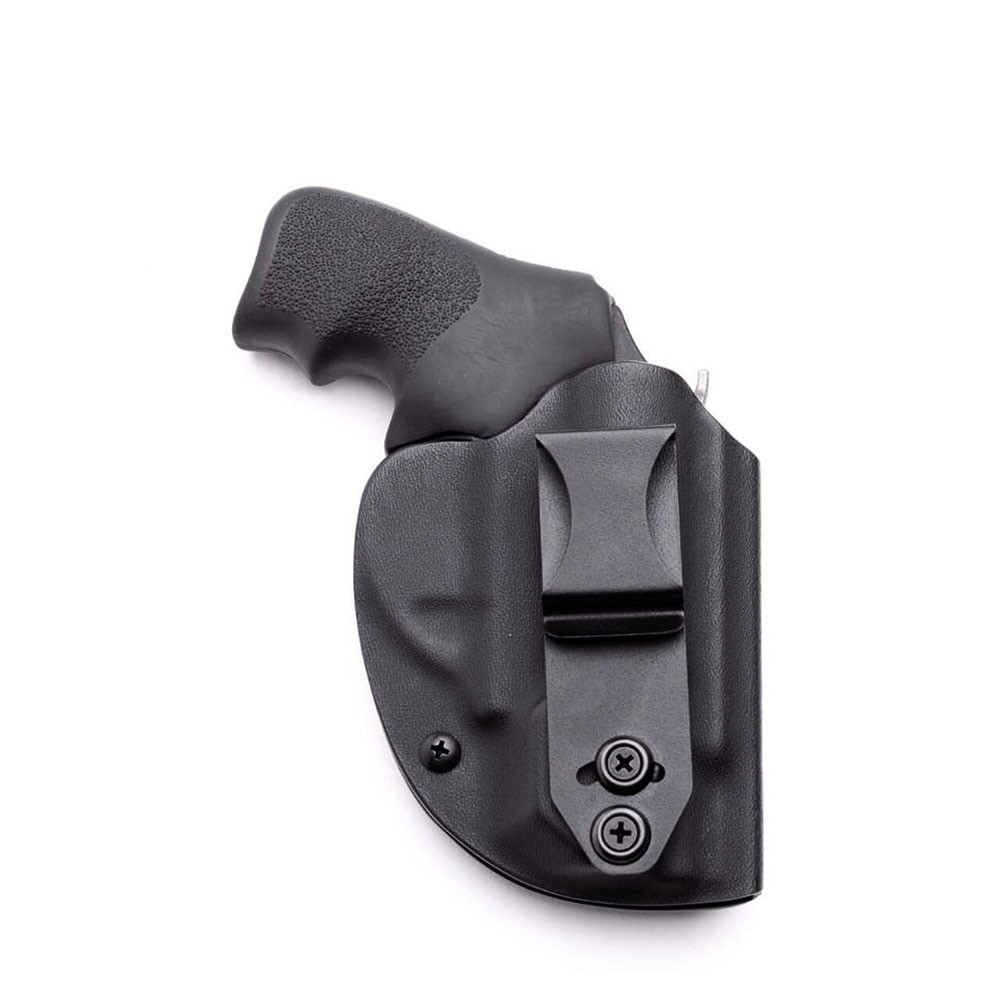
- Retention type: Level I (passive, adjustable)
- Carry position: IWB (varies by setup)
- Safety highlights: adjustable retention; consistent molded fit
- Ease of draw: High (simple draw stroke)
- Best for: daily carry, errands, commuting
- Price range: about $70
2) PHLster Skeleton (minimalist IWB/AIWB shell)
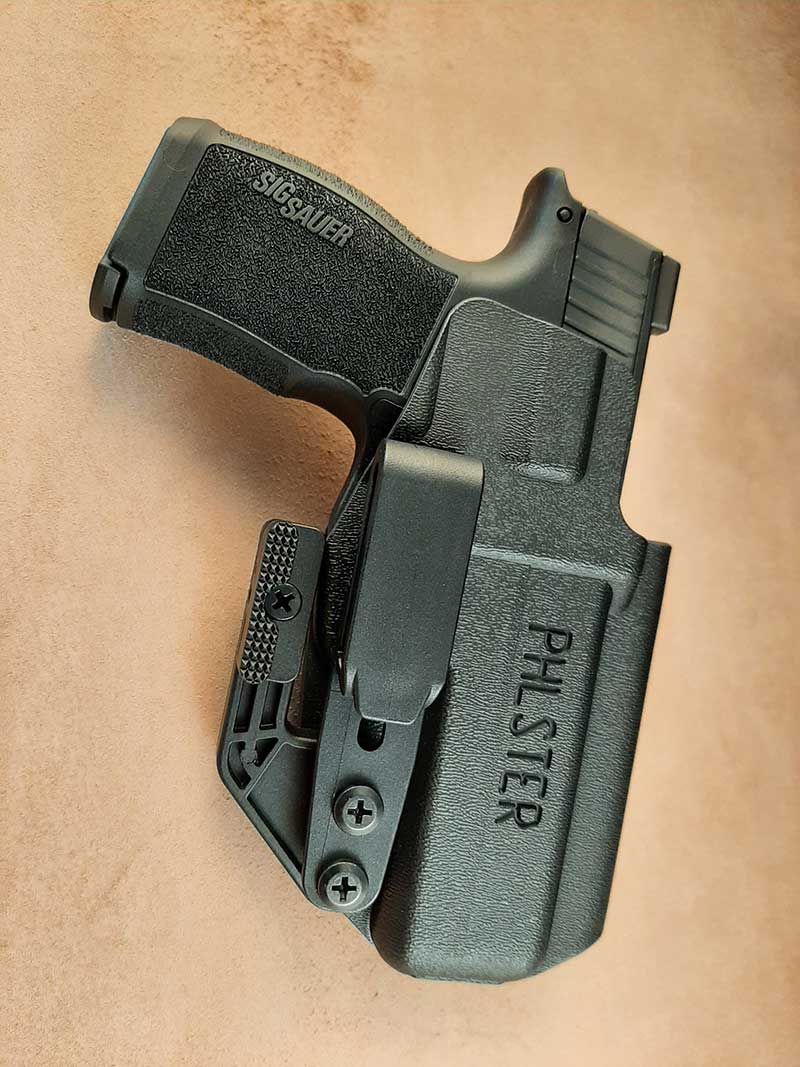
- Retention type: Level I (adjustable retention)
- Carry position: IWB/AIWB (setup dependent)
- Safety highlights: minimalist design with adjustable retention
- Ease of draw: High
- Best for: women who want low bulk and strong concealment
- Price range: about $88
3) PHLster Enigma Express (beltless carry system)
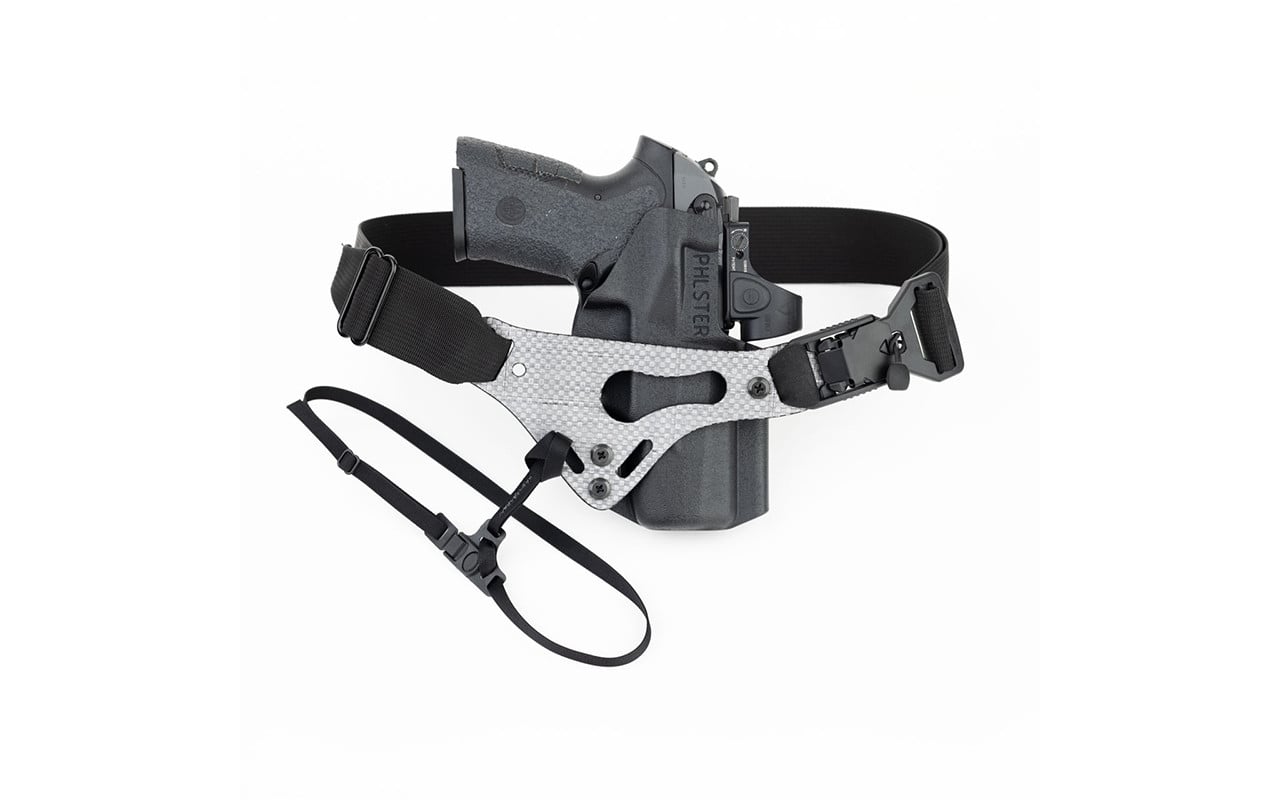
- Retention type: depends on the included shell (generally Level I passive), but the system improves stability
- Carry position: beltless, under many outfits
- Safety highlights: consistent placement without relying on belt loops
- Ease of draw: Medium-High (requires setup and practice)
- Best for: dresses, leggings, athletic wear, beltless days
- Price range: about $154
4) Safariland Incog X (IWB)
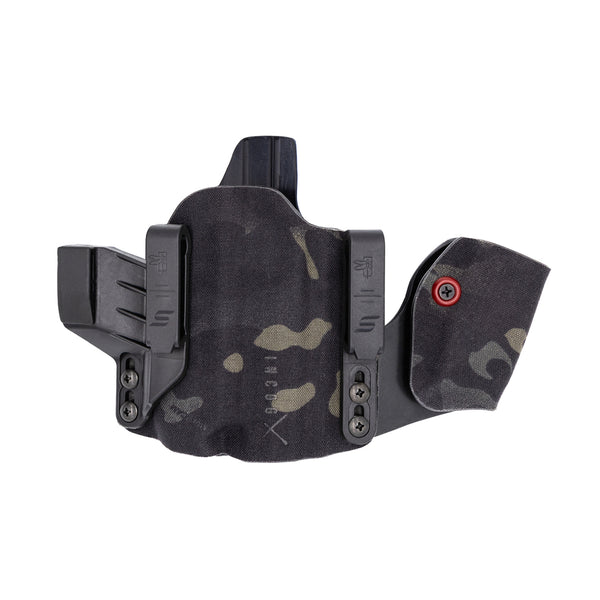
- Retention type: passive (IWB hybrid design)
- Carry position: multi-positional IWB
- Safety highlights: deep concealment design; comfort-oriented hybrid build
- Ease of draw: High
- Best for: all-day IWB comfort with a structured holster body
- Price range: about $102–$134
OWB / Higher Security
5) Safariland Model 7378 7TS ALS (OWB)
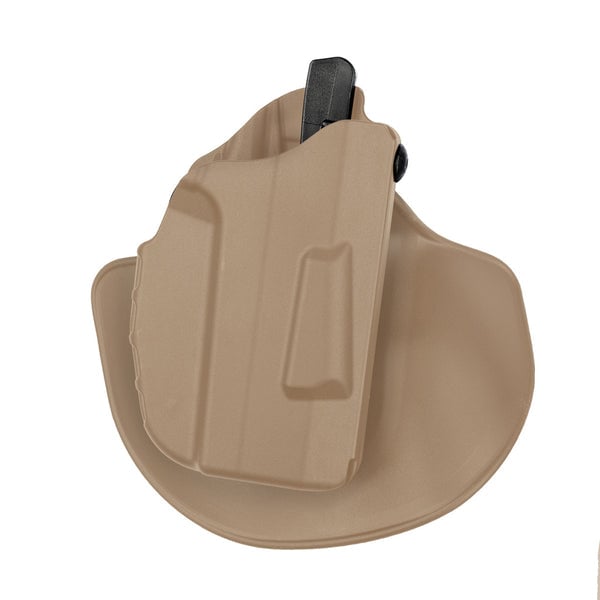
- Retention type: ALS “Level I rated retention” with thumb release
- Carry style: OWB (paddle/belt loop)
- Safety highlights: automatic lock on holstering; intuitive thumb release
- Ease of draw: Medium-High (one deliberate release)
- Best for: travel, outdoor wear, OWB under layers
- Price range: $97–$119
6) Blackhawk T-Series Level 2 Duty Holster (OWB)
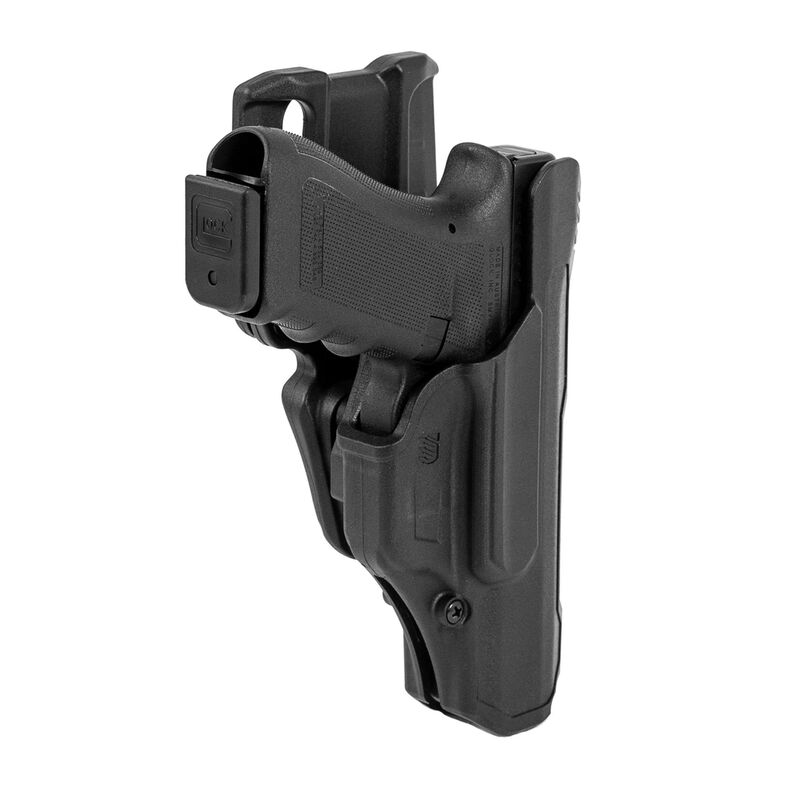
- Retention type: Level II (thumb-activated) + adjustable passive retention
- Carry style: OWB
- Safety highlights: designed to resist unauthorized access; secure thumb release
- Ease of draw: Medium (requires consistent release motion)
- Best for: open-carry contexts where legal and appropriate, higher-contact environments
- Price range: $149.95
Off-body / Purse
7) CrossBreed Purse Defender (purse insert system)
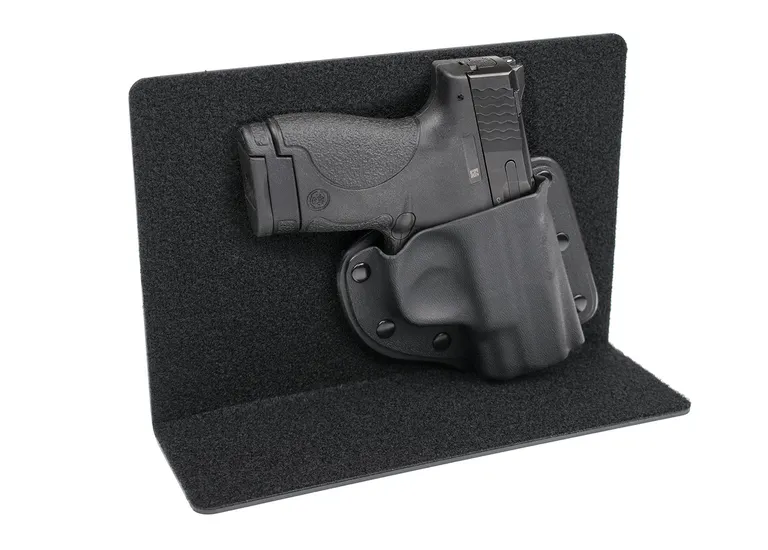
- Retention type: structured panel + holster keeps firearm oriented and consistent
- Carry style: off-body (purse/bag insert)
- Safety highlights: reduces “floating gun” risk; consistent positioning
- Ease of draw: Medium (bag access adds steps)
- Best for: women who must carry off-body (with strict bag control)
- Price range: often listed around $55 (sales vary)
Comparison Table (High Trust & Conversion)
How ratings work (simple + transparent):
- Safety Rating (1–5): trigger coverage + retention security + carry stability
- Ease of Draw (1–5): fewer steps + intuitive access + consistency
| Holster | Retention Type | Carry Style | Safety Rating | Ease of Draw | Best Use Case | Price |
| Vedder LightTuck | Level I (passive, adjustable) | IWB | 4.0 | 4.5 | Daily concealed | ~$70 |
| PHLster Skeleton | Level I (adjustable) | IWB/AIWB | 4.0 | 4.5 | Low-bulk concealment | ~$88 |
| PHLster Enigma Express | Passive (shell) + stability system | Beltless | 4.5 | 3.5 | Dresses/leggings | ~$154 |
| Safariland Incog X | Passive (IWB hybrid) | IWB | 4.0 | 4.0 | All-day comfort | ~$102–$134 |
| Safariland 7378 ALS | ALS Level I (thumb release) | OWB | 4.5 | 4.0 | Travel/outdoors | $97–$119 |
| Blackhawk T-Series L2 | Level II (thumb) + passive adj. | OWB | 4.8 | 3.8 | Higher-contact/OWB | $149.95 |
| CrossBreed Purse Defender | Panel + holster insert | Off-body | 3.5 | 3.0 | Off-body necessity | ~$55 (varies) |
Common Retention Mistakes Women Make
- Choosing speed over security: A holster that “feels fast” but doesn’t hold the firearm securely is not a win.
- Over-tightening retention: Too much friction can cause inconsistent access and bad habits. (Your goal is secure and repeatable.)
- Ignoring practice and familiarity: A retention system only helps if you understand it and use it consistently.
Using fashion holsters without retention: Many “cute” options prioritize appearance over trigger coverage and stability.
Safety & Training Considerations
Retention is not just a purchase decision. It’s a system:
- Understand how your holster retains the firearm and how it stays attached to your body.
- Practice safe handling (especially reholstering) in a controlled environment and follow your training program.
- Consistency matters more than “perfect gear.” The best setup is the one you’ll carry responsibly, every day.
For broader editorial strategy and reader-fit alignment (especially for the “Empowered Female Carrier” audience), these internal planning resources are relevant:
Control Builds Real Confidence
Retention holsters protect more than equipment. They protect control, safety, and confidence, especially in the close-contact realities many women navigate daily. Law-enforcement experience reinforces a simple truth: if you lose your firearm in a struggle, the situation can get worse fast.
For civilian self-defense, the goal is practical: choose a secure, intuitive design you can carry comfortably and use consistently.
Compare Women-Friendly Retention Holsters
Ready to narrow it down? Compare retention holsters by carry style (IWB, OWB, off-body) and pick the option that delivers security + usability, not trends. Look for full trigger coverage, stable carry, and retention you can run confidently every day.
Check out this video from Tactical Empire showing the Best Holsters for Women | Top 5 Women’s Holsters:
FAQ
What is the safest holster for women?
The safest holster is one that fully covers the trigger, stays firmly attached to your body, and retains the firearm securely through daily movement. For many women, that’s a quality IWB holster with reliable passive retention or an active-retention model if you’re often in crowded, close-contact spaces.
Do women need higher retention levels?
Not always. Retention should match your lifestyle. If you spend a lot of time commuting, working in public-facing roles, or moving through crowds, added retention can be a smart safety upgrade. If your environment is lower-contact, a secure passive-retention IWB may be enough.
Are retention holsters harder to draw from?
Some can be, especially active-retention holsters, because they add a deliberate security step. The tradeoff is more protection against unintended removal. The best choice is a retention system you can operate consistently and confidently without relying on tiny, delicate movements under stress.
What retention level is best for self-defense?
For most concealed carriers, Level I (secure passive retention) is common and practical. If you anticipate frequent close contact with crowds, public transit, and hands-on work, consider Level II-style active retention for added security. Level III is usually more duty-focused and can be bulky for concealed carry.
Is a retention holster necessary for concealed carry?
It’s strongly recommended. Even concealed firearms can be bumped, jostled, or grabbed if someone gets close. A good holster should keep the gun secure during normal activity and help prevent loss during unexpected contact, while still allowing you safe, consistent access.
Can I use a belly band as a retention holster?
Some belly bands can work safely, but only if they provide stable firearm positioning and real trigger protection (often via a rigid insert or compatible holster). Many soft bands lack structure and can shift. If you choose this route, prioritize trigger coverage and stability over comfort alone.
What’s the biggest risk of off-body carry (purse or bag)?
The biggest risk is separation: bags can be set down, snatched, and require strict habits and a dedicated compartment with a retention solution to keep the firearm oriented consistently. When possible, on-body carry is usually the safer option.
How do I know if my holster retention is “enough”?
Your holster should hold the firearm securely during normal movement without feeling like you’re wrestling it. If the gun shifts, wobbles, or feels loose, retention may be insufficient. If the draw feels inconsistent or overly difficult, it may be too tight. Aim for secure, repeatable performance.
Do retention levels have an official standard?
Not universally. Many brands describe retention “levels,” often based on how many actions are needed to draw, but definitions can vary by manufacturer. Treat the level as a starting point, then evaluate real-world factors: trigger coverage, attachment stability, and consistency for your body and clothing.