
Quick Look
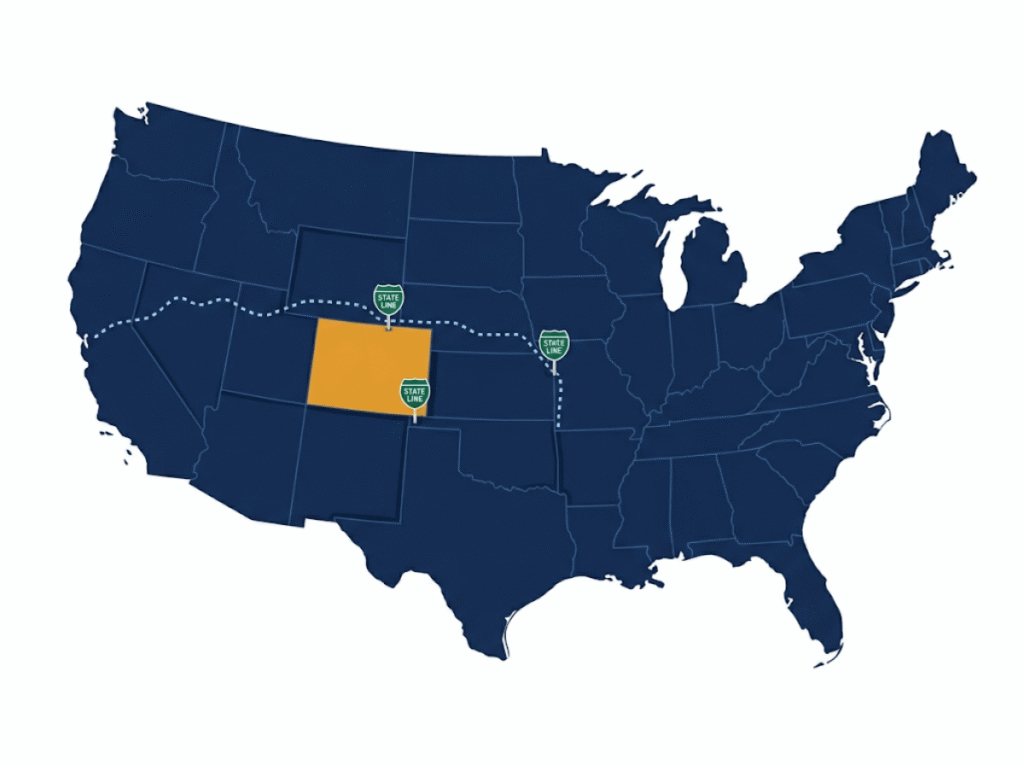
Your permit is legal at home. Is it still legal three states from now? One carrier put it plainly on a concealed carry forum: “I’m very nervous to be driving through Illinois, even though I know the rules.” That nervousness is rational. Multi-state concealed carry reciprocity is not one national rule. It’s fifty separate, shifting decisions, and the map you checked in January is not evidence for a trip in July.
This guide covers what multi-state concealed carry reciprocity actually means, what changed this summer, and how to verify your own route before you drive it.
What Is Multi-State Concealed Carry Reciprocity?

Multi-state concealed carry reciprocity is the patchwork of decisions each state makes about honoring a permit issued elsewhere. It’s not automatic and not mutual by default: a state can recognize your permit without you recognizing theirs, and either side can change position without a new law.
Magazine limits, posted-property restrictions, vehicle transport requirements, and self-defense law all still apply wherever you go, and none of them travel with your permit.
Recognition answers only one question: can you legally carry there? It says nothing about what happens once you arrive.
Which States Changed Their Concealed Carry Laws This July?
Kentucky is the clearest multi-state concealed carry reciprocity story this summer. House Bill 312 took effect July 15, 2026, creating a provisional license for residents 18 to 20 who complete an eight-hour course and pass a background check. It converts to a standard license at 21 and carries no out-of-state recognition; a provisional holder is covered inside Kentucky only. (Some outlets cited July 14; the legislative record lists July 15.)
Kentucky’s provisional license does not carry out-of-state reciprocity.
On June 17, 2026, Florida’s Fourth District Court of Appeals ruled the state’s ban on carry licenses for 18 to 20-year-olds unconstitutional. The Florida Department of Agriculture and Consumer Services has begun accepting applications from that age group. Full breakdown: Florida Concealed Carry Age 18-20: Your Smart Verdict.
Ohio and Tennessee, both frequently cited as reciprocity hot spots, have not changed their multi-state concealed carry reciprocity status this cycle. Both already honor permits from every other state, a policy that predates 2026. Verify any contrary headline against the state’s own guidance before repeating it.
Federally, the Constitutional Concealed Carry Reciprocity Act, H.R. 38, has cleared the House Judiciary Committee but hasn’t received a floor vote. It is not law, and reciprocity stays a state-by-state question until it is. Our H.R. 38 Concealed Carry Reciprocity guide covers what the bill would and wouldn’t change.

- Vaultek LifePod 20 rugged protection with a Built-In Lock System. Integrating Vaultek’s precision engineered safe...
- Smart Sense Keypad : The unique backlit touch activated Smart Sense Keypad allows quick entry using your customizable...
- Two Layers of Storage : Removable Interior Tray provides an extra layer of storage and features a series of slots for...
Last update on 2026-10-19 / Affiliate links / Images from Amazon Product Advertising API
Which States Recognize My Concealed Carry Permit?
There’s no single answer, only a state-specific lookup. On average, a state recognizes permits from roughly 30 others, though the range runs from zero to nearly universal.
Start with your issuing state’s attorney general or state police reciprocity page, or a maintained third-party map such as Handgunlaw.us or the USCCA reciprocity map. Confirm the state you’re entering, not the one you’re leaving. For the full state-by-state breakdown, see our Concealed Carry Reciprocity Laws 2026 guide.
Treat any map as a snapshot. Multi-state concealed carry reciprocity status shifts by administrative decision as often as by legislation, and changes aren’t always announced the day they take effect.
Do I Need a Different Permit for Different States?
Sometimes. If your home-state or non-resident permit is already recognized where you’re headed, one permit covers the trip. If not, a broadly recognized non-resident permit, commonly Utah or Florida, extends your multi-state concealed carry reciprocity coverage to dozens more states.
Watch for the non-resident permit trap: some states on a recognition list only honor permits held by actual residents of the issuing state. Confirm non-resident status before counting a state as covered.
A recognized non-resident permit doesn’t always cover non-residents.

Last update on 2026-10-18 / Affiliate links / Images from Amazon Product Advertising API
Constitutional Carry vs. Permit States: What’s the Difference?
Constitutional carry means a state allows eligible adults to carry concealed without a permit. More than half of the states now qualify. That status is separate from multi-state concealed carry reciprocity, and confusing the two is one of the more costly mistakes carriers make.
Constitutional carry governs who can carry inside that state. It says nothing about whether other states will honor a permit from a constitutional carry state, and permitless status for residents doesn’t always extend to visitors. Many residents still get an optional permit anyway, since it unlocks reciprocity elsewhere that permitless status alone doesn’t.
Constitutional carry status and reciprocity are not the same thing.
Which Verification Habit Fits Your Travel Pattern?
The right habit depends on how often you cross state lines. Traveling rarely, for one planned trip? Verify that the single destination against its official attorney general or state police page before you go. A permit stack isn’t worth it for one trip.
Crossing multiple states regularly, road trips, family visits, and work travel? Build a broader baseline instead. A widely recognized non-resident permit gives standing coverage across dozens of states, and from there, you only verify the exceptions: states that exclude non-resident permits entirely.
Either path converges on the same rule. Re-verify within 30 to 60 days of travel. Reciprocity changes by policy decision, not only by new law, so a status you confirmed last year isn’t something to rely on this year.
Re-verify your permit’s status within 30 to 60 days of any trip.
No products found.
What Should You Verify Before Every Cross-State Trip?
Confirm the following for every state on your route:
- Whether your permit is currently recognized in that state
- Magazine capacity limits
- Prohibited carry locations, including posted private property
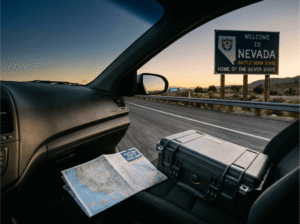
- Vehicle transport requirements if you’re only passing through
- Duty-to-retreat or stand-your-ground status, since it differs from home
- The date you last verified each item, so you know when a recheck is due
Why Does Reciprocity Require Re-Verification Every Trip?
Multi-state concealed carry reciprocity isn’t something you learn once and file away. Check it before every trip, the same way you’d check weather or road conditions. Kentucky’s July change is a reminder that the map moves even in states you thought you understood.
Want the full state-by-state matrix in one place? Download our Reciprocity Verification Matrix PDF and keep a verified reference in your glove box.
This article is general information, not legal advice. Confirm current law with your state’s attorney general before you travel.
Law Caliber‘s 7 Gun Law Changes Coming in 2026 That Will Impact Your Concealed Carry Permit Now!
Frequently Asked Questions
-
What is concealed carry reciprocity?
Concealed carry reciprocity is a state’s decision to honor a concealed carry permit issued by another state. It is not automatic and not federal. Each state sets its own recognition list, and that list can include every state, a handful of states, or none at all. Always confirm before you carry.
-
What states recognize my concealed carry permit?
It depends entirely on your issuing state and your destination. No single list applies to everyone. Use an official reciprocity map from your permit-issuing state or a trusted resource like Handgunlaw.us or USCCA, then confirm directly with the destination state’s attorney general or state police before you travel.
-
Do I need different permits for different states?
Not necessarily. If your home-state or non-resident permit is recognized where you’re going, one permit can cover many states. But some states, including several with strict laws, don’t honor any out-of-state permit. A non-resident permit from a broadly recognized state, such as Utah or Florida, can extend your coverage.
-
Which states have constitutional carry in 2026?
More than half of U.S. states now allow constitutional carry, meaning eligible adults can carry concealed without a permit. Constitutional carry status is separate from reciprocity, though: it governs carry within that state, not whether other states honor a permit you hold. Check current state-by-state status before traveling.
-
What changed with Kentucky’s concealed carry law in July 2026?
Kentucky’s House Bill 312 took effect July 15, 2026, creating a provisional concealed carry license for residents 18 to 20 years old. Applicants must complete an eight-hour training course and pass a background check. The provisional license is valid only within Kentucky and does not carry out-of-state reciprocity.
-
Does my permit still work if I’m just driving through a state?
Sometimes, even if that state doesn’t recognize your permit. Federal law allows transporting a firearm through a non-reciprocity state if it’s unloaded, cased, and inaccessible from the passenger compartment. This safe harbor is narrow and doesn’t cover carrying the firearm on your body while passing through. Know it before you drive.
-
Is national concealed carry reciprocity law in 2026?
No. The Constitutional Concealed Carry Reciprocity Act, H.R. 38, has cleared the House Judiciary Committee but has not passed a full floor vote or become law as of mid-2026. Until it does, reciprocity remains a state-by-state patchwork, and every trip still requires checking each state on your route.
-
How often do reciprocity agreements change?
More often than most carriers expect. States can add or remove recognition through an attorney general’s policy decision, not only through new legislation, and often without a public announcement. Re-verify your permit’s status within 30 to 60 days of any trip rather than relying on what you confirmed last year.
-
Does reciprocity cover more than just carrying my handgun?
No. Recognition of your permit only answers whether you can carry there. It does not cover magazine capacity limits, prohibited locations, duty-to-retreat versus stand-your-ground rules, or vehicle transport laws, all of which vary by state and apply regardless of whether your permit is honored.
-
Where can I find an official reciprocity map?
Start with your issuing state’s attorney general or state police website for the most authoritative version of their own reciprocity list. Then cross-check a maintained third-party resource like Handgunlaw.us or the USCCA reciprocity map. Confirm both agree before you travel, and note the date you checked.
-
What happens if I carry in a state that doesn’t recognize my permit?
You’re treated as carrying without a license or permit, which can trigger criminal charges depending on the state and circumstances. Some states charge this as a misdemeanor; others, including New York and New Jersey, treat it more severely. Your intent or your home state’s permit validity does not change the outcome.
-
Does a federal safe harbor protect me if I’m just passing through?
Yes, narrowly. Federal law, 18 U.S.C. Section 926A, protects transporting a firearm through a state that doesn’t recognize your permit if it’s unloaded, cased, and inaccessible from the passenger compartment. It does not protect carrying the firearm on your body or keeping it loaded and reachable while you drive through.
Lock in your vote and tell us: Why is this the right call?👇