
Key Insights
This article explains a recent court ruling for educational purposes and is not legal advice. Gun laws, especially ones this new, can change fast. Confirm your specific situation with a licensed Florida attorney before you rely on this ruling to carry.
Related: Mississippi Permitless Carry Laws: What Every Legal Gun Owner Must Know in 2026
What Actually Changed In Florida’s Concealed Carry Age 18-20 Rules?

On June 17, 2026, Florida’s Fourth District Court of Appeals ruled in Eubanks v. State that the state’s requirement to be 21 years old to qualify for concealed carry, found in Florida Statute 790.06(2)(b), is unconstitutional as applied to adults ages 18 to 20. That ruling is the source of the new concealed carry age 18-20 rule you’re reading about. Because Florida’s permitless carry law only lets you carry without a license if you meet the same eligibility criteria a license would require, that age floor had been the one thing locking 18-to-20-year-olds out of legal concealed carry entirely.
The short version: Florida’s concealed carry age 18-20 restriction is gone. An 18-year-old who meets every other eligibility requirement can now legally carry concealed the same way a 21-year-old can. Florida Attorney General James Uthmeier agreed with the ruling and posted that his office “will not seek further review” and would work with the Florida Department of Agriculture and Consumer Services to implement it.
Does This Apply To You Right Now, Or Should You Wait?
This is the single most important practical question about the concealed carry age 18-20 change, and it’s worth answering carefully instead of quickly.
Florida’s Attorney General has publicly accepted the ruling and it applies statewide, but formal administrative implementation was still being finalized as of this writing, and at least one Florida law firm has specifically advised eligible young adults to wait for the administrative go-ahead before carrying. That’s not overcaution. A single district court of appeal ruling, even one the state agrees with, is not the same thing as an updated statute on the books, and acting a few weeks too early on a right that’s still being formally implemented is a real, avoidable risk.
If you’re 18 to 20 and this applies to you, confirm current implementation status with a Florida attorney or the Florida Department of Agriculture and Consumer Services before you carry, not after.

Last update on 2026-10-18 / Affiliate links / Images from Amazon Product Advertising API
What Didn’t Change, Even Though The Concealed Carry Age 18-20 Floor Did?
Two things did not move, and confusing them with what did move is exactly how people get in trouble.
You still cannot walk into a gun store and buy a handgun in Florida if you’re 18 to 20; that’s a separate purchase-age law, and it remains in effect. Right now, the only lawful ways for an 18-to-20-year-old to acquire a firearm in Florida are as a gift or inheritance from a family member, or through military, law enforcement, or corrections exemptions. A related challenge to the purchase-age ban is still working through the courts and has not been decided.
Also unchanged: everywhere Florida already prohibits carry, concealed or open, for everyone, it still applies to you, too. Schools, courthouses, polling places, the secured side of airports, and licensed bars are still off-limits. Age has nothing to do with it.
Worth knowing: this isn’t the first age-based carry restriction Florida has lost in court recently. The state’s open carry ban was struck down in a separate ruling in September 2025, which means 18-to-20-year-olds who could already lawfully possess a firearm had the right to carry it openly before this concealed carry age 18-20 ruling. Eubanks closes the concealed carry gap specifically.
The Law Changed. Did Your Readiness?
This is where the council disagrees, and it’s worth naming the disagreement honestly instead of picking a side and pretending it’s settled.
One position: if you’re newly eligible to carry and this is genuinely new territory for you, treat the day you become eligible as day one of a training plan, not day one of carrying. Enroll in a documented, mainstream defensive firearms course and keep the certificate. Get your drawstroke-to-first-shot competency to a real, tested standard before you carry daily. A training record isn’t just skill-building; it’s evidentiary if you’re ever actually involved in a defensive shooting.
The other position: most real defensive encounters involve very few rounds at very close range, and a new carrier who commits to consistent, realistic dry-fire practice can reach a legitimate competency floor fast, without waiting for a formal course to be “allowed” to carry. Treating “no training mandate” as “no training needed” is the real failure mode, not the absence of a class.
Both are right, and which one applies to you depends on your actual experience level, not your age. The concealed carry age 18-20 ruling settles eligibility, not readiness. If you’re 18 to 20 and this is your first real exposure to firearms, prioritize formal, documented training before you start carrying regularly. If you’re 18 to 20 with years of supervised shooting already behind you, a documented range history plus committed dry-fire practice is a legitimate floor, though formal certification is still worth getting.


Last update on 2026-10-18 / Affiliate links / Images from Amazon Product Advertising API
What Should You Actually Do This Week?
If none of this applies to you personally, the responsible move is simple: know the facts about the concealed carry age 18-20 change so you can answer a friend, a family member, or your own kid accurately instead of repeating something half-remembered from a headline.
If you’re 18 to 20 and this does apply to you: confirm implementation status with a Florida attorney or FDACS before you carry, don’t attempt to purchase a firearm yourself since that law hasn’t changed, and treat your legal eligibility and your actual readiness to carry as two separate questions, both of which need honest answers before you put a gun on your body in public.
Last update on 2026-10-18 / Affiliate links / Images from Amazon Product Advertising API
The Bottom Line On Florida’s New Concealed Carry Age 18-20 Rule
Florida’s concealed carry age 18-20 restriction fell in a single, recent, unanimous appellate ruling that the state itself agrees with, which is about as solid as a court decision gets without a formal statutory update. That solidity doesn’t mean instant. Confirm implementation before you act on it, understand exactly what did and didn’t change, and treat your legal eligibility and your training as two separate boxes that both need checking, not one.
This article reflects the state of Florida law as of July 2026 and is not a substitute for advice from a licensed Florida attorney. Laws and their implementation can change quickly. Verify current status before you rely on any of this to carry a firearm.
Check out this video from Action News Jax (CBS47 & FOX30).
Frequently Asked Questions
-
Can 18-year-olds legally carry a concealed gun in Florida now?
Yes. As of June 17, 2026, Eubanks v. State ruling, Florida’s Fourth District Court of Appeals struck down the 21-year-old age requirement for concealed carry as unconstitutional for adults 18 to 20. If you meet every other eligibility requirement, you can now carry concealed just like a 21-year-old.
-
What did the Eubanks v. State ruling actually decide?
Florida’s Fourth District Court of Appeal ruled that Florida Statute 790.06(2)(b), which required carriers to be 21, is unconstitutional as applied to 18-to-20-year-olds. The court found that this age group is protected by the Second Amendment and that no historical tradition justified excluding them from rights that other adults already have.
-
Does this ruling apply across all of Florida, or just one area?
It applies statewide in practice. The ruling came from one district court of appeal, but Florida’s Attorney General publicly agreed with the decision, declined to appeal it, and directed the Department of Agriculture and Consumer Services to implement it, which effectively ends enforcement of the age restriction everywhere in Florida.
-
Can an 18-to-20-year-old buy a handgun in Florida now?
No. This ruling only addresses carrying, not purchasing. Florida’s separate law barring anyone under 21 from buying a firearm remains fully in effect. An 18-to-20-year-old can only lawfully acquire a gun as a gift or inheritance from a family member, or through specific military, law enforcement, or corrections exemptions.
-
If I’m 18 to 20, should I start carrying today?
Not necessarily. Formal administrative implementation was still being finalized as of this writing, and at least one Florida law firm has advised eligible young adults to wait for the official go-ahead. Confirm current status with a Florida attorney or FDACS before you carry, rather than assuming it’s fully in effect everywhere yet.
-
Can 18-to-20-year-olds open carry in Florida, too?
Yes, and that right actually came first. A separate court ruling struck down Florida’s open carry ban in September 2025, which already extended open carry rights to eligible 18-to-20-year-olds. The Eubanks ruling in June 2026 closes the remaining gap by extending concealed carry to that same age group.
-
Do 18-to-20-year-old carriers still need to meet other eligibility rules?
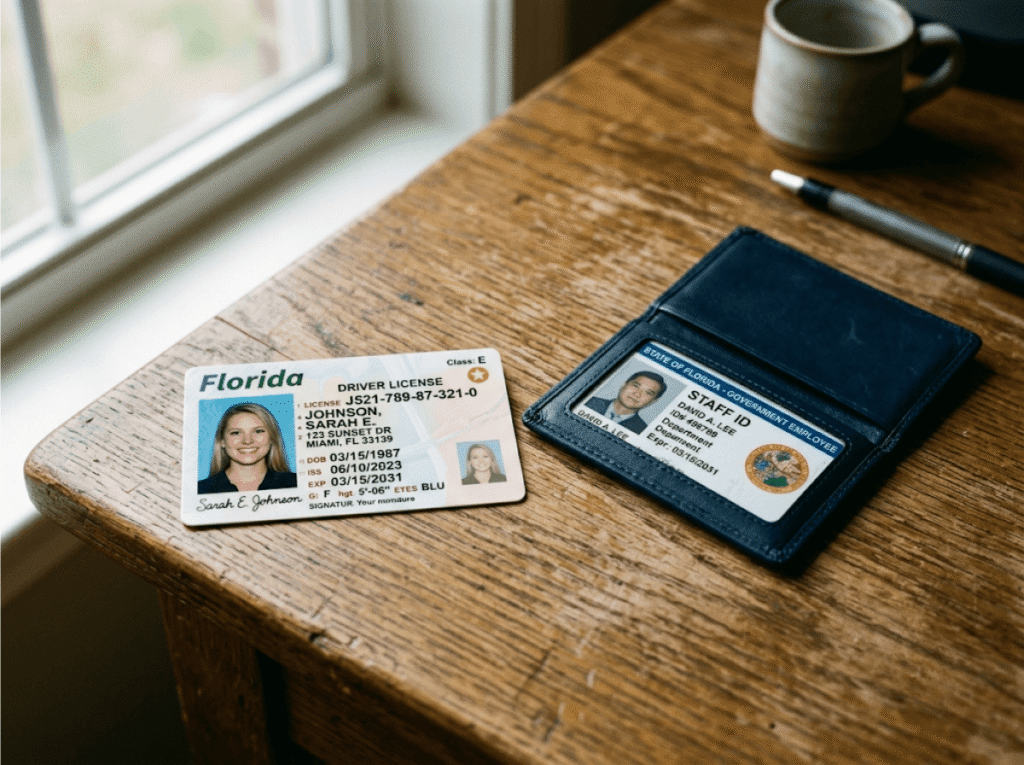
Yes. Removing the age floor didn’t remove anything else. You still must be a lawful U.S. resident or citizen, carry valid government identification, and meet every other criterion that would qualify you for a concealed weapons license, including background, mental health, and substance history requirements.
-
Where can’t 18-to-20-year-olds carry, even with this ruling?
The same restricted locations that apply to every carrier in Florida still apply to you. Schools, courthouses, polling places, the secured side of airports, and establishments primarily devoted to on-site alcohol consumption remain off-limits regardless of age. This ruling changed who can carry, not where carrying is allowed.
-
Does Florida’s ruling on concealed carry age affect other states?
Not directly, since it’s a Florida-specific case interpreting a Florida statute. But it fits a national pattern: federal appeals courts have struck down similar age-21 carry restrictions in Minnesota and elsewhere, and the U.S. Supreme Court has declined to revive at least one of them, suggesting more challenges could succeed.
-
Should I get formal training before I carry under this new rule?
Legally, no, Florida’s permitless carry law doesn’t require it. Practically, yes. Eligibility and readiness are different questions, and a documented training course gives you both real skill and a legal record if you’re ever involved in a defensive shooting, something worth having regardless of what the law requires.
Make the case: Why did you vote that way?👇