
Concealed Carry Purse vs Body Holster Safety: Quick Answers
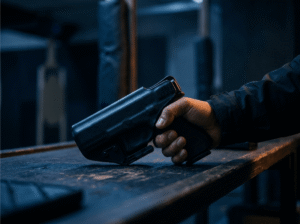
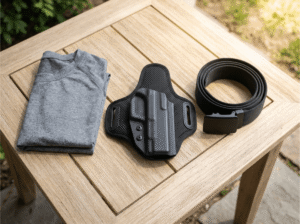
- On-body holsters usually provide the safest default because the firearm stays attached to the body, and trigger coverage is easier to keep consistent.
- Purse carry can be responsible, but off-body carry increases separation risk when a bag is set down, moved, or grabbed.
- A concealed carry purse should function as a platform that holds a holster, not a place to store a loose firearm.
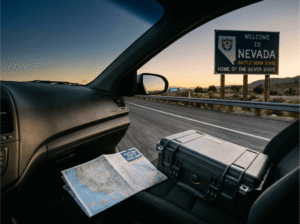
- Vehicle “temporary storage” often shows up in off-body routines, and research and reporting link vehicle break-ins to a large share of reported gun theft.
- Concealed carry safety improves when carry choices match real clothing, real schedules, and real environments, not best-case assumptions.
Related: Best Concealed Carry Purses On Amazon
For women, concealed carry choices can feel narrower than they should, especially when office clothes, dresses, and fitted tops make on-body carry uncomfortable or difficult to conceal. A handbag option can seem like the most practical answer, but the safety tradeoffs change once the firearm moves from a body-worn holster to a bag that gets handled, shifted, and sometimes set down during normal life. Concealed carry safety improves when the carry method matches real routines, not best-case assumptions.
| Safety Note: Firearms safety rules apply no matter where the firearm is carried. Safe gun handling includes muzzle awareness, trigger discipline, and secure storage when carry is not possible. Laws vary by state and location, so local requirements should be verified. |
What The Concealed Carry Purse vs Body Holster Safety Comparison Covers
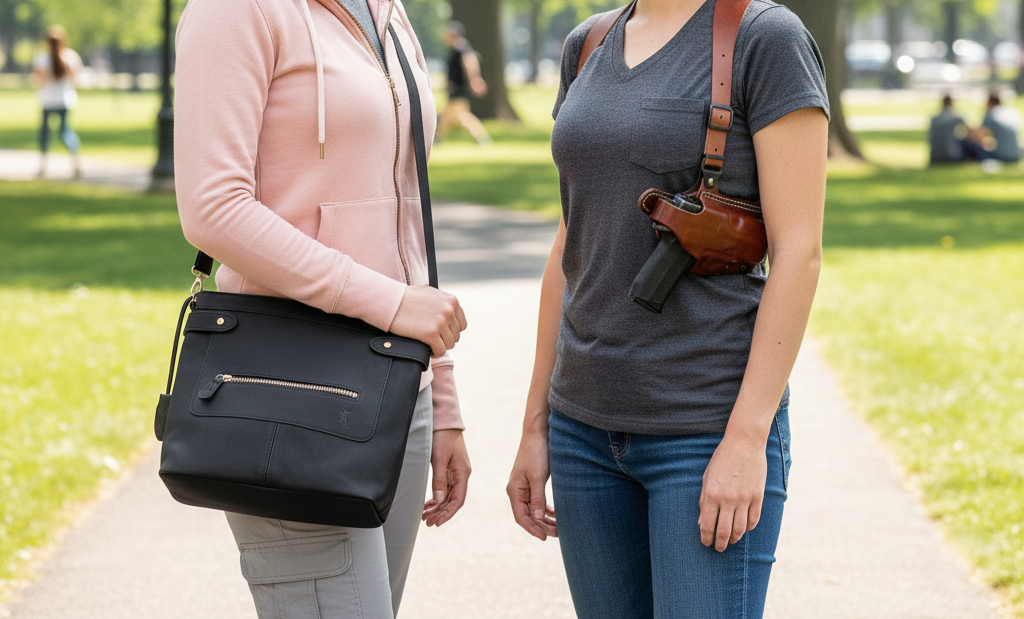
A fair comparison starts by naming the variables that actually change between methods. Control, trigger protection, and access consistency look different when the firearm lives on the body versus inside a bag. In addition, concealed carry purse vs body holster safety also depends on clothing, environment, and routine. The goal in this guide is risk reduction, not winning a style argument.
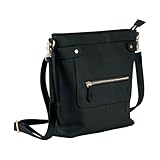
- BROWNING | Since 1878, Browning has continued to represent "The Best There Is" in firearms and outdoor products
- PREMIUM MATERIALS | Constructed from a durable PU leather that provides a rich color and smooth feel
- LOCKABLE ZIPPER WITH HIDDEN KEY RING | Ensures secure access to firearm or valuables. Keys can be conveniently, safely...

Last update on 2026-10-14 / Affiliate links / Images from Amazon Product Advertising API
(As an Amazon Associate, we earn from qualifying purchases.)
What is a Concealed Carry Purse?
Marketing language can blur important details, so a plain definition helps. A clear definition also keeps the conversation grounded in concealed carry safety instead of brand claims.
A concealed carry purse is a handbag built with a separate compartment intended for firearm carry, usually paired with a holster insert or a hook-and-loop panel that anchors a holster. A safer purse setup keeps the trigger covered, keeps the firearm oriented consistently, and keeps everyday items out of the carry compartment.
Safety Differences That Matter Most
Carry method changes what can go wrong and how quickly. The comparison below highlights the categories that most directly affect concealed carry safety in daily life.
| Safety Factor | On-Body Holster | Concealed Carry Purse |
| Control and retention | The firearm stays attached to the body | The bag can be set down, grabbed, or separated |
| Trigger protection | Holster design typically covers the trigger guard | Safety depends on a stable internal holster and a dedicated compartment |
| Access consistency | Placement can stay consistent through the day | Strap position, zipper path, and bag shift can change access |
| Unauthorized access risk | Lower when worn correctly | Higher when a bag is unattended or within reach of others |
| Handling frequency | Fewer reasons to manipulate the system | More routine handling, repositioning, and set-down moments |
Why On-Body Holsters Are Usually Safer
On-body carry reduces variables. Fewer variables usually mean fewer chances for avoidable mistakes during distraction, stress, or routine interruptions.
Control Stays Stronger by Design
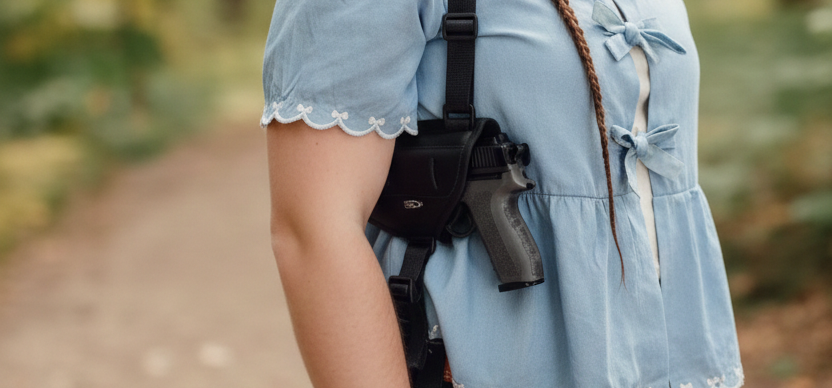
Body-worn holsters keep the firearm attached to the carrier. That attachment matters because separation becomes harder, whether the risk is a quick grab, an accidental leave-behind, or an everyday habit like hanging a bag on a chair.
Trigger Coverage Is Easier to Keep Consistent
Trigger discipline sits at the center of basic firearms safety, and trigger guard coverage is a major reason holsters exist in the first place. A quality holster that fits the firearm helps protect the trigger guard during daily movement and reduces the chance of unintended trigger contact.
Access and Handling Tend to Be More Predictable
Consistent placement supports consistent handling. On-body carry typically keeps grip angle and access points more stable across a day than a bag that shifts as weight moves inside a purse.

- Our waistband gun holster for women & men is available in right- and left-hand draw; designed for firearms of various...
- From wearing it at the appendix or hip, to sporting it outside the pants cross draw or open carry style, you can wear...
- This belly band holster is compatible with Glock 19, 23, 38, 25, 32, 26, 27, 29, 30, 39, 28, 33, 42, 43, 36, Smith and...
Last update on 2026-10-14 / Affiliate links / Images from Amazon Product Advertising API
Why Purse Carry Raises Risk Even When Done Carefully
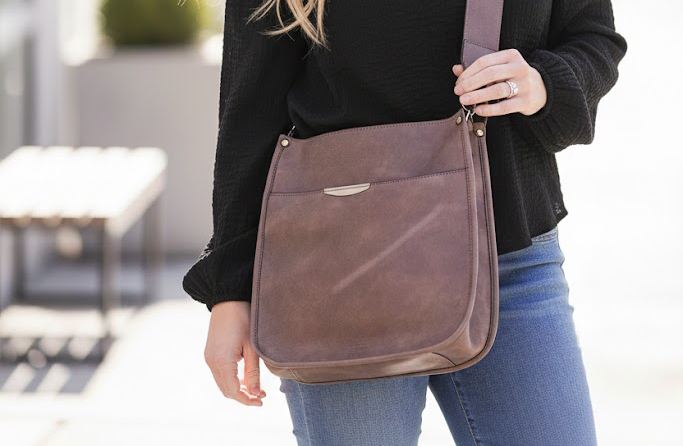
Off-body carry can be responsible, but the method introduces structural risks that on-body holsters avoid. A purse gets handled constantly, moved between seats, and set down instinctively in settings that feel ordinary.
Separation and Theft Risk
Bag separation is the biggest weakness of purse carry. A purse can be stolen, forgotten, or briefly left within reach of others faster than an on-body holster can be compromised.
Vehicle storage can magnify the risk. Off-body routines can create more “stash it for a minute” moments during workplaces, gym stops, and venues with restrictions. Research and reporting on firearm theft show that thefts from vehicles represent a large and growing share of reported gun theft in recent years, which raises the stakes for any routine that increases vehicle storage.
Unauthorized Access Risk in Everyday Life
Off-body carry changes who can reach the firearm. A bag placed on a desk, hung on a chair, left in a shopping cart, or set on a restroom hook can become accessible to children, coworkers, friends, or strangers in seconds.
A safety-first approach treats a carry purse like a controlled item that never leaves direct supervision.
Trigger Contact Risk from Clutter
Loose carry inside a bag is a safety hazard. A stable holster that covers the trigger guard reduces risk, but compartment discipline matters just as much. Keys, pens, cosmetics, and chargers do not belong in the carry pocket because objects can shift and interfere with safe handling.
Access Consistency Risk
The bag shift affects access. Strap placement changes, zippers can bind, and the bag rotates during movement. Inconsistent access can push people toward rushed handling decisions, which is the opposite of concealed carry safety.
- STYLE THAT CARRIES MORE THAN IT SHOWS | The Browning Catrina is a slim, stylish crossbody purse designed for women who...
- LOCKING CCW POCKET WITH AMBIDEXTROUS ACCESS | The dedicated concealed carry pocket (7"L x 8"H) features left and right...
- ORGANIZED FOR YOUR EVERYDAY ESSENTIALS | Beyond the CCW pocket, the Catrina features multiple interior pockets designed...
Last update on 2026-10-15 / Affiliate links / Images from Amazon Product Advertising API
Where Purse Carry Fits in a Safety-First Carry Plan
A safety-first carry plan starts with one question: which method stays controlled and consistent through real life, not just in ideal conditions. On-body holsters usually win that test because the firearm stays attached to the body, and the carry system moves with the carrier. Off-body carry can still be responsible, but the method is less forgiving because a bag is easier to separate from the carrier and easier for others to reach.
Purse carry fits best as a practical option for days when clothing, comfort, or a professional dress code makes on-body carry unrealistic. That reality comes up often in concealed carry for women, especially with fitted outfits, dresses, and workplaces that limit layering. Purse carry can also make sense for short, predictable trips when bag control stays simple from start to finish.
A safer purse-carry plan depends on treating the purse as a holster platform, not a storage container. A dedicated carry compartment, a stable holster with full trigger guard coverage, and strict compartment discipline form the baseline. Control habits matter just as much as the bag itself, including crossbody wear, avoiding unattended placement, and having a lawful storage plan for no-carry locations. Concealed carry safety improves when purse carry is used deliberately for specific situations, rather than as the default method for every environment.
Safer Rules for Purse Carry
Better habits reduce risk more than clever features. The rule set below focuses on the most common off-body failure points that show up in training advice and safety guidance.
- Dedicated Carry Compartment Only
A carry compartment should hold the holstered firearm and nothing else. - Stable Holster with Full Trigger Coverage
Trigger guard coverage and holster stability remain non-negotiable. - On-Body Bag Control as the Default
Crossbody carry generally makes control easier than hand-carry or shoulder-only carry. - Slow, Deliberate Handling
Deliberate handling beats speed in daily life, especially around zippers and bag openings. - Safe Storage Plans for No-Carry Locations
A storage plan matters for work, travel, and restricted venues, especially because theft trends show vehicles are a common source of stolen guns.
A Decision Checklist for Real Days
A practical checklist helps match the carry method to the clothing and schedule. A consistent decision process supports concealed carry safety because the decision becomes routine, not improvised.
- Clothing reality: Does the outfit support an on-body holster option that stays comfortable and concealed?
- Environment reality: Does the day include restaurants, restrooms, meetings, or commuting where a bag might be set down?
- Crowd reality: Does the schedule include crowded spaces where bag control becomes harder?
- Setup reality: Does the purse setup include a dedicated compartment and a stable holster with trigger coverage?
- Storage reality: Does the plan include a safe, lawful storage option if carry is not allowed?
The Concealed Carry Purse vs Body Holster Safety Debate: The Key Takeaway
The comparison between concealed carry purse vs body holster safety comes down to control and consistency. On-body holsters usually provide safer default conditions because control is stronger and trigger coverage is easier to keep consistent. Purse carry can still be responsible for concealed carry for women when wardrobe constraints make on-body carry unrealistic. Still, off-body carry demands stricter control habits, a dedicated compartment, and a stable holster with full trigger guard coverage. Concealed carry safety improves when carry choices align with real-life routines rather than ideal scenarios.
For awesome survival gear you can’t make at home, check out the Survival Life Store!
Follow us on Facebook, Instagram, Twitter, Pinterest, and Tumblr!**Disclaimer: All content on this site is for informational purposes only. Please read our full disclaimer **
Editor’s Note: This post was originally published on October 5, 2017, and has been updated for quality and relevancy
Frequently Asked Questions
-
Is Purse Carry as Safe as an On-Body Holster?
On-body holsters are usually safer because the firearm stays attached to the body, and holster protection is easier to keep consistent. Purse carry can be responsible when strict control habits and a holstered, dedicated compartment are non-negotiable.
-
What Is the Biggest Safety Risk with Purse Carry?
Bag separation is the biggest risk because a purse can be set down, stolen, or accessed by someone else during ordinary moments.
-
Do Locking Zippers Make Purse Carry Safe?
Locking features can deter casual access, but locks do not replace control, holster use, or safe storage planning. Locking features also add steps that can affect consistency.
-
Can a Firearm Be Carried Loose in a Purse?
Loose carry inside a bag is unsafe. A safer setup uses a holster that covers the trigger guard and stays stable inside a dedicated compartment.
-
What Matters Most in a Concealed Carry Purse Design?
Dedicated compartment design and holster stability matter most. Trigger guard coverage, consistent orientation, and reliable access matter more than extra pockets or decoration.
-
Why Does Vehicle Storage Matter in Off-Body Carry Safety?
Off-body routines can increase “leave it in the car” moments. Research and reporting show vehicle break-ins account for a large share of reported firearm theft, raising the stakes for any routine that depends on vehicle storage.
-
What Is the Safest Choice for Beginners?
Beginners often do best with on-body carry because the system is simpler and easier to control. Purse carry can be considered when wardrobe constraints exist, but stricter habits are required.
-
What Is a Safer Way to Carry a Concealed Carry Purse in Public?
Crossbody carry generally improves control because the bag stays attached to the body. Direct control matters, so bag placement on chairs, carts, and restroom hooks should be avoided.
When it comes to your daily carry, why is this your go-to? Sound off below.👇