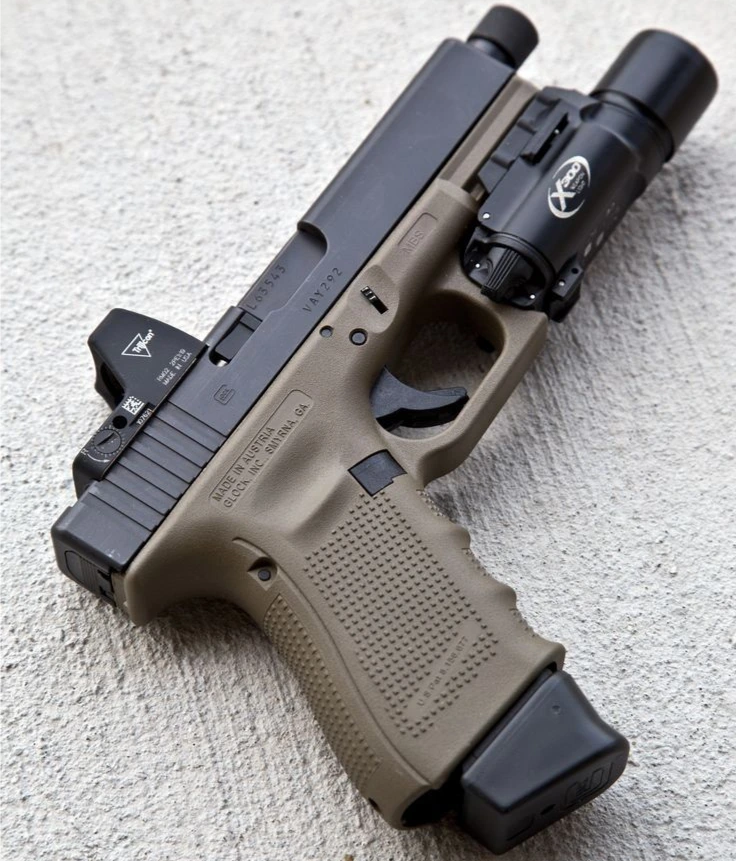

Main Point on Red Dot Concealed Carry
Adding a red dot to your carry gun improves long-distance accuracy, low-light aiming, and target focus. Unlike iron sights, where you must align three planes of focus, the dot allows you to remain 100% focused on the threat. It demands a more disciplined draw stroke and regular maintenance of batteries and mounting screws. A dot is a “net win” only if you commit to a brief 14-day transition training period.
Red Dot on a Carry Gun? What Gets Easier, What Gets Harder
A pistol-mounted red dot can be a real upgrade for concealed carry, but it is not “free performance.” It can make precision and low-light aiming easier, especially as your eyes age, while also making your draw, maintenance habits, and gear choices more demanding. If you will train a little and maintain it, a dot is usually a net win. If you do not, it can slow you down and add failure points.
The Real Question: “Will I Carry It More… or Less?”
Most people start this debate with a performance question: “Will a dot make me faster or more accurate?” That is fair, but concealed carry has a bigger gatekeeper: consistency. A setup that shoots great but ends up living in the safe is not an upgrade.
Before we talk speed and accuracy, keep one idea in mind: a carry optic should make you more capable without making you less consistent. If adding a dot makes you change holsters, change wardrobe, and skip carry days, that is the opposite of the goal.
The “Is It Worth It?” Quick Answer
A red dot on a carry pistol is worth it for many people, but only if you treat it like a system instead of a single accessory. That means a dot you can rely on, a holster that fits it properly, and a short training plan that builds a repeatable draw. The performance benefits are real, but they show up after the “learning dip.”
In plain terms, a dot can make you better, but it will first reveal what you have been getting away with.
- Easier: A red dot simplifies the aiming process by allowing for target focus and high precision, but it demands a more disciplined draw index.
- Harder: The primary trade-offs of a carry optic are increased maintenance requirements and a steeper learning curve for the initial draw.

- HIGH QUALTITY MATERIAL - Made of high-quality sturdy zippers, nylon material and polyester fiber,1200D Oxford fabric has...
- CONCEALED CARRY PISTOL POUCH - Works well subcompact-sized guns like the Ruger LCP and 380 or other similar sizes; The...
- WATER BOTTLE HOLDER - The bumbags of the pistol waist bag is equipped with a hidden water bottle holder (suitable for...
Last update on 2026-10-19 / Affiliate links / Images from Amazon Product Advertising API
What Gets Easier With a Carry Optic
Red dots do not magically remove recoil or turn bad fundamentals into good ones. What they do is simplify the “aiming problem” in ways that matter for real-world distances, imperfect lighting, and imperfect eyes. These are the upsides that tend to hold up after the learning curve.
Faster confirmed hits at a practical distance
Dots shine when the shot demands more precision than “good enough.” At 10–25 yards, many shooters find it easier to keep hits tight with a dot than with irons, because they can stay focused on the target and place the dot precisely where they want the bullet to go.
The keyword is confirmed. New dot users sometimes chase speed and fire the moment they see “something red.” Once you learn what an acceptable dot picture looks like for the distance, you can confirm your aim faster and more consistently.
Better performance in low light (with an important caveat)
In dim lighting, irons can blend into the background, especially with dark sights and dark targets. A dot can be easier to pick up and easier to place precisely. This is one of the reasons many experienced shooters eventually migrate to optics.
The caveat: a dot does not identify what you are aiming at. You still need to clearly see and confirm the target and what is beyond it. A red dot helps aiming; it does not replace judgment, awareness, or responsible decision-making.
Target focus helps, especially as eyes change
With irons, your best visual focus is usually the front sight. With a dot, you can keep your focus on the target while using the dot as the aiming reference. For many people, that is more natural and less visually demanding.
If your near vision is not what it used to be, a dot can feel like relief. You are no longer trying to keep three objects (rear sight, front sight, and target) “perfect” at once. You are aiming with one clear reference at a target you can see.
The dot is a truth-teller in training
Dots are honest. They show wobble, grip issues, and trigger movement in a way irons often hide. That is a feature, not a bug. In dry fire, the dot will tell you immediately if your trigger press is disturbing the gun. On the range, it makes recoil tracking more obvious, which can help you build better follow-through.
If you are the kind of person who likes feedback and wants to improve, a dot can accelerate learning.
The Pros (What Gets Easier)
Precision at Distance: Shooters find it easier to keep hits tight at 10–25 yards compared to iron sights.
Target-Focused Aiming: You can maintain focus on the target rather than the front sight, which is more natural and less visually demanding.
Low-Light Performance: The illuminated dot is significantly easier to see and place precisely in dim conditions where iron sights may blend into the background.
Simplified Sight Picture: For those with aging eyes or poor near vision, a dot provides a single clear reference point instead of requiring the alignment of three separate planes.
Diagnostic Training Feedback: The dot acts as a “truth-teller,” clearly showing wobble, grip inconsistencies, and trigger movement that iron sights often hide.
Recoil Tracking: It is easier to watch the dot lift and return, helping build better follow-through and faster confirmed consecutive hits.
What Gets Harder With a Carry Optic
The benefits above are real, but they come with new demands. Most “I tried a dot and hated it” stories come from two places: struggling to find the dot on the drawing, and treating the optic as maintenance-free. This section is where the decision gets honest.
Finding the dot on the drawing (presentation becomes everything)
With irons, you can be a little sloppy and still see a front sight somewhere. With a dot, your window is more specific. If your presentation is inconsistent, the dot will not appear where you expect it. That leads to “fishing” for the dot, which is slow and frustrating.
The fix is not searching harder. The fix is building a repeatable index so the dot shows up automatically when the pistol meets your line of sight. Once that happens, dots feel effortless. Until it happens, they can feel like a step backward.
Concealment and comfort: the nuanced answer
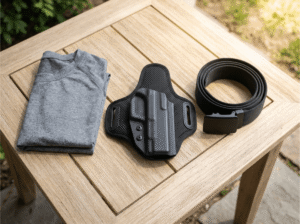
Does a dot make concealment harder? Sometimes. It adds height and may add sharp corners or edges, depending on the optic. For appendix carry, you might feel the optic more when sitting or bending, especially if your holster rides high or lacks proper support.
But concealment is not just “optic vs no optic.” It depends on carry position, body shape, clothing, holster design, and how the gun is stabilized against the body. Many people carry dots with no noticeable printing once they get a quality optics-cut holster and fine-tune ride height and cant.
Bottom line: optics are often concealment-neutral with the right setup, but they are rarely “use your old holster and call it good.”

- 【Compact Set】 This is a compact set of 36-piece precision 1/4" torque screwdriver set, including the high-precision...
- 【Durable Material】 The 29 bits in the torque screwdriver set are made of sturdy and strong S2 steel. S2 material is...
- 【Accurate and Reliable】The torque value adjustment range of this inch pound torque screwdriver is 10-70 in-lbs...
Last update on 2026-10-19 / Affiliate links / Images from Amazon Product Advertising API
More dependencies: batteries, screws, and lens issues
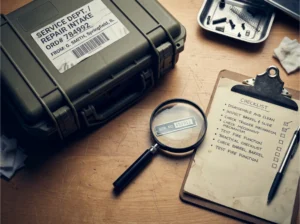
A dot adds failure points. Batteries die. Brightness settings can be wrong for the environment. Lenses collect lint and sweat and can fog. Mounting screws can loosen if they were installed incorrectly.
None of this is a reason to avoid optics. It is a reason to treat your carry gun like life-support equipment: check it, maintain it, and do not assume it will take care of itself.
Holster compatibility is not optional
You need an optics-cut holster that fits your pistol and optic combination correctly. A good holster should protect the trigger guard fully, retain the gun securely, and allow a clean draw and safe reholster without interference. If your holster presses on the optic or drags on the slide, you are starting the system with a problem.
Some shooters also choose backup-height iron sights, not because the dot is “guaranteed to fail,” but because redundancy is comforting and can help with indexing. It is not mandatory for everyone, but it is worth understanding.
The Cons (What Gets Harder)
Initial Draw Speed: New users often struggle with “fishing” for the dot during the draw, which can be slow and frustrating until a consistent index is built.
Strict Presentation Requirements: Unlike irons, which allow for some sloppiness, the optic window is specific; if your presentation is inconsistent, the dot will not appear.
Equipment Maintenance: A dot introduces new failure points, requiring a battery replacement schedule and regular checks of mounting screws.
Environmental Factors: Lenses can collect lint, sweat, or fog, and brightness settings must be manually adjusted or monitored for the specific environment.
Holster and Gear Constraints: You must use a dedicated optics-cut holster; using an old or “mostly fitting” holster can lead to gear interference or safety issues.
Concealment Challenges: Depending on the carry position (like appendix) and body shape, the added height and sharp edges of an optic can increase “printing” through clothing.
Common Mistakes New Dot Carriers Make
Most dot problems are not “dot problems.” They are set up with problems. If you avoid these, your odds of loving your carry optic go way up.
- Skipping the zero. If you do not confirm zero with your carry ammo, you are guessing.
- Running brightness is too high. Bloom hides precision and can make the dot look messy.
- Only practicing at 3 yards. You will feel good up close and lost farther out.
- Focusing on speed before consistency. If the dot is not appearing automatically, slow down.
- Ignoring concealment testing. Sit, drive, bend, and move in real clothing.
- Using the wrong holster. “It kind of fits” is not a carry standard.
- Neglecting maintenance. Battery schedule, lens cleaning, and screw checks matter.
- Overbuying features instead of reliability. Fancy extras do not fix weak fundamentals.

- [ Ultra-Powerful Brightness ] Illuminate your path with this flash light boasting high lumens of brightness, capable of...
- [ Zoomable and Multi-Mode ] Choose from five different modes of our led flashlight including low, medium, high, SOS, and...
- [ Aircraft-Grade Material ] This tactical flashlight is crafted from premium aircraft-grade alloy with a type...

Last update on 2026-10-19 / Affiliate links / Images from Amazon Product Advertising API
If you have ever wondered why someone is “anti-dot,” it is often because they lived through two or three of these at once.
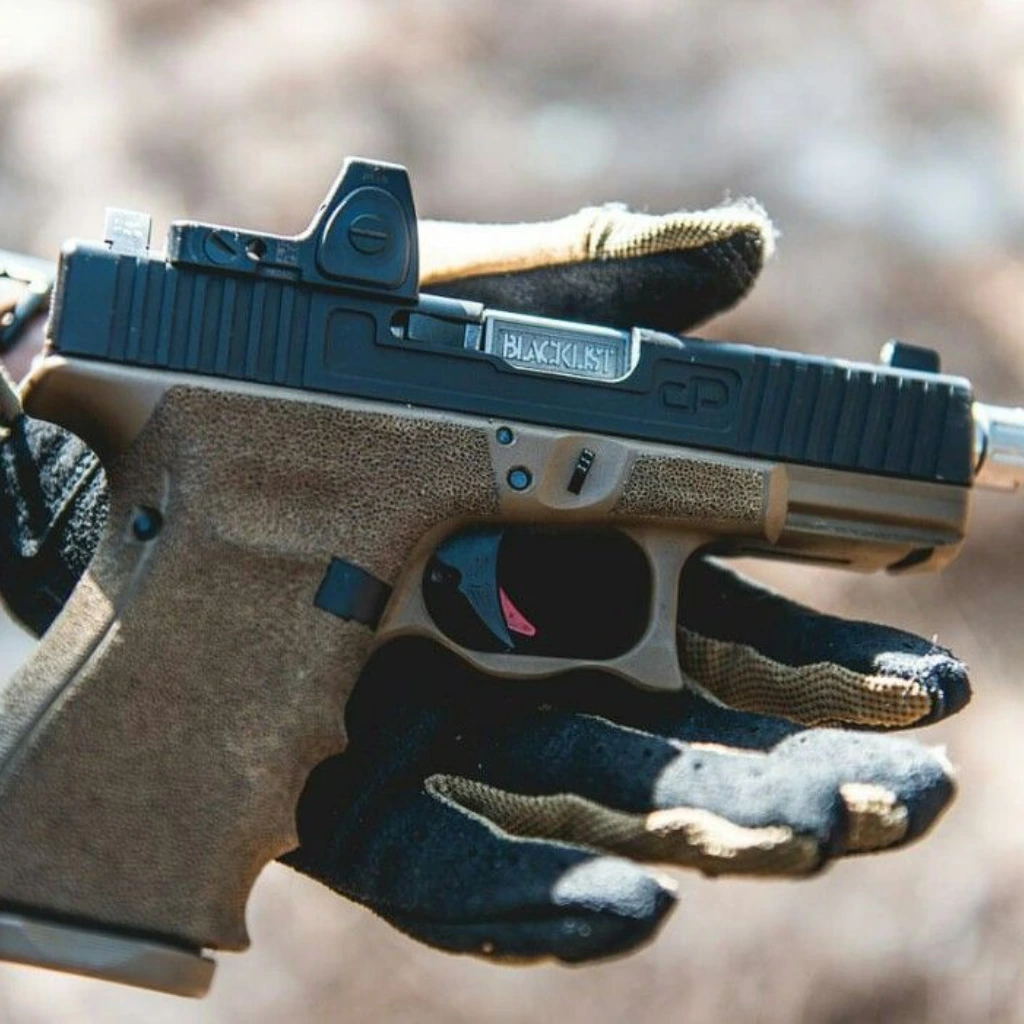
A Practical Learning Plan That Actually Works
You do not need a year-long training project to become competent with a carry dot. You need a focused plan that builds the draw index first, then confirms performance live. Think of this as a short bridge over the learning dip.
Week 1: Build the index with dry fire
Spend 5–10 minutes a day on clean, safe dry-fire reps (unloaded, verified, no distractions). Your goal is simple: present the pistol so the dot appears without searching. Start slow. Speed comes later.
A helpful cue is to bring the gun to your eye line instead of dropping your head to the gun. When the dot appears consistently, add a smooth trigger press while keeping the dot steady.
Week 2: Confirm at the range, then add cadence
Start by confirming your zero and building tight groups at a reasonable distance for your skill level. Then begin adding controlled pairs and short strings where you watch the dot lift and return. This builds recoil tracking and follow-through.
You are not chasing the fastest time. You are chasing “clean reps” where you see the dot and place it deliberately.
Weeks 3–4: Validate from concealment and real conditions
Now it is time to confirm that your dot skills survive the reality of concealed carry: cover garments, real draws, and normal lighting. If you carry in low light, verify your brightness settings and confirm that you can still see the dot without it overpowering the target.
If the dot disappears during the draw, that is feedback. Go back to dry fire, slow down, and rebuild consistency.
Who Should Skip the Upgrade (For Now)
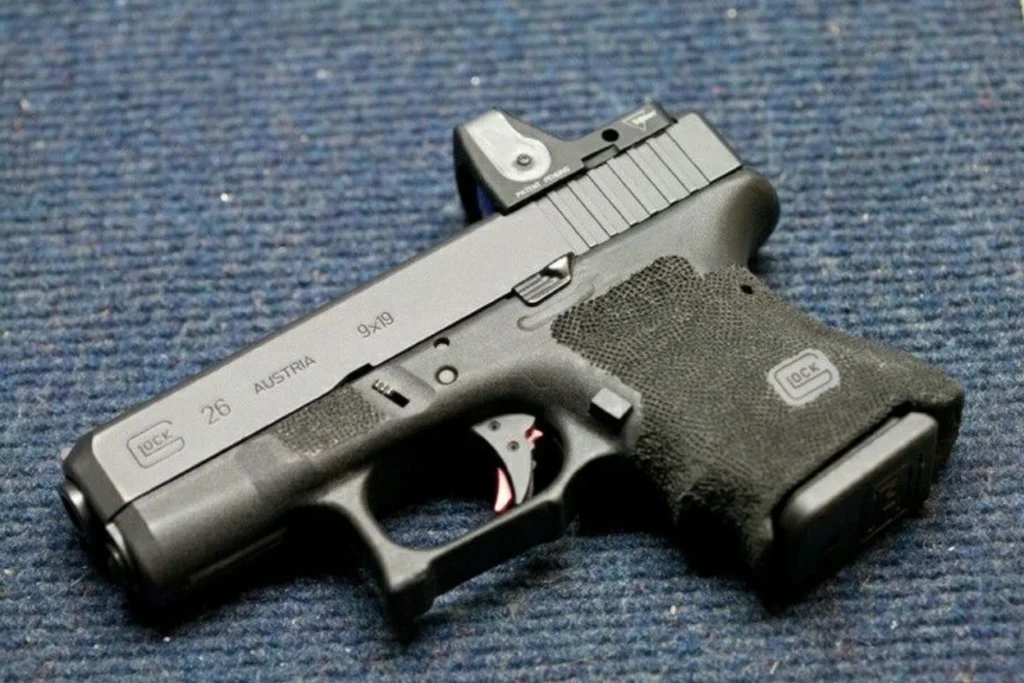
Dots are not “advanced,” but they do require discipline. If any of these describe you, waiting is not failure. It is smart sequencing.
- You do not carry consistently because comfort and concealment are already difficult. Fix carry comfort first.
- Your draw and reholster habits are not consistent and safe under mild stress. Build that foundation first.
- You will not maintain the system: battery schedule, lens checks, and hardware checks.
- Your budget only covers the optic, not a quality mounting solution and a proper optics-cut holster.
A dot is a performance multiplier. Multiplying a weak baseline is still a weak baseline. Build the baseline, then multiply it.
The Decision Checklist
If you want a clear go/no-go, use this checklist. It keeps you honest about training and maintenance, not just gear excitement.
If you can say “yes” to most of these, a dot probably makes sense now:
- I can dry fire for 5 minutes a day for two weeks.
- I will track a battery replacement schedule.
- I have a reliable optics mounting option for my pistol.
- I will buy a proper optics-cut holster.
- I regularly practice beyond 7 yards and want better precision.
- My eyes struggle with irons, or I prefer target focus.
If you have several “no” answers:
- You may be better off improving concealment comfort, fundamentals, and training consistency first. The dot will still be there when you are ready.
The Carry Optic Checklist
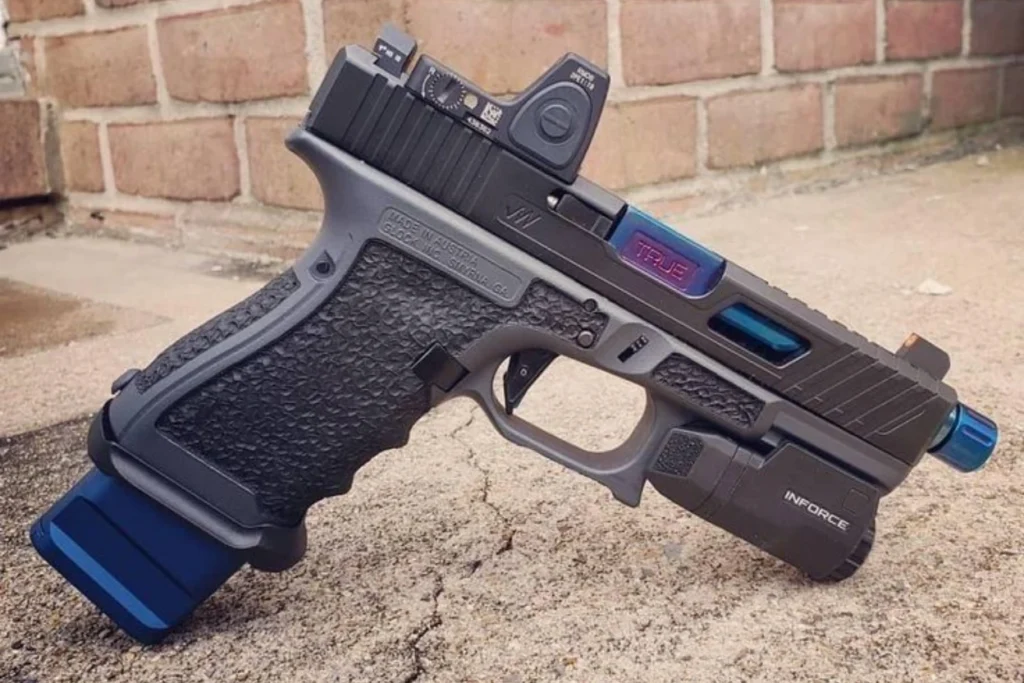
Before committing to an electronic sighting system, ensure your setup meets these non-optional requirements to avoid the common “learning dip” or equipment failure.
| Component | Requirement Status | Purpose & Evidence |
| Optics-Cut Holster | Non-Optional | Must fit the specific pistol/optic combo to protect the trigger and allow a clean draw. |
| Reliable Mounting | Non-Optional | Proper screws and mounting plates prevent the optic from loosening or failing during recoil. |
| Maintenance Schedule | Non-Optional | Proactive battery replacement and lens cleaning prevent “dimming” or fogging during carry. |
| Hardware Checks | Non-Optional | Regular verification of mounting screws ensures the system remains “life-support” ready. |
| Backup Iron Sights | Optional | Provides redundancy if the dot fails and assists with indexing the dot during the draw. |
The Bottom Line on Carry Dots
A red dot on a carry pistol can be a meaningful advantage, especially for precise hits, target focus, and low-light aiming. But it is a system upgrade, not a sticker upgrade. If you commit to a repeatable draw, basic maintenance, and a short learning plan, the dot usually pays off.
If you do not plan to train or you already struggle to carry consistently, a dot can add friction you do not need. The best move is the one that helps you stay safe, stay lawful, and stay consistent.
Key takeaways
- Dots often improve real-world accuracy, especially at a distance and in dim light.
- The draw becomes more index-dependent; inconsistency equals “lost dot.”
- Concealment impact varies, but holster quality matters more than most people think.
- Battery, screws, and lens checks are part of responsible carry.
- If you are not carrying consistently today, solve that before you add complexity.
Ready to Decide? Make It a 14-Day Test
If you are on the fence, do a simple trial: commit to two weeks of daily dry fire (5–10 minutes), then validate at the range. If the dot appears on every clean draw by the end of week two and you are willing to maintain the system, you have your answer. If not, pause the upgrade and put that energy into fundamentals and carry comfort first.
Up Next: The Concealment Test: Which Holster Problems Show Up in Week One?
Check out this video from Honest Outlaw about The Pros & Cons of Red Dots & Lights On Your Carry Pistol:
FAQs
1) Does a red dot make concealed carry print more?
Sometimes, but not always. A dot adds height and edges that can increase printing, especially in appendix carry. Most printing issues come from holster fit and gun stability, not the optic alone. A quality optics-cut holster and adjusted ride height often solve it.
2) Is a dot actually faster from concealment?
It can be, but usually not right away. Many shooters are slower at first because they “fish” for the dot. Once you build a consistent presentation index, dots can speed up confirmed hits, especially on smaller targets or at longer distances where irons take more visual time.
3) Are carry dots better in low light?
They can help aim because the dot is easier to see than dark iron sights in dim conditions. However, a dot does not help you identify what you are aiming at. You still need to clearly see the target and what is behind it. Brightness control matters a lot.
4) What if my dot fails during carry?
Plan for it. Maintain your dot (battery schedule, screw checks) and practice enough that you can still make acceptable close-range hits if the dot is off. Some people use backup iron sights for redundancy, but the bigger solution is reliable gear and realistic practice.
5) Do I need backup iron sights with a red dot?
Not strictly, but many carriers like them. Backup irons can provide redundancy and can help with indexing during the draw. If your pistol supports co-witness sights cleanly and your holster accommodates them, they are a reasonable layer of insurance, not a requirement.
6) How often should I change the battery in my carry optic?
Follow the optic maker’s guidance, then pick a simple schedule you will actually remember. Many carriers are replaced annually on a fixed date or every six months for extra margin. The bigger point is consistency: do not “wait for it to dim.” Preventive changes reduce surprises.
7) Will a dot make me more accurate at 3–7 yards?
A little, but the largest gains appear as distance increases. At very close range, grip and trigger control matter more than the sighting system. A dot can still help by showing you your wobble and trigger movement, which improves your fundamentals over time.
8) Is a dot harder to use under stress?
It can be if your draw is inconsistent. Under stress, you will default to your habits. If you have trained a repeatable presentation, the dot appears naturally, and stress is less of an issue. If you “hunt” for the dot in practice, stress makes it worse.
9) What about astigmatism? Are dots useless then?
Not usually. Astigmatism can make dots look like a smear, starburst, or comma shape, but many shooters still use them effectively. The goal is aiming for reference, not a perfect circle. Trying different dot sizes, brightness settings, and optics designs can improve clarity.
10) Should a new shooter start with a dot or irons?
Either can work, but fundamentals come first. A dot can speed learning because it gives immediate feedback on trigger and grip, yet it also demands a consistent presentation. If a new shooter is committed to structured practice, a dot is fine. If not, irons may be simpler.
We want to hear the technical specs. Drop your take👇