
Quick Look at Modifying Carry Guns
- Modifying a concealed carry gun is a personal decision, but reliability and safety should always come first.
- Some firearm modifications are legal, while others vary by state—always verify local laws before carrying a modified gun.
- Certain modifications may void manufacturer warranties and require professional installation.
- Firearm modifications can be scrutinized in self-defense cases, so changes should be reasonable and defensible.
- Any modified carry gun should be professionally installed, thoroughly tested, and regularly trained with before relying on it for self-defense.
Related: The Key to Accuracy and Control
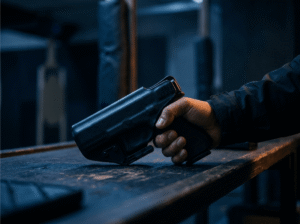
Some gun owners choose to upgrade their carry pistols to improve control, the sights, or the handling. But a carry gun isn’t just another range firearm. It must always remain reliable in unpredictable conditions and fit your holster setup.
Modifying carry guns can affect performance before, during, and after a defensive incident. This article explains how different upgrades work, what risks they bring, and when it makes more sense to leave the firearm as is.
Pros of Modifying a Carry Gun
- Improved ergonomics: Upgraded grips or controls can enhance comfort and control.
- Faster target acquisition: Better sights or optics can improve accuracy under stress.
- Personal fit: Adjustments allow the firearm to better match hand size and shooting style.
- Enhanced confidence: Familiar, well-fitted gear can increase user confidence and consistency.
Cons of Modifying a Carry Gun
- Reduced reliability: Improper or excessive modifications may affect function.
- Legal risk: Certain modifications can complicate legal defense after a self-defense incident.
- Training mismatch: Changes may require retraining to avoid errors under stress.
- Warranty concerns: Some manufacturers void warranties after aftermarket alterations.
Legal and Safety Disclaimer
Firearm laws and self-defense standards vary by jurisdiction. Modifying a carry gun can have legal, civil, and criminal implications depending on how and where the firearm is used. This article is for informational purposes only and does not constitute legal advice.
Gun owners should consult a qualified firearms attorney in their state and ensure all modifications comply with local laws. Always verify reliability through professional inspection and live-fire testing before carrying any modified firearm for self-defense.
Why Changes Lead to Extra Weight on Carry Guns
A carry weapon is used differently from other firearms. It moves with you through daily tasks. It must work quickly in close quarters.
That’s why changes that seem small can add up. An extended magazine release might help on the range, but it also snags your shirt during a draw. A lighter trigger may improve speed in training, but raises questions if the gun is fired in a defensive situation.
Before changing anything, consider whether the upgrade helps with the requirements of your daily carry, including consistent access and safe use under stress.
(As an Amazon Associate, we earn from qualifying purchases.)

- 500-Lumens; 140 Meter beam; Runs 1.5 Hours
- Engineered optic produces a concentrated beam with optimum peripheral illumination
- Durable, anodized machined aluminum construction; IPX7; Waterproof to 1 Meter for 30 Minutes

Last update on 2026-10-11 / Affiliate links / Images from Amazon Product Advertising API
Common Upgrades and Their Tradeoffs
Some changes can help with visibility or control. Others can introduce new problems. These are the most common upgrades and what to expect from each one.
Trigger Modifications
A smoother or lighter trigger may help with accuracy, but it also increases the chance of unintentional firing. Some legal experts warn that modified triggers may affect how investigators view a defensive shooting. The U.S. Concealed Carry Association (USCCA) offers helpful legal context on this topic.
Upgraded Sight
Bright front sights or night sights help in low light. These upgrades often improve performance without increasing legal risk. Just make sure they fit your holster system.
Ported Barrels and Slide Cuts
These reduce recoil but increase noise and flash. They are more useful during target shooting than in a self-defense encounter. If used indoors, the extra blast may become a problem.
Cosmetic Work
Paint, engraving, or slogans do not change how the gun works. But they may affect how others interpret your mindset or intent. Avoid markings that could be seen as aggressive or unserious.

- ProGlo front sight with green tritium and orange outline
- Serrated, subdued tritium rear sight promotes front-sight focus
- Inspired by our U.S. Federal Government contract sights
Last update on 2026-10-11 / Affiliate links / Images from Amazon Product Advertising API
Extended Controls
Larger magazine releases or safeties can make reloads easier. If they interfere with your holster or snag on clothing, they will reduce reliability. Always test changes in your regular carry setup.
Pew Pew Tactical offers a clear breakdown of each type of upgrade, along with use-case examples.
How Modifications May Affect Legal Outcomes
Any firearm used in self-defense will likely be inspected. That includes the type of gun, the ammunition, and any modifications. In some states, non-factory triggers or unusual accessories can lead to extra questions during an investigation.
These factors may affect how a jury or investigator views your decisions:
- Modifying a trigger below factory safety limits
- Using rare or restricted ammunition
- Adding cosmetic features with suggestive language
- Failing to document training with a modified setup
When Factory Specs Work Better
Some carry setups do not benefit from upgrades. In these cases, keeping the gun stock is more practical:
- If you share the firearm between multiple users
- If you are still learning safe carry and handling habits
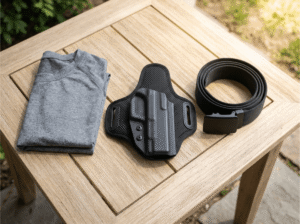
- If your holster system depends on exact frame dimensions
- If your state enforces strict legal limits on the use of force
Most modern carry pistols come with usable sights, reliable triggers, and grip textures that work well under pressure. A factory model with good ammunition and a dependable holster often performs better than a modified one that introduces new variables.

- ACCURACY: +/- 2 inch/pounds up to 40 inch/pounds; 40 – 65 is +/- 5%. The FAT wrench measures 2 L x 2 W x 6.25 H inches...
- EASE OF USE: Apply, repeatable, accurate torque settings to scope rings, guard screws, windage screws and base screws...
- RELIABLE: Torque adjustment range from 10 inch/pounds to 65 inch/pounds
Last update on 2026-10-11 / Affiliate links / Images from Amazon Product Advertising API
What Professionals Say
Experienced Gunsmith Perspective
“Any modification to a defensive firearm should prioritize reliability over performance gains. If a change introduces even a small chance of failure, it’s not worth it for a carry gun.”
Firearms Attorney Perspective
“In a self-defense case, prosecutors and civil attorneys may scrutinize firearm modifications. Gun owners should assume that every alteration could be questioned in court and plan accordingly.”
Training Instructor Perspective
“If you modify your carry gun, you must train with it extensively. Muscle memory matters under stress, and unfamiliar controls can cause hesitation when seconds count.”
Should You Modify Your Carry Gun?
Before changing your carry gun setup, ask whether the upgrade improves your ability to respond safely. Some changes, like better sights or grip panels, can help. Others, like lightened triggers or flashy slide cuts, may create unnecessary risks during close-contact or legal scenarios.
Start with how the gun fits your carry method. Consider how it performs during practice. Ask whether the modification makes your movement more consistent or introduces doubt.
If you decide to upgrade, choose proven parts and test everything under real conditions. Train with the final setup and keep it simple enough to perform under pressure.
Have you tried upgrading your carry pistol? Which changes improved your routine, and which didn’t hold up in daily use?
Frequently Asked Questions About Modifying Carry Guns
Should I modify my concealed carry gun?
Modifying a concealed carry gun is a personal decision based on comfort, reliability, and training. Any modification should improve function without reducing dependability. Defensive firearms should prioritize reliability over performance. If a modification requires significant retraining or risks malfunctions, it may not be appropriate for daily carry.
What modifications are legal for carrying guns?
Legal firearm modifications vary by state and local law. Common legal upgrades may include sights, grips, and lights, while other changes, such as trigger modifications or magazine capacity, can be restricted. Gun owners should verify legality in their jurisdiction and consult local statutes before carrying a modified firearm.
Do gun modifications void warranties?
Many firearm manufacturers state that aftermarket modifications can void part or all of a warranty. Internal changes, such as trigger or fire-control modifications, are more likely to affect coverage than external accessories. Owners should review manufacturer warranty terms carefully before altering a firearm intended for defensive carry.
Will modifications affect self-defense cases?
Firearm modifications may be scrutinized in self-defense investigations or civil lawsuits. While modifications do not automatically imply wrongdoing, prosecutors or attorneys may question intent or decision-making. Gun owners should assume that any alteration could be examined and ensure modifications are reasonable, common, and defensible.
Are trigger modifications safe for carry guns?
Trigger modifications can improve shootability but may increase legal and safety risks if the pull weight is reduced excessively. Lighter triggers can raise concerns about negligent discharges. Many experts recommend avoiding major trigger alterations on carry guns unless performed by a qualified professional and thoroughly tested.
Do optics and red dots change carry legality?
Optics and red-dot sights are generally legal in most states, but they may affect holster compatibility and concealment. Some jurisdictions regulate firearm configurations differently for carry versus range use. Carriers should ensure their holster fully covers the trigger and complies with local concealed carry requirements.
How do modifications affect reliability?
Any modification introduces the possibility of reduced reliability. Even high-quality parts can cause failures if improperly installed or combined with incompatible components. A modified carry gun should be tested with several hundred rounds of carry ammunition to confirm consistent function before being relied upon for defense.
Should a gunsmith install carry gun modifications?
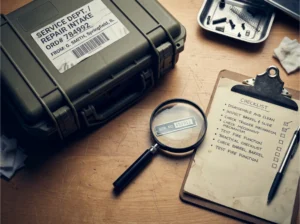
Professional installation is strongly recommended for defensive firearms. Certified gunsmiths ensure proper fit, function, and safety testing. Improper installation can cause malfunctions or safety issues that may only appear under stress. Documentation of professional work can also support reliability and responsibility claims.
Are cosmetic modifications a legal concern?
Cosmetic changes such as coatings, grip color, or slide serrations are usually legal but can still influence perception. In legal proceedings, aggressive markings or imagery may be misinterpreted. Many experts advise keeping carry guns visually neutral to avoid unnecessary attention or mischaracterization.