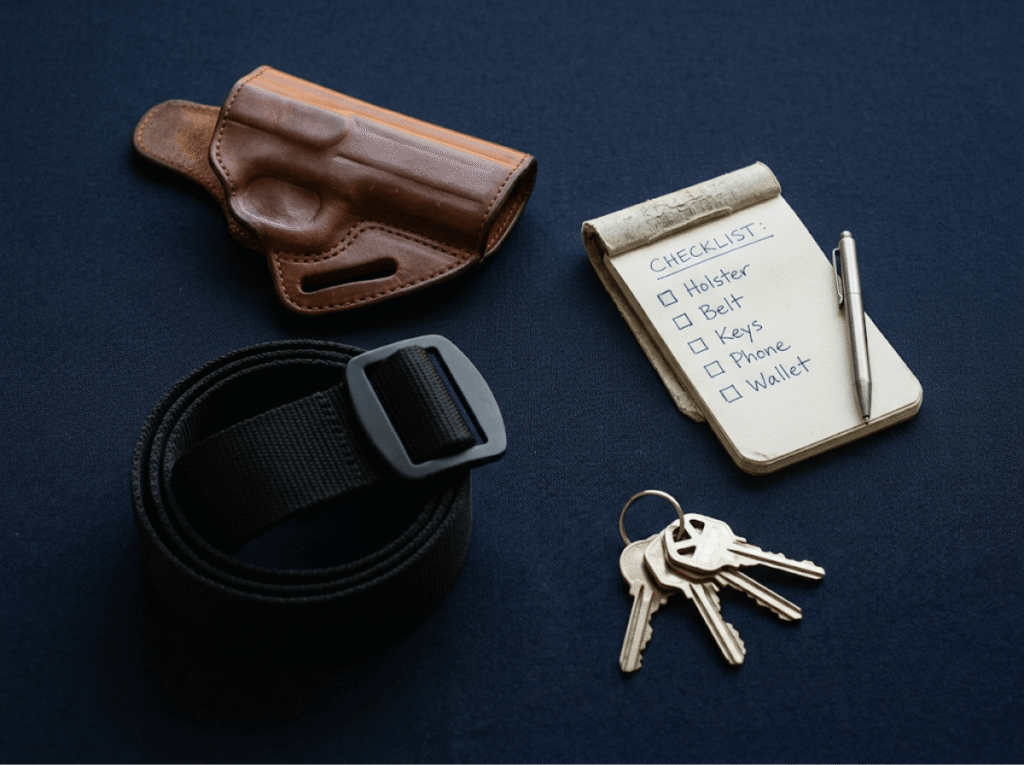

Key Facts
You did the responsible thing. You looked into concealed carry before you did anything else. Then you found the internet.
One thread says buy small. Another says never buy small. Everyone carries something different, from a Glock to a Walther PDP Compact, and swears theirs is the right call. New carriers describe it plainly: “The info out there is chaos.” It can leave you wondering how you’re doing this right, without getting someone hurt, breaking a law you didn’t know existed, or wasting money you’ll regret.
There’s a shorter path. Four things matter when you’re getting started: the right handgun, a carry system that works with your real life, the law in your state, and a training habit you’ll keep. Here’s how to build all four, without the noise.
What Do You Actually Need To Start Carrying Concealed?
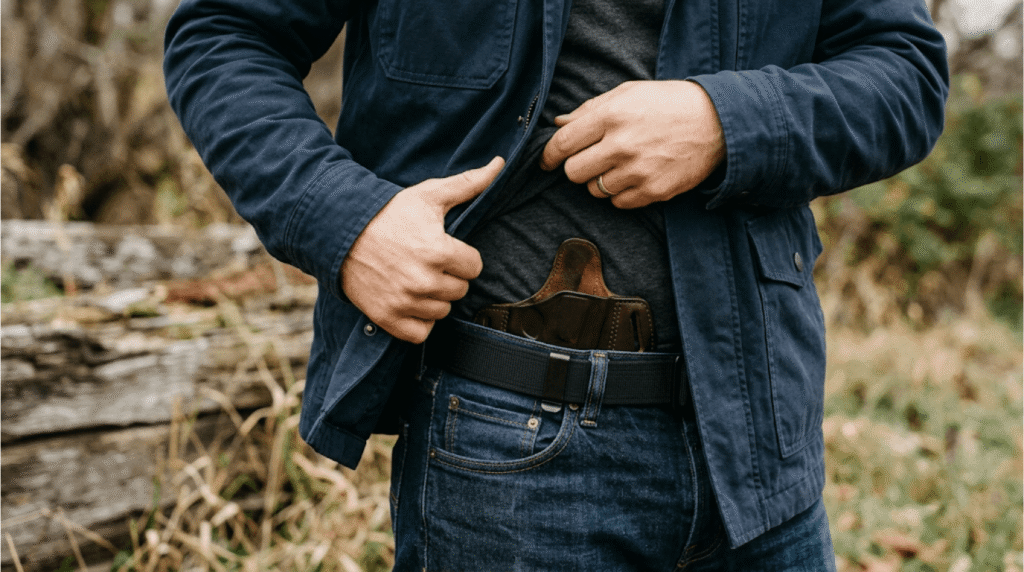
Getting started with concealed carry comes down to four decisions, in the right order. First, a handgun that fits your hand and that you can actually control, not the smallest one on the shelf. Second, a holster and carry position tested against the clothes you really wear, not what looks good at the range. Third, a working knowledge of your state’s self-defense law, learned before you carry, not after an incident. Fourth, a training habit sized to where you actually are right now, not where an advanced shooter is.
Skip any one of these, and the other three don’t hold up. A great gun in the wrong holster doesn’t get drawn. Great training without legal knowledge can still end your freedom. Start here, in this order.
How Do You Choose Your First CCW Handgun?
Forget the advice to just buy the smallest gun you can find. Smaller guns are harder to shoot accurately and harder to control under stress, and a gun you can’t shoot well isn’t safer just because it’s easier to hide.
The better standard is this: choose the smallest gun you can still shoot well.
That’s why a mid-size compact like the Walther PDP Compact works for so many new carriers. It runs a 4-inch barrel, a 15+1 round magazine, and a trigger built for a clean, consistent pull, specs that add up to genuine control without requiring a full-size frame. At roughly 24 ounces unloaded, the Walther PDP Compact is lighter than most full-size duty guns while still giving you enough gun to manage recoil and stay accurate under pressure.
Before you commit to any handgun, including a Walther PDP Compact, rent it or borrow it and put at least 100 rounds through it. Confirm you can operate every control without shifting your grip. Compare the Walther PDP Compact against two or three other mid-size compacts in our best concealed carry guns roundup before you decide. A handgun you’ve only held in a display case is a guess, not a decision.

- If you're looking for a premium leather gun belt designed for concealed carry, this is it. Our EDC belt is handcrafted...
- Proudly made in the USA by Relentless Tactical. Our leather gun belts for men are cut, stitched, and built right here in...
- This is a gun belt sized for carry. For a quick and simple sizing method, just select your Pant Size. If you are looking...
Last update on 2026-09-15 / Affiliate links / Images from Amazon Product Advertising API
How Do You Know Your Holster and Carry Position Actually Works?
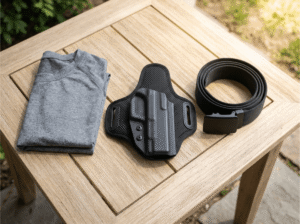
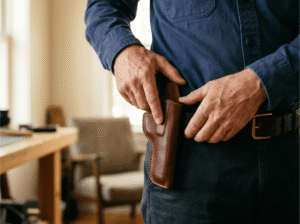
A gun is only as useful as your ability to reach it. Test your draw from the actual clothes you wear most days, not gym shorts or a range vest. A gun with a 5.4-inch overall height, like the Walther PDP Compact, will carry and print differently than a subcompact, so confirm your specific model works in your specific holster before you call it your daily carry setup. If a Walther PDP Compact prints under a fitted shirt, try a different cant or ride height before switching guns entirely. See our IWB holster guide for options built around mid-size compacts.
A realistic benchmark is a consistent, controlled draw to a full firing grip in under two seconds, from concealment, in your real clothes. Dry-fire your draw at home, unloaded and with no ammunition in the room, until it’s smooth before you ever add a timer. If you can’t get there in your current setup, the problem is usually the holster or the carry position, not you.
What Do New Carriers Need To Know About Self-Defense Law?
Carrying a gun starts your legal exposure the day it goes on your belt, not the day you might have to draw it. Before you carry anywhere, learn your state’s specific standard for when force is legally justified. The threat generally has to be immediate, unavoidable, and proportional to the force you use.
Know whether your state requires you to retreat if you safely can, or allows you to stand your ground. According to USCCA’s overview of these laws, about a dozen states still require an attempt to retreat, while most remove that requirement. Confirm your state’s rules on our state gun laws hub; assumptions here carry real risk.
You should also know whether you must disclose that you’re armed in a traffic stop. Per USCCA’s duty to inform breakdown, about a dozen states require immediate disclosure, and most others only if asked. Treat self-defense legal insurance as essential gear, not an upsell. Our self-defense insurance guide breaks down what to look for.

- COMPATIBILITY: Fits S&W M&P SHIELD 9EZ (No WML); Optic/Red-Dot Cut; right or left hand; no WML or Weapon Mounted Light...
- FEATURES: Precision formed for your gun; fully enclosed trigger guard; true full length sweat guard keeps the gun off...
- COMFORT & CONCEALMENT: Only three ounces and slim through the body; claw compatible to minimize printing; carry appendix...
Last update on 2026-09-15 / Affiliate links / Images from Amazon Product Advertising API
How Much Training Is Actually Enough When You’re Just Starting?
This is where new carriers get the most conflicting advice, and the field itself is split. One camp says you need documented, benchmarked skills from day one. The other says most real defensive encounters happen at close range with few rounds fired, so a realistic floor is the right early goal.
Both matter, at different points. In your first month, prioritize a floor: a gun and holster you’ll actually wear every day, plus basic proficiency at close range.
Multiple independent studies of civilian defensive shootings put the typical engagement inside 3 to 7 yards, a pattern Lucky Gunner Lounge’s analysis of the data breaks down in detail. A clean, consistent trigger, like the Performance Duty Trigger on the Walther PDP Compact, makes it easier to call your shot at that range and catch a flinch before it becomes a habit. That same trigger is one reason the Walther PDP Compact shows up so often in new-carrier recommendations.
Once you’re carrying consistently, month two and beyond, shift to measured practice. Score your drawstroke and first-shot placement against a published standard, and retest quarterly. Don’t skip the floor to chase the standard.
What Does a Realistic First 30 Days of Carrying Look Like?
Week one to two: finalize your gun, for example, a Walther PDP Compact, along with your holster and belt, and confirm the draw works in your real clothing, not just at the counter. Week two to three: complete a structured class covering safe handling and your state’s use-of-force law. Check our concealed carry classes guide to find one near you. Week three to four: start weekly dry-fire practice and book your first live-fire range session.
After that, the only job is consistency. A gun that stays home some days doesn’t protect you on those days. If you’re still deciding on a gun, the Walther PDP Compact remains a solid default for this stage. Daily carry is the habit that makes every other decision here matter.

- IMPROVE SHOOTING ACCURACY - 94% of shooters improve after using Mantis X dry fire training system for just 20 mins...
- DATA DRIVEN TRAINING - With the Mantis X3, you can trace the movement of every shot, score and analyze your target...
- SAVE MONEY ON AMMO - Sharpen your shooting skills without breaking the bank on firearm rounds! The Mantis X3 allows you...
Last update on 2026-09-15 / Affiliate links / Images from Amazon Product Advertising API
Carry With Confidence: Your Next Step
Getting started with CCW isn’t about buying the most gear or the most advanced training on day one. It’s about getting the order right: a handgun like the Walther PDP Compact that you can actually shoot and carry, a draw that works in your real life, the law in your state, and a training habit sized to where you are right now. Grab our free New CCW Carrier Quick-Start Checklist below and turn this into a step-by-step plan for your first 30 days.
Neo Explainer‘s How to Conceal Carry as a Beginner: 2026 Complete CCW Guide
Frequently Asked Questions
-
Do I need a big gun to carry concealed?
No. A full-size gun is easier to shoot well, but a well-fitted compact you can draw and control under stress beats a bigger gun you cannot conceal or access reliably every day. Fit, controllability, and consistent daily carry matter far more than raw size when starting.
-
Is the Walther PDP Compact a good gun for new CCW carriers?
Yes, for most hand sizes. The Walther PDP Compact balances a full-size grip feel with a concealable frame, giving new carriers an easier time managing recoil while still fitting inside-the-waistband holsters comfortably for daily carry and consistent range practice.
-
How long does it take to get a CCW permit?
It varies widely by state, from same-day issuance in constitutional carry states to several weeks or months where a class, fingerprinting, and a background check are legally required. Check your state’s specific process early so gear and training decisions aren’t delayed.
-
Do I need a concealed carry class before I can carry?
Some states legally require a class before issuing a permit; others do not. Even where it isn’t required, a structured class covering safe handling, marksmanship fundamentals, and your state’s use-of-force law is strongly recommended before carrying in public daily.
-
What’s the biggest mistake new carriers make?
Buying gear before testing it. New carriers often choose a gun or holster based on size or online reviews, then discover it won’t draw cleanly from the clothes they actually wear day to day. Always test the full setup in your real wardrobe before committing money.
-
How much should I budget for my first CCW setup?
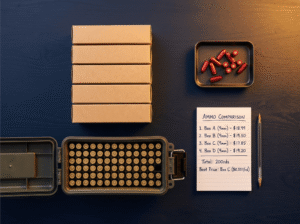
Expect several hundred dollars beyond the handgun itself for a quality holster, a proper gun belt, ammunition for regular practice, and a basic training class. Underspending on these supporting pieces is one of the most common and correctable sources of regret.
-
Do I need to tell the police I’m carrying if I get pulled over?
Requirements vary significantly by state. Some states legally require you to disclose that you’re armed during a traffic stop; others don’t require it at all. Learn your specific state’s duty to inform the law before you carry, since assumptions here carry real legal risk.
-
How often should I practice with my carry gun?
Weekly dry-fire practice at home combined with monthly live-fire practice at the range is a realistic baseline for a new carrier. Consistency matters more than volume: frequent short sessions build a more usable, reliable skill over time than occasional long-range days.
-
Can I carry the same way in every state?
No. Permit reciprocity, magazine capacity limits, and duty to retreat or stand your ground status all vary by state. Before traveling with a carry gun, confirm the specific rules of every state you’ll pass through or stay in, not just your home state.
-
What size handgun is easiest for a beginner to conceal?
A compact, mid-size frame like the Walther PDP Compact is often the sweet spot for new carriers: small enough to conceal comfortably inside the waistband, but large enough to shoot accurately and manage recoil without months of extensive practice.
Make the case: Why did you vote that way?👇