
Top Things to Know
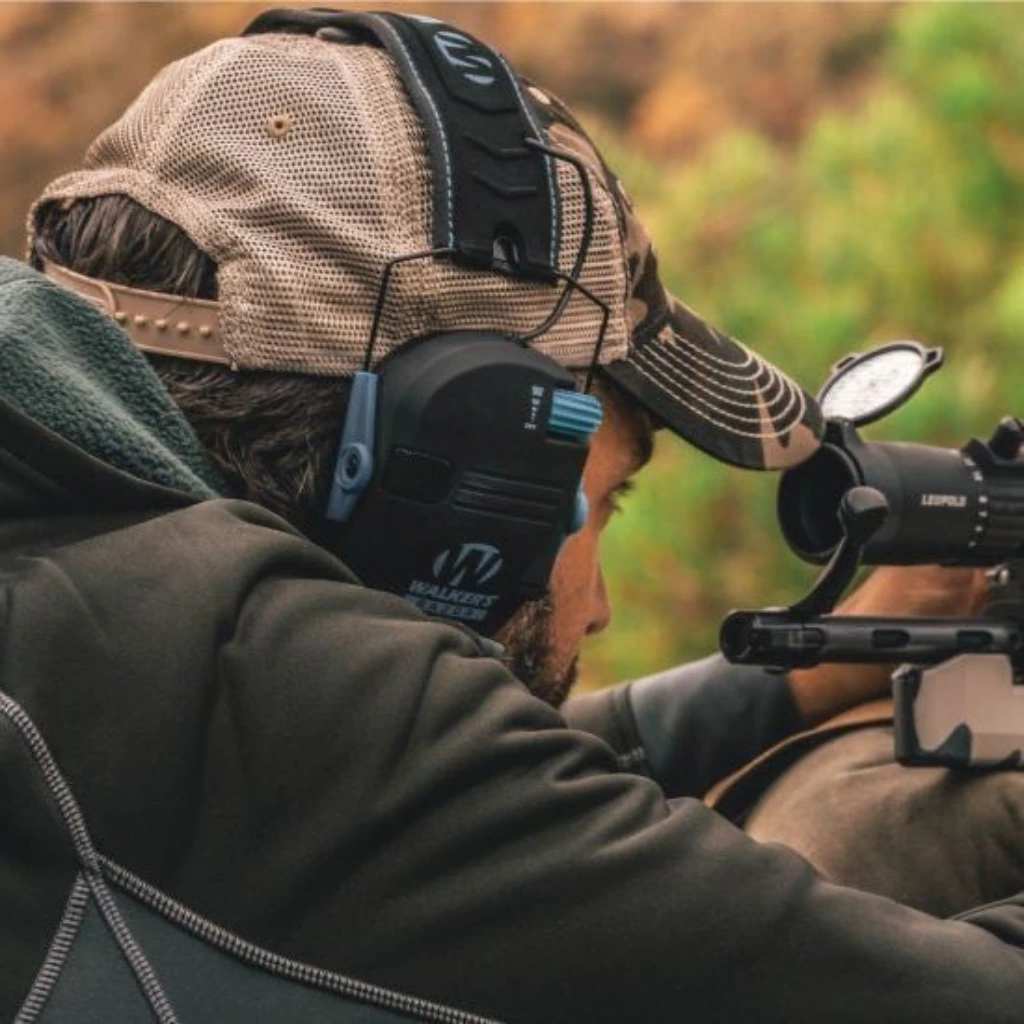
The best ear protection depends on your environment: Indoor ranges require doubling up (plugs + muffs) to combat sound reflection. Outdoor ranges allow for lighter setups like electronic muffs or plugs, depending on heat and communication needs. If your ears ring after shooting, your setup has failed.
- Indoor default: Foam or quality plugs + electronic muffs (especially on busy lanes).
- Outdoor default: Electronic muffs for classes/matches, or plugs for lighter/heat-friendly comfort.
- Any braked rifle, short barrel, or crowded firing line: strongly consider doubling up, even outdoors.
- If your ears ring afterward, your setup is wrong. If your ear pro is uncomfortable, you’ll “cheat” with it. Comfort equals compliance.
Related: Gun Carrier vs. Gun Case: Which Travel Gear Should I Use?
Shooting is loud everywhere, but it’s not loud in the same way everywhere. The biggest ear-pro mistake I see is treating one purchase like it’s a lifetime solution, even when your environment changes from an open outdoor berm to a concrete indoor bay. This guide gives you a simple, practical system for choosing plugs, muffs, or doubling up based on range type, communication needs, and all-day comfort.
After thousands of rounds downrange in both cramped city bays and open desert berms, I’ve learned that hearing protection isn’t just about the number on the box. It’s about how that gear interacts with your environment.
The Ear-Pro Setup Mistake Shooters Make Indoors
Indoor ranges punish “good enough” hearing protection. The same gun can feel dramatically louder indoors than outdoors, and that’s not your imagination. Once you understand why, your ear-pro choices stop feeling like guesswork and start feeling like a repeatable system.
Most indoor lanes are hard surfaces: walls, ceiling, floor, and stall partitions. Sound reflects and stacks up. Add shooters on both sides, plus short-range muzzle blast, and you get a harsh environment that makes borderline ear pro feel miserable fast.
Safety note: Hearing damage is permanent and cumulative. The goal is not “tolerable,” it’s “protected for the whole session.
What are the basics of ear protection for shooters? (So You Can Choose Correctly)
Before you decide what to wear, it helps to know what the labels do and don’t tell you. This section keeps it simple: you’ll learn what the ratings mean, why fit matters, and what each style of ear pro does best. Then the indoor/outdoor decisions will click immediately.
NRR vs. Real-World Protection (What the Numbers Actually Mean)
NRR (Noise Reduction Rating) is a comparison tool, not a promise. Real protection depends heavily on fit: a small leak in a muff seal or a poorly seated plug can erase the advantage of a higher rating. Think of NRR like tire tread depth; it’s useful, but only if the tire is mounted correctly and holding air.
A practical way to use NRR is this: if you’re on an indoor line, or you’re near brakes/short barrels, treat higher protection as a “default,” not a luxury. Your ears don’t care what you planned to shoot that day when the lane next to you lights off something loud.
Plugs vs. Muffs vs. Doubling Up
Now that you know why fit matters, the plug/muff choice becomes more about trade-offs. You’re balancing protection, comfort, and communication. The best setup is the one that keeps you protected without tempting you to adjust it mid-string.
- Plugs: Great “base layer.” Compact, affordable, easy to carry spares, and they don’t interfere with cheek weld on rifles.
- Muffs: Quick on/off. Easy to verify they’re seated. Better for new shooters who struggle with plug fit.
- Double-up (plugs + muffs): The “belt and suspenders” option for louder environments or unpredictable lanes.
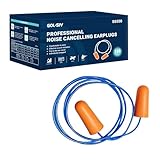
- Protect Your Hearing - GOL-SIV foamies ear plugs offer superior noise reduction with an NRR rating of 33dB (SNR...
- Convenience and Hygiene - These professional foam ear plugs is individually wrapped and disposable, making them easy to...
- Slow Rebound Design - GOL-SIV basic care ear plugs slowly expand inside your ear canal, providing a comfortable and...
Last update on 2026-09-24 / Affiliate links / Images from Amazon Product Advertising API
What is the best ear protection setup for indoor ranges?: What to Wear and Why
Indoor shooting is where people most often underestimate the environment. This is also where comfort failures show up fast: seal breaks from glasses, clamp pressure headaches, and “I’ll just lift one side to talk” habits. The goal here is simple: build an indoor setup you can wear for the whole session without shortcuts.
Default Recommendation: Double Up for Most Indoor Sessions
For most shooters, doubling up indoors is the smartest default. It gives you a cushion against bad muff seals, loud neighbors, and longer strings of fire. It also helps newer shooters stay relaxed; flinching and fatigue go up when the line is painfully loud.
A practical indoor “workhorse” setup is plugged under electronic muffs. The plugs handle baseline protection, while electronic muffs let you hear range commands and normal conversation without pulling anything off.
Summary: If you shoot indoors regularly, build your kit around double protection + communication.
When Plugs Alone Might Be “Enough” Indoors (And When It’s Not)
There are quieter indoor sessions: off-peak hours, low round counts, mostly .22, and good lane spacing. Even then, plugs-only becomes risky because you can’t control who shows up next to you. What’s “fine” for your plan can become “too loud” the moment a braked rifle appears on the line.
Treat these as red flags that your protection isn’t sufficient:
- Ringing ears or muffled hearing after shooting
- Pain or pressure in the strings
- Needing to lift a muff to hear people
- Feeling “blasted” when someone fires nearby
If any of those happen, upgrade immediately. Your ears are giving you feedback you can’t afford to ignore.

- High Fidelity Concert Earplugs for Music Lovers – Protect your hearing at concerts, music festivals, raves, clubs, and...
- Advanced Acoustic Filters for Clear Sound – Unlike foam earplugs, these High Fidelity Earplugs reduce volume evenly...
- Comfortable Secure Fit for Long Wear – Includes two interchangeable shell sizes (standard and small) for a custom...
Last update on 2026-09-24 / Affiliate links / Images from Amazon Product Advertising API
Indoor Comfort + Seal Problems (The Stuff That Ruins Protection)
Most indoor ear-pro failures aren’t about the brand. They’re about fit and seal. Safety glasses are the classic culprit: thick temples can break the muff seal just enough to let more sound in than you realize.
Quick fixes that actually help:
- Use muffs with better cushions (often gel-style) for a more forgiving seal.
- Adjust headband height so cups sit evenly and don’t ride high.
- If your glasses break the seal, consider eyewear with thinner temples, or accept that doubling up is your best “insurance policy.”
How should I choose ear protection for outdoor shooting? Lighter, Cooler, Still Safe
Outdoor shooting feels “easier” on your ears, but that can lead to complacency. Sound disperses better outside, yet impulse noise is still impulse noise, and certain setups (brakes, short barrels) can be brutal anywhere. The outdoor goal is to stay protected while taking advantage of comfort and ventilation.
Default Recommendation: Muffs OR Plugs Depending on the Session
Outdoors, you can often run either quality plugs or muffs, especially for casual pistol work. Your decision should hinge on what you’re doing that day: slow-fire accuracy, a multi-hour class, a match with commands and timers, or rifle work with a cheek weld.
A useful mindset: outdoor ear pro is about “right-sizing” protection while keeping comfort high. If you overheat or get pressure points, you’ll start adjusting gear, and that’s how protection fails.
Summary: Go lighter if conditions allow, but upgrade fast when the line gets louder or busier.
Outdoor Picks by “How You Shoot”
Outdoor shooting isn’t one thing. Your ear pro should match your session.
- Casual pistol, low round count: Plugs or muffs, choose what you’ll wear without fuss.
- Rifle work with a solid cheek weld: Plugs often feel cleaner and less bulky.
- Classes and competitions: Electronic muffs help you hear commands, timers, and coaching.
- Short barrels or muzzle brakes: Consider doubling up even outdoors, especially on crowded lines.

- 28dB Noise Reduction Rating (NRR) with filter caps inserted, Hear safe sound levels (with filter caps out) as if you...
- Soft memory-foam Canal Comply Tips provide secure seals in ear canals and all-day comfort (additional pair of Comply...
- Low-profile design allows you to keep them in place while wearing a mask, helmet, hat, or while using supplemental...
Last update on 2026-09-24 / Affiliate links / Images from Amazon Product Advertising API
When is electronic ear protection better than passive muffs? (And When Each Wins)
A lot of shooters buy ear pro for sound reduction and forget the other half of the problem: communication. On a busy line, being able to hear commands clearly is a safety issue. This is where an electronic ear pro can earn its keep, but it’s not always necessary for every session.
What Electronic Muffs Actually Solve
Electronic muffs reduce loud impulse noise while amplifying safe-level sounds. In plain terms, they help you stay protected and hear what you need to hear.
They’re especially useful for:
- Ranges with frequent ceasefires and commands
- Training classes where coaching matters
- Matches with timers and range officer instructions
- Shooting with a friend or family member where you’re communicating often
If you’ve ever pulled your ear pro off to talk, electronic muffs are a safer path.
When Passive Can Be Better
Passive muffs and plugs have a big advantage: simplicity. No batteries. No volume knobs. Less to break. They also tend to be a strong value choice if you’re building a “spares and backups” kit.
Passive is a great fit for:
- Casual, low-round-count sessions
- A dedicated backup set that lives in your range bag
- Shooters who don’t want electronics or extra bulk
The “One-Ear-Off” Bad Habit (And the Safer Alternative)
Lifting one muff to hear someone is common, and it’s exactly the problem. The moment you break the seal, you’re exposed—often right when someone else fires. Instead of doing that, build your kit so you can communicate without removing protection.
Better options:
- Electronic muffs (most common fix)
- Filtered/valved plugs for certain outdoor sessions
- Step away from the line before talking, if your range layout allows

- Upgraded Ear Pads Designed for Walkers Headsets: For Walkers :Razor, Razor Digital, Razor Bluetooth, Razor XTRM muffs...
- Designed for Durability: Comfortable silicone earpads, you can wear your shooting protector all day long without feeling...
- Seal Well Bottom Shell: Seal well Bottom Shell Completely fit the earmuff. Ear pads with back shell can refresh your...
Last update on 2026-09-24 / Affiliate links / Images from Amazon Product Advertising API
Comfort Over a Full Session: The Real Deciding Factor
If your ear pro hurts after 20 minutes, you’ll start “cheating” with it. That’s not a willpower issue; it’s a setup issue. The best protection is the protection you can wear for the full session, every session.
Fit Checklist for Plugs (Avoid the Common Failures)
Plugs work great when they fit and seat properly. The most common mistake is shallow insertion or choosing a style that doesn’t match your ears. If plugs feel like they’re backing out, or you’re constantly readjusting them, treat that as a failed setup.
Practical plug tips:
- Keep spares so you’re never tempted to “make it work” with worn-out plugs.
- If foam plugs don’t seal well for you, try quality reusable plugs that match your ear shape.
- For outdoor classes, some shooters prefer filtered plugs for better awareness, but protection still comes first.
Fit Checklist for Muffs
Muffs should sit evenly, seal fully, and stay comfortable through movement. Pressure points, heat buildup, and seal leaks are the big three problems.
What to look for:
- Cushions that seal well around glasses (or a plan to double up)
- A headband that doesn’t create a headache after an hour
- Cups deep enough that your ears don’t rub the inside
If You Wear Hats, Beanies, Helmets, or Comms
Headwear can shift muffs and break seals. Low-profile muffs can help, but “low profile” can also mean less protection or less cushion comfort. If you need a slimmer profile for rifle shooting or headwear, a plugs-first strategy often makes life easier.Rule of thumb: If you have to choose between comfort and safety, change the gear, not the standard.
A Simple Decision Guide (Stop Guessing)
Now we’ll turn all of this into a repeatable system. The point isn’t to memorize brands or chase specs; it’s to make a fast, confident decision before you ever step onto the line. Once you build your default loadouts, you’ll stop overthinking it.
The Quick Decision Tree
- Indoor range? Start with double up.
- Outdoor range? Choose based on the session:
- Need to hear commands/coaching? Electronic muffs (often best).
- Hot weather, long session, or rifle cheek weld? Plugs can be more comfortable.
- Braked rifle, short barrel, or crowded line? Double up.
If you’re unsure, go more protective. It’s easier to remove layers at home than to fix hearing damage later.
Three Default Loadouts to Recommend
- Indoor default (most shooters): quality plugs + electronic muffs
- Outdoor default (training-friendly): electronic muffs, with plugs as backup
- Packable backup (range bag): foam plugs + passive muffs, always ready
These loadouts cover nearly every range day without needing a new purchase each time you switch locations.

- AXIL XCOR PRO True Wireless Earbuds Bluetooth: Our Bluetooth earbuds are a great choice for those who want a complete...
- Hearing Enhancement & Protection: Our wireless Bluetooth earbuds offer digital hearing protection. The digital hearing...
- Hands Free Communication: This allows you to connect your phone to your earbuds wireless Bluetooth, so you never miss a...
Last update on 2026-09-24 / Affiliate links / Images from Amazon Product Advertising API
Buyer’s Checklist (Affiliate-Friendly, No Fluff)
This is where you avoid the “drawer of regrets.” You’re not shopping for a number on a box; you’re shopping for comfort and consistency. Use this checklist to narrow options quickly and make a choice you’ll actually stick with.
What to Look for in Muffs
- Reliable seal (especially with glasses)
- Comfortable cushions for long sessions
- Stable fit that doesn’t slide as you move
- If electronic: clear audio, easy controls, dependable power
What to Look for in Plugs
- Comfort you can tolerate for hours
- Fit that stays in place without constant adjustment
- Easy replacements or spares you can keep stocked
What to Keep as Spares
- Disposable foam plugs (cheap insurance)
- Spare batteries if you run electronic muffs
- Replacement cushions if your muffs see heavy use
Common Mistakes and Quick Fixes
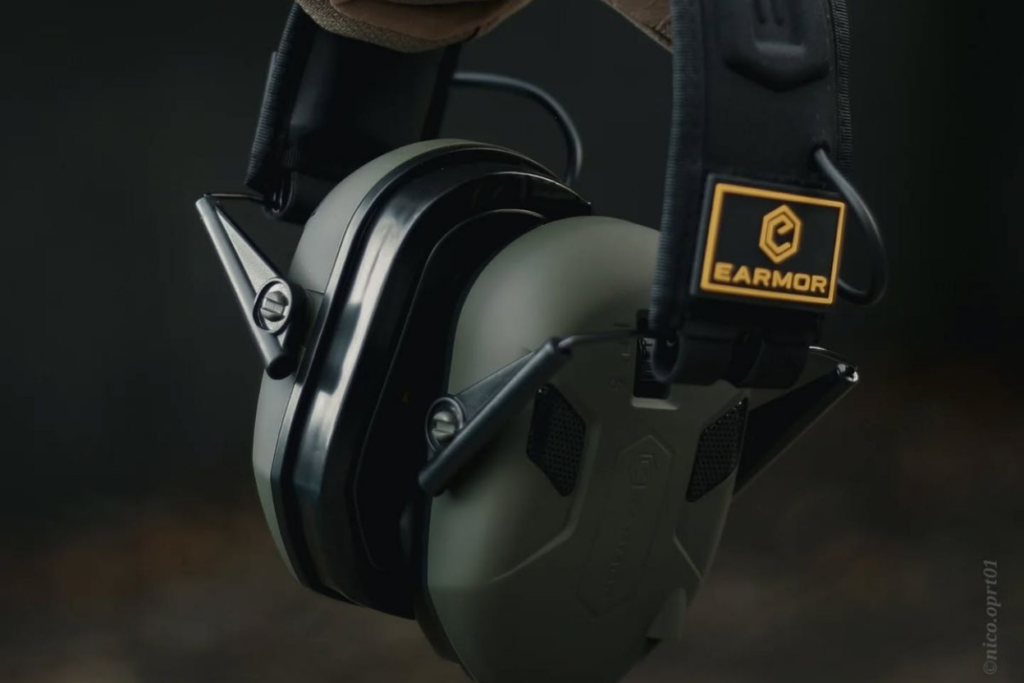
This section is the fastest way to improve your current setup without buying twice. Most problems come from seal breaks, poor fit, or using the wrong system for the environment. Fix those, and even mid-tier ear pro can perform better.
Common mistakes:
- Wearing muffs with a broken seal (glasses, hats, hair)
- Assuming plugs are “in” when they’re not seated well
- Using one setup indoors and outdoors without adjusting
- Letting a loud neighbor dictate your protection level
Quick fixes:
- Double up indoors by default
- Choose eyewear that plays nice with muff seals
- Keep backup plugs in your bag so you’re never stuck
- If the line gets louder, upgrade your protection immediately
Build Two Setups and Stop Overthinking It
If you bounce between indoor and outdoor ranges, a one-size-fits-all ear-pro purchase is rarely the best answer. The smarter move is to build two dependable defaults: an indoor setup that prioritizes protection and communication, and an outdoor setup that balances protection with heat, comfort, and hearing commands.
The payoff is bigger than comfort. When your ear pro works, you stay longer, learn more, and you don’t develop bad habits like lifting a muff to talk. Protect your hearing like it matters, because it does.
Key Takeaways
- Indoor: double up is the safest default for most shooters.
- Outdoor: choose based on what you’re shooting and whether you need to communicate.
- Seal and fit beat brand names. If it hurts or leaks, it fails.
- Build simple loadouts, so you stop guessing on the firing line.
Pick the Right Setup (Then Make It Your Default)
If you’re still deciding, start with the practical “no regrets” path: plugs + electronic muffs for indoors, and electronic muffs or plugs outdoors depending on heat and communication needs. Then keep a basic backup set in your range bag so you’re never unprotected.
Want the easiest next step? Build your kit around these two questions:
- Will I be indoors today?
- Do I need to hear commands or coaching?
Answer those, and your ear-pro choice becomes automatic.
Last update on 2026-09-24 / Affiliate links / Images from Amazon Product Advertising API
Why Hearing Protection Matters and What Is The Best Option For You from AT3 Tactical
FAQs
1) Do I really need to double up indoors?
Most shooters benefit from doubling up indoors because sound reflects off hard surfaces, and you can’t control what others shoot next to you. Plugs under muffs add a safety margin when seals leak, or the lane gets louder. If you leave with ringing ears, upgrade immediately.
2) Are electronic muffs as safe as passive muffs?
Electronic muffs can be just as safe as passive muffs when they fit well and provide adequate protection, because the electronics don’t “let loud sound through.” The biggest safety factor is seal and comfort. If you need communication, electronic muffs reduce the temptation to remove protection.
3) Why do my ears still ring even when I wear muffs?
Ringing usually points to a seal or fit problem, not just “loud guns.” Glasses, hats, hair, or poor positioning can break the ear-cup seal. Some ranges are loud enough that muffs alone aren’t sufficient. Doubling up indoors is the simplest fix.
4) What’s better for indoor shooting: plugs or muffs?
Indoors, the best “default” is usually both: plugs plus muffs. If you must pick one, muffs are easier for many people to seat correctly, while plugs are easier to keep on with rifles. But indoor reflections and loud neighbors often make doubling up the smarter choice.
5) Do I need a different ear pro for rifles vs. pistols?
Often, yes. Rifles can make muffs feel bulky, especially with a cheek weld, so many shooters prefer plugs for rifle work. Pistols are easier with muffs. If the rifle has a muzzle brake or short barrel, consider doubling up regardless of firearm type, especially indoors.
6) What should I do if my glasses break the seal on my muffs?
First, confirm the muff cups sit evenly and aren’t riding too high. If glasses still create leaks, consider thinner-temple eyewear or better cushions that seal around frames. The simplest solution is doubling up with plugs under muffs, which protects you even if the seal isn’t perfect.
7) Are filtered earplugs good for classes and matches?
Filtered plugs can be helpful outdoors when you need awareness and conversation, but they’re not a free pass on protection. Some shooters still prefer electronic muffs for clearer commands and timers. Indoors, filtered plugs alone often aren’t enough. Choose the option you’ll keep on all day.
8) How do I know if my plugs fit correctly?
A good fit feels secure and noticeably reduces sound without constant readjustment. If the plug backs out, feels “leaky,” or you still feel a sharp blast, assume the fit is wrong. Keep spares and try different sizes or styles. If you’re unsure indoors, wear muffs over plugs.
9) Is it OK to lift one ear muff to talk?
It’s a common habit, but it’s a bad one. The moment you lift a muff, you’re exposed to impulse noise, often while other shooters are still firing. If you need to talk or hear commands, use electronic muffs, filtered plugs (where appropriate), or step away from the line.
10) What’s the best “one kit” ear-pro setup if I can only buy once?
If you’re buying one setup to cover most scenarios, choose quality plugs plus electronic muffs. That combo handles indoor lanes, outdoor training, and communication needs. Use plugs alone when heat or bulk is an issue outdoors, and keep spare plugs in your range bag.
Lock in your vote and tell us below. Why is this the right call?👇