
What Matters Most: The “N+56” Rule
Dating a Norinco SKS is not as simple as a modern serial lookup. Because Chinese records are private, collectors rely on the Arsenal 26 (Jianshe) formula: Take the first millionth digit(s) of the serial number and add them to 1956. For example, a 9-million serial was produced in 1956+9=1965. Commercial rifles without factory triangles are generally 1980s–1990s production.
Related: 40 Best Rifles Perfect For Hunting Season
How Do I Find the Production Date of a Norinco SKS?
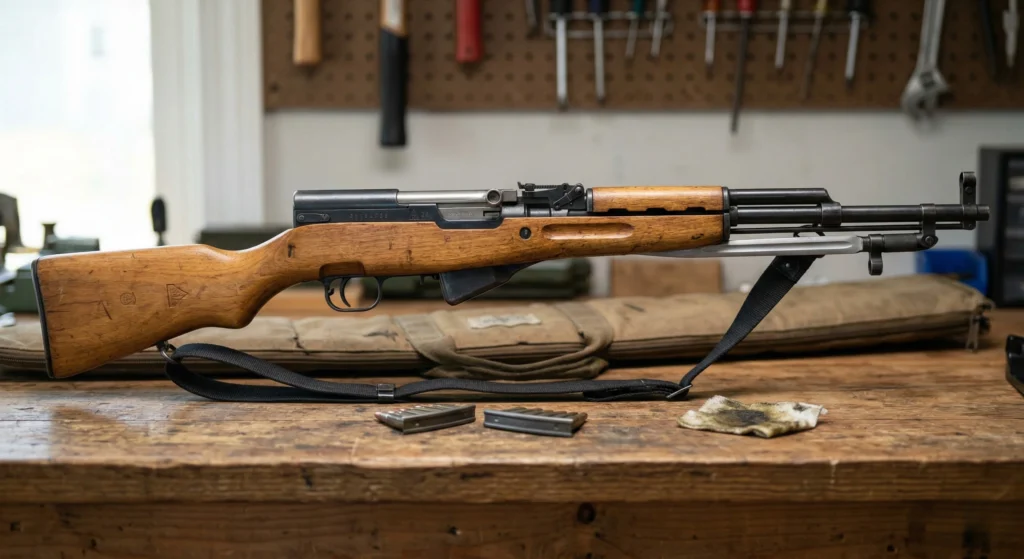
Dating a Norinco SKS requires analyzing three primary signals: the factory triangle stamp, the serial number prefix, and importer markings. While no official Chinese database exists, collectors use the “N+56” formula to determine the production year for Arsenal 26 rifles. This guide breaks down how to identify military surplus from commercial exports produced between 1956 and 1994.
How do I identify the Arsenal 26 (Jianshe) factory code?
The first step in dating your SKS is to find the Arsenal Stamp on the left side of the receiver. Most military-grade SKS rifles were produced at Factory 26, indicated by a triangle with the numbers “26” inside.
- Arsenal 26: The gold standard for dating. Uses a predictable serial system.
- Other Triangles (e.g., 0136, 636): These represent different state-run factories. Their dating conventions are less documented but generally follow the same chronological era as Factory 26.
- No Triangle: If your receiver only says “SKS Made in China” or “Norinco,” it is likely a commercial export model produced between 1980 and 1994 specifically for the U.S. civilian market.
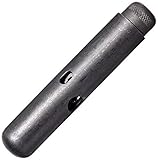
Last update on 2026-09-23 / Affiliate links / Images from Amazon Product Advertising API
What is the “Million + 1956” formula for Chinese SKS?
For rifles featuring the Factory 26 triangle, the most accurate dating method is the N+56 formula. In 1956, China began production using Soviet-provided equipment.
To find your year, look at the serial number (usually 6 to 8 digits long) and use the millions place as your “N”:
| Serial Millions | Formula | Estimated Year |
| No Millions (Alphanumeric) | Soviet-Sino Period | 1956 |
| 1,000,000 – 1,999,999 | 1956+1 | 1957 |
| 2,000,000 – 2,999,999 | 1956+2 | 1958 |
| 9,000,000 – 9,999,999 | 1956+9 | 1965 |
| 24,000,000+ | 1956+24 | 1980 |
Expert Note: If your serial number is very low (under 1 million) and features a Cyrillic letter prefix, you likely have a “Sino-Soviet” SKS, built in 1956 with Russian-supplied parts.
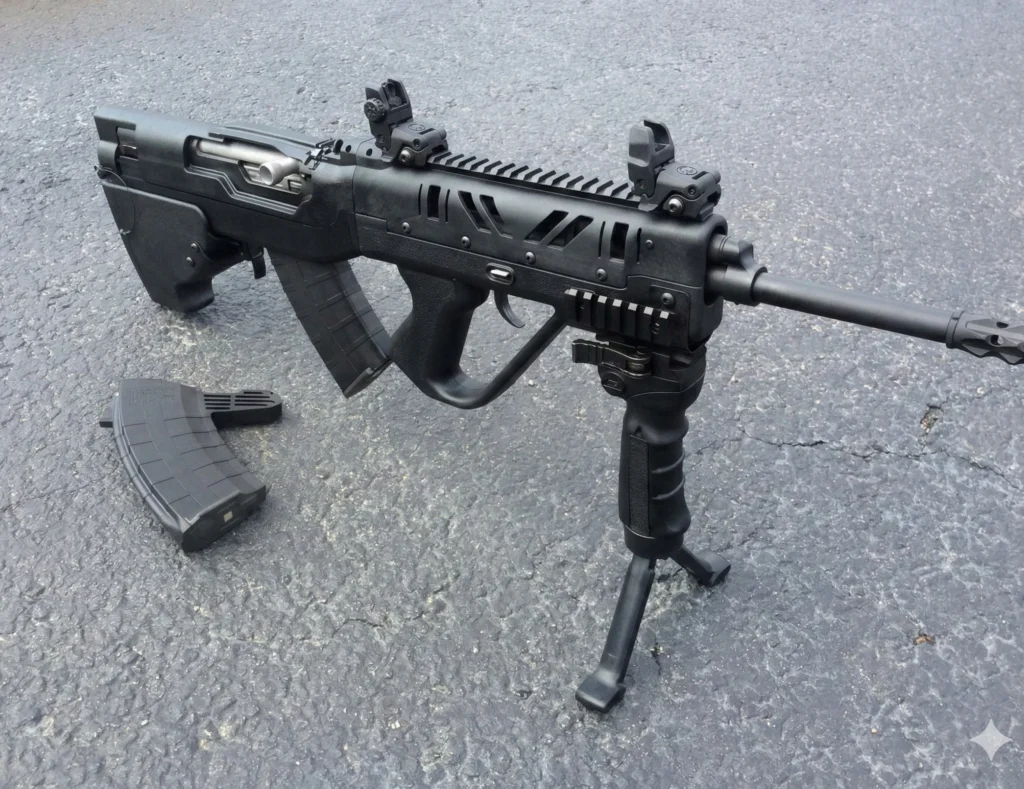
- Unique Wooden Toggle Closure System (plastic buckle, never corroded)
- Holds loaded stripper clips
- Very rare Chinese Navy surplus
Last update on 2026-09-23 / Affiliate links / Images from Amazon Product Advertising API
How do you date a Norinco SKS without a factory triangle?
Many rifles imported in the late 80s and early 90s do not feature the traditional arsenal stamps. These were often “bits-and-pieces” guns or newly manufactured commercial variants like the SKS-M or SKS-D (which take AK-47 magazines).
- The “Norinco” Mark: Norinco (China North Industries Corporation) was an export conglomerate formed in 1980. If your rifle is stamped “Norinco,” it was almost certainly exported between 1980 and the 1994 import ban.
- Public Security Models: Some features, such as “Shorty” or “Paratrooper” barrels, were never issued by the military. These are 100% commercial productions from the late 1980s.
What does the SKS serial number prefix mean?
While the first digits tell the year, the remaining numbers are the unit production count. However, look closely at the receiver for these additional semantic signals:
- Three Chinese Characters: Found to the right of the factory stamp. These translate to “Type 56,” the official military designation.
- Letter Prefixes: Late-stage commercial rifles often use letters (e.g., “AB,” “NC”). These do not follow the N+56 formula and are generally categorized as 1990+ production.
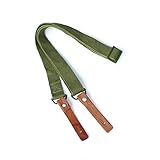
- Fit for China type 56 rifle or for Russia
- Length adjustable, cross your neck and shoulder, meet the needs of your usage when you take your rifles
- Made of very high standard nylon material
Last update on 2026-09-23 / Affiliate links / Images from Amazon Product Advertising API
Why do importer stamps differ from the original manufacturer’s date?
It is a common mistake to confuse the Importer Stamp with the Production Date. By law, importers like Century Arms (CAI) or Poly USA had to stamp their name and city on the barrel or receiver.
- The Discrepancy: A rifle manufactured in 1962 (Factory 26) might have sat in a warehouse for 30 years before being imported by a company in 1992.
- The Rule: Always trust the receiver factory stamps over the importer’s marks when determining the actual age of the steel.
Authenticating Your Piece of History
Understanding the production date of your Norinco SKS does more than satisfy curiosity; it helps determine the historical value, C&R eligibility, and mechanical specifications of your rifle. While the lack of official state records means we may never have a “perfect” database, the N+56 formula and physical markers like barrel pinning and arsenal stamps provide a high-confidence roadmap for collectors. Whether you own a 1950s military workhorse or a 1990s commercial export, the SKS remains a testament to mid-century engineering.
Join the GunCarrier Community
Have a serial number that doesn’t fit the formula? We want to hear about it. Our community relies on user-submitted data to refine these historical dating windows.
- Comment Below: Post your factory code and the first three digits of your serial.
- Share This Guide: Help a fellow collector identify their “Ghost” or “Sino-Soviet” rifle.
- Newsletter: [Sign up here] to receive our 2026 SKS Maintenance & Value Guide directly in your inbox.
Watch this video from Triangle 26 to know more about how to date ANY Chinese SKS:
Up Next: Blue Book Of Gun Values | Gun Carrier
FAQ
Is a “Ghost” SKS older than other Chinese models?
Yes, “Ghost” rifles are among the earliest Chinese SKS production models from 1956. They are identified by a lack of factory stamps or Chinese “Type 56” characters on the receiver, featuring only a serial number. Collectors believe these were manufactured at Arsenal 26 before standardized marking protocols were officially implemented.
Are Norinco SKS rifles C&R (Curio & Relic) eligible?
Most military-surplus Norinco SKS rifles are C&R eligible because they are over 50 years old. However, eligibility is complex for commercial models imported in the 1980s or 1990s. Specifically, modified variants like the SKS-M or SKS-D, which take AK-47 magazines, may not qualify under standard Curio & Relic federal classifications.
Does a pinned barrel mean my SKS is a newer model?
Generally, yes. Early Chinese SKS rifles produced between 1956 and 1964 featured high-quality threaded barrels. Around 1965, factories transitioned to pinned barrels as a cost-saving measure to accelerate mass production. If your rifle has a pinned barrel, it was almost certainly manufactured in the mid-1960s or during the later commercial export era.
How do I tell a military surplus SKS apart from a commercial model?
Military surplus rifles typically feature the “Type 56” Chinese characters and a factory triangle. They were built for combat with rugged, milled receivers and threaded barrels. Commercial models, produced by Norinco for export in the 1980s, often lack these characters and may feature shorter “paratrooper” barrels or different stock woods.
Which production years are considered the most collectible?
Early “Sino-Soviet” models (1956) and “Ghost” rifles carry the highest collector value due to their historical link to the USSR. Mid-production military rifles (1957–1965) are prized for their milled parts. Late commercial variants, like the SKS-M which accepts AK magazines, are also highly sought after for their unique functional utility.
Does my SKS have a rare stamped receiver?
Almost all SKS rifles feature a solid milled receiver. However, a rare “stamped” version was produced briefly around 1968–1970 as a cost-cutting experiment. These stamped models are highly collectible due to their scarcity. If your receiver lacks the traditional heavy machining marks and appears thin-walled, you likely have a rare 1960s variant.
When did China start using chrome-lined barrels?
China began chrome-lining SKS barrels around 1957–1958 to increase durability and corrosion resistance. Early 1956 “Sino-Soviet” models often feature non-chrome-lined bores, similar to early Russian Tulas. If your barrel has a bright, mirror-like finish that resists rust, it was likely produced after the first year of the Jianshe Arsenal production run.
Share your thoughts about the update and comment below.👇