
Related: Top Military-Inspired Firearms for Civilians
Reliable Firearms with Proven Performance
Veterans don’t guess when it comes to carrying gear. They utilize techniques that worked during long deployments, rough terrain, and real-world stress. Once they return to civilian life, many retain that same mindset: they choose battle-tested gear that has already proved their worth.
This guide highlights gear trusted by veterans and experienced carriers, selected for proven performance rather than flashy marketing. Every item on this list has demonstrated reliability, comfort, and readiness in unpredictable, real-world situations. If a piece of gear failed under pressure, it was discarded. Only what truly works remains.
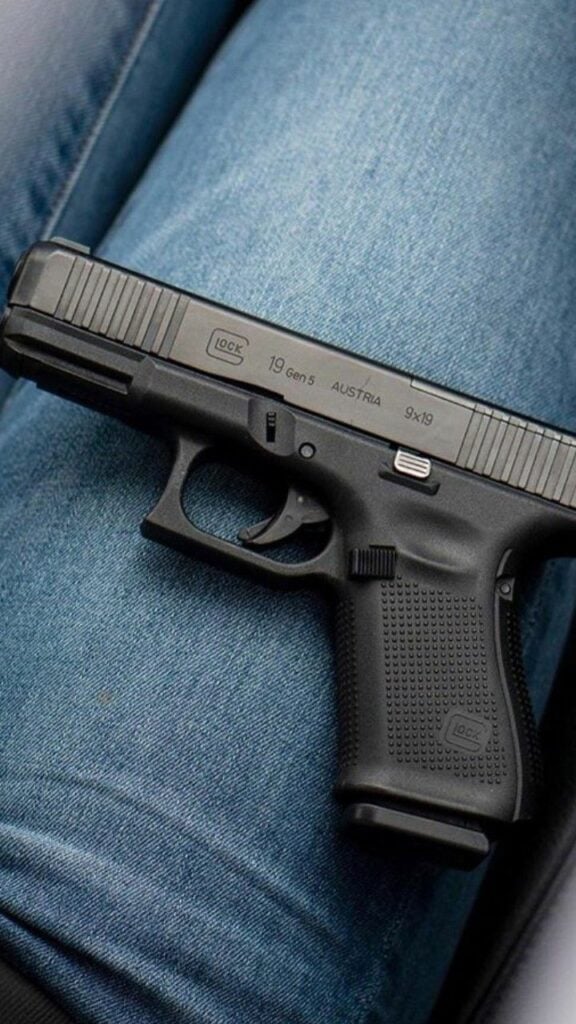
Firearms with Proven Performance
Veterans often favor pistols that function reliably under harsh conditions, thanks to extensive real-world testing and a track record of consistency. Three standouts include:
- Glock 19: Simple, durable, and easy to maintain. This polymer-framed pistol has earned trust in both military and civilian circles.
- Sig Sauer P320 (M17): The modular design supports multiple grip and size configurations while delivering excellent accuracy and consistent performance.
- Beretta M9 (92FS): Heavier than some newer models but still respected for its durability and familiar controls honed through years of service.
These firearms stand out not just for firing consistently, but for handling sweat, grit, and recoil without compromising function.
Glock 19
Gear Name: Glock 19
Category: Handgun / Compact 9mm pistol
Intended Use: Defensive carry, duty use, general-purpose sidearm
Key Attributes:
- High reliability reputation across broad user bases
- Strong aftermarket support (holsters, sights, magazines, parts)
- Balanced size for concealment and shootability
Performance Notes:
The Glock 19 is widely used because it balances capacity, durability, and controllability in a compact format. Its consistent performance, simple manual of arms, and strong parts availability make it a common baseline choice for practical defensive carry setups.
Sig Sauer P320 (M17)
Gear Name: Sig Sauer P320 (M17)
Category: Handgun / Full-size 9mm pistol
Intended Use: Duty use, defensive use, training platform
Key Attributes:
- Modular design (serialized fire control unit concept)
- Frequently configured with optics-ready variants
- Full-size handling characteristics with strong accessory support
Performance Notes:
The P320 platform is known for modularity and adaptable configurations. The M17 variant is commonly associated with service-oriented setups, and many users value its ergonomics and configurability—especially when standardizing a system for training, duty, and defensive use.
Beretta M9 (92FS)
Gear Name: Beretta M9 (92FS)
Category: Handgun / Full-size 9mm pistol
Intended Use: Duty use, defensive use, training, legacy service platform
Key Attributes:
- Proven full-size platform with long service history
- Metal-frame durability and soft-shooting characteristics
- Established ecosystem for magazines, holsters, and parts
Performance Notes:
The Beretta 92-series is often chosen for its smooth shooting feel, robust construction, and long track record. Its size and operating system can influence carry choices, but it remains a respected platform for those prioritizing controllability and durability.

Holsters That Stay Put Under Stress
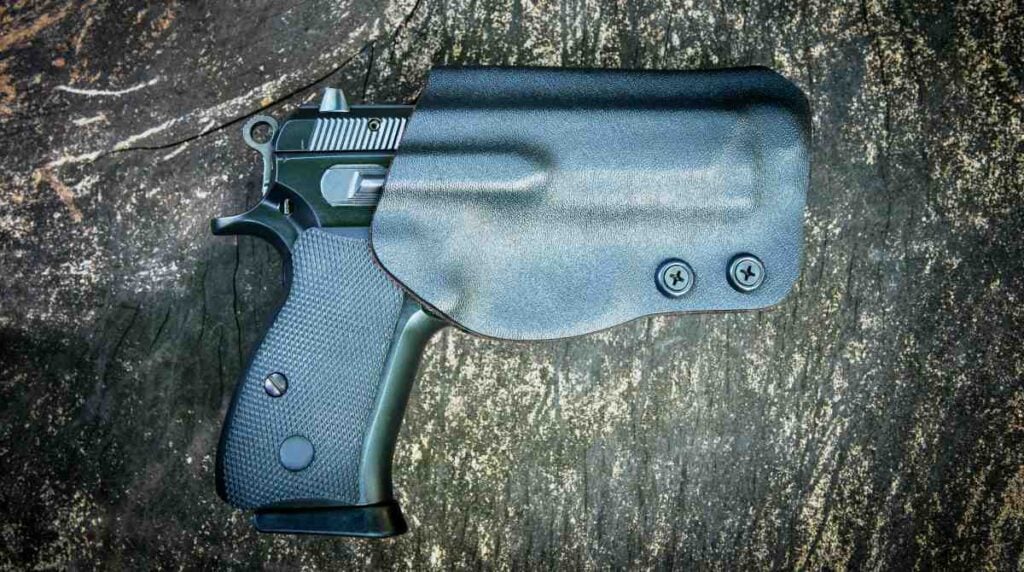
A dependable holster should remain stable and protect the trigger under movement, sweat, and long periods of wear. Veterans commonly rely on:
- Safariland ALS holsters: Known for positive retention and reliable draw performance. Ideal for open carry or range use.
- Tier 1 Concealed Axis Elite: An appendix-carry rig that balances weight well and stays comfortable while seated, allowing a smooth, confident draw.
These designs consistently protect the trigger, stay put through varied motion, and deliver fast, reliable access under pressure.
Holsters
Safariland ALS Holsters
Gear Name: Safariland ALS Holsters
Category: Holster / Duty & retention holster
Intended Use: Duty carry, open carry, tactical use
Key Attributes:
- Automatic Locking System (ALS) for secure weapon retention
- Proven retention under physical stress and movement
- Widely used in law enforcement and professional environments
Performance Notes:
Safariland ALS holsters are known for combining strong retention with a fast, intuitive draw. Their locking system secures the firearm until deliberately released, making them a trusted option for users who prioritize weapon security without sacrificing accessibility.
Tier 1 Concealed Axis Elite
Gear Name: Tier 1 Concealed Axis Elite
Category: Holster / Concealed carry (AIWB)
Intended Use: Everyday concealed carry
Key Attributes:
- Appendix carry design with integrated magazine carrier
- Adjustable retention and ride height
- Designed for concealment, comfort, and stability
Performance Notes:
The Axis Elite is frequently chosen by experienced concealed carriers for its balance of concealability and accessibility. Its modular design allows users to fine-tune fit and comfort while maintaining consistent draw mechanics for daily carry applications.
Lights and Optics That Work in All Conditions
For veterans, failure in low light can be life-threatening. That mindset carries into civilian carry choices, where dependable tools include:
- SureFire X300U: A weapon light recognized for durability in rain, dust, and rough handling.
- Trijicon RMR: A rugged red-dot optic with shock resistance and consistent brightness controls, built for repeated abuse.
These tools remain in use because they maintain performance even with rough handling, changes in weather, and sudden stress. SureFire’s durability testing explains why their lights continue to top military carry lists.
Lights and Optics
SureFire X300U
Gear Name: SureFire X300U
Category: Weapon-mounted light
Intended Use: Defensive carry, duty use, low-light identification
Key Attributes:
- High-output illumination for target identification
- Durable construction designed for recoil and environmental stress
- Widely compatible with duty and concealment holsters
Performance Notes:
The X300U is regarded for its durability and consistent output in demanding conditions. It is commonly selected by professionals who require reliable illumination for threat identification, especially in low-light or transitional lighting environments.
Trijicon RMR
Gear Name: Trijicon RMR
Category: Optic / Red dot sight
Intended Use: Defensive use, duty use, training
Key Attributes:
- Ruggedized design for slide-mounted handgun use
- Clear reticle options with adjustable brightness
- Proven durability under recoil and impact
Performance Notes:
The Trijicon RMR is widely respected for maintaining zero and functioning under heavy use. Its durability and visibility make it a common choice for shooters adopting pistol-mounted optics in both professional and civilian defensive contexts.

Field-Proven Belts and Plate Carriers
While not daily-carry items for most, quality belts and plate carriers still matter for training, home defense, or emergencies. Popular choices include:
- Blue Force Gear belt systems: Lightweight yet strong. These belts carry gear comfortably without sagging.
- Crye Precision JPC plate carrier: A slim, well-designed vest trusted for comfort and long-term durability when armor is needed.
Veterans stick with these setups because they have proven their worth through repeated training and operational use.
Belts and Plate Carriers
Blue Force Gear Belt Systems
Gear Name: Blue Force Gear Belt Systems
Category: Belt / Load-bearing equipment
Intended Use: Duty use, training, defensive carry support
Key Attributes:
- Lightweight, reinforced construction
- Designed to support holsters, pouches, and accessories
- Emphasis on comfort and load distribution
Performance Notes:
Blue Force Gear belt systems are designed to provide stable support for carry equipment without unnecessary bulk. Their construction supports consistent holster positioning and accessory access during extended wear and movement.
Crye Precision JPC Plate Carrier
Gear Name: Crye Precision JPC (Jumpable Plate Carrier)
Category: Plate carrier / Protective equipment
Intended Use: Tactical use, training, professional environments
Key Attributes:
- Lightweight, low-profile plate carrier design
- Emphasis on mobility and load efficiency
- Modular compatibility with mission-specific accessories
Performance Notes:
The JPC is recognized for prioritizing mobility while maintaining essential protection. Its streamlined design makes it suitable for users who need a balance between armor coverage and freedom of movement during sustained activity.

Med Kits That Actually Work
Veterans know trauma care can determine survival. Their med kits skip fluff and focus on essentials:
- North American Rescue IFAK: Compact and practical, stocked with a tourniquet, hemostatic gauze, and chest seals.
- Dark Angel Medical kits: Designed by former medics for rapid deployment and stressful conditions.
By avoiding unnecessary gadgets and sticking to proven medical tools, these kits provide a reliable, fast response when seconds matter.
Medical Kits
North American Rescue IFAK
Gear Name: North American Rescue IFAK
Category: Medical kit / Individual First Aid Kit
Intended Use: Trauma response, emergency medical care
Key Attributes:
- Designed for immediate hemorrhage control
- Includes lifesaving trauma components
- Built for rapid access under stress
Performance Notes:
North American Rescue IFAKs are widely used due to their focus on critical trauma care. They are designed to address life-threatening injuries quickly, emphasizing accessibility, organization, and durability in high-stress situations.
Dark Angel Medical Kits
Gear Name: Dark Angel Medical Kits
Category: Medical kit / Trauma & emergency response
Intended Use: Defensive preparedness, professional, and civilian use
Key Attributes:
- Compact designs for carry or vehicle use
- Emphasis on bleeding control and trauma response
- Configurations tailored to different carry environments
Performance Notes:
Dark Angel Medical kits are often chosen for their compact form factor and practical layout. They are designed to provide essential trauma care capabilities while remaining portable enough for everyday or vehicle-based preparedness.

Why Veterans Choose This Gear for Civilian Use
These items weren’t picked at random. Each was fielded, beaten up, and still performed. Veterans continue to use this gear because they know how it works under pressure.
- It withstands extreme heat and cold.
- It resists wear from sweat, mud, and dust.
- It allows movement without interference or failure.
- It offers peace of mind when real danger shows up.
Whether you carry daily or prepare for emergencies, learning from veteran gear choices provides a tested foundation to build upon.
What Experienced Users Say
Former Infantry NCO
“Gear doesn’t have to be fancy to be dependable. The equipment that survives daily abuse and keeps working is what matters, especially when failure isn’t an option.”
Law Enforcement Firearms Instructor
“Battle-tested doesn’t mean military-only. It means the gear has been used hard, found reliable, and trusted repeatedly under stress.”
Civilian Defensive Carrier (10+ years experience)
“I look for the same traits professionals do, durability, simplicity, and repeatable performance. Gear that’s proven beats gear that’s trendy.”
All testimonials reflect independent experience and are included to illustrate real-world considerations, not endorsements.
Battle-Tested Gear Carries Trust, Not Just Hype
Battle-tested gear doesn’t mean trendy. It means proven. Veterans who carried these tools in uniform continued using them because they earned their place through experience. When you choose gear based on that kind of trust, you build confidence in every carry.
What piece of gear earned your trust? Share your go-to carry setups or field-tested recommendations in the comments.
FAQ About Veteran-Recommended Carry Gear
What carry gear do military veterans recommend?
Military veterans generally recommend carrying gear that prioritizes reliability, durability, and simplicity. Common preferences include rigid holsters with strong retention, reinforced belts, dependable weapon lights, and minimal accessories. Gear is favored when it performs consistently under stress, resists daily wear, and avoids unnecessary complexity.
Best tactical holster recommended by veterans?
Veterans typically recommend tactical holsters that provide secure retention, full trigger coverage, and consistent draw mechanics. Rather than one “best” model, they favor holsters made from durable materials that maintain shape, allow safe reholstering, and integrate well with belts used for everyday or duty-style carry.
Why do veterans prioritize reliability over features?
Veterans are trained to value gear that works every time, even in adverse conditions. Extra features can add failure points or slow decision-making under stress. Equipment that is simple, proven, and repeatable is easier to maintain and trust when performance matters more than convenience or appearance.
Do veterans recommend specific brands of carry gear?
Most veterans focus less on brand names and more on performance standards. Gear is evaluated based on durability, retention, and real-world use rather than marketing. While certain brands earn reputations over time, veterans typically recommend selecting gear that meets functional requirements rather than following trends.
What belt features do veterans look for in carry setups?
Veterans favor belts that are stiff enough to support a firearm and holster without sagging, yet comfortable for all-day wear. Reinforced cores, consistent buckle systems, and durability under load are key considerations. A proper belt is often viewed as the foundation of a stable carry system.
Are weapon lights commonly recommended by veterans?
Yes, many veterans recommend weapon-mounted lights due to their usefulness in low-light environments. Identification of potential threats is considered critical. However, lights are only recommended when paired with proper training, safe handling practices, and holsters specifically designed to accommodate them.
What makes gear “battle-tested” according to veterans?
“Battle-tested” typically means gear that has been used repeatedly in demanding conditions and proven dependable over time. This can include military, law enforcement, or rigorous civilian use. The emphasis is on consistent performance, resistance to failure, and trust earned through repeated real-world application.
Should civilians follow veteran gear recommendations exactly?
Veteran recommendations provide valuable insight, but civilian carry needs differ from military use. Civilians should adapt principles, such as reliability and simplicity, to their own legal environment, lifestyle, and training level. Gear should be appropriate for daily concealed carry, not solely professional or combat contexts.