
Quick Look at Ruger 10/22
- The Ruger 10/22 is highlighted as a highly versatile .22 LR rifle platform with numerous factory and aftermarket configurations.
- Different stock styles, barrel lengths, and takedown options allow the rifle to be adapted for recreation, training, hunting, and portability.
- The article emphasizes the platform’s long-standing reliability and ease of use, especially for new shooters.
- Customization is presented as a defining characteristic, with the “Polyarmory” concept reflecting the wide variety of possible builds.
- Overall, the Ruger 10/22 is framed as a durable, adaptable rimfire rifle suited to a broad range of shooting needs.
Related: Three Tips To Keep Your Ruger 10/22 Running Like A Top
A good .22 LR rifle is a very useful tool to have around. For varmint control, developing future riflemen, or recreational plinking, they have a place. Ruger has virtually everyone covered in the 22LR department, with a rifle that’s not only reliable, but also suited to your style: the 10/22.
The Ruger 10/22 is a highly customizable .22 LR rifle platform known for its reliability, versatility, and wide range of available configurations.
Ruger 10/22 Variants
The Ruger 10/22 platform supports a wide range of configurations, from classic carbines to takedown and fully customized builds, making it one of the most versatile rimfire rifles ever produced.
Ruger 10/22 – Core Platform
- Semi-automatic .22 LR rifle
- 10-round flush-fit rotary magazine
- Renowned reliability and a massive aftermarket
- Common use cases: plinking, training, small-game hunting
Standard Carbine (Classic Configuration)
- Stock: Hardwood or basic synthetic
- Barrel: ~18.5″
- Strengths: Lightweight, balanced, affordable
- Best for: New shooters, general recreational use
- Article alignment: Represents the “baseline” configuration that the Polyarmory concept builds from
Tactical / Polymer-Stock Variants
- Stock: Polymer, camo, or tactical-style chassis
- Barrel: Typically 16–18″
- Strengths: Modern ergonomics, modular appearance
- Best for: Customization enthusiasts, modern aesthetics
- Article alignment: Central to the “Polyarmory” theme of visual and functional diversity
Target / Precision Builds
- Stock: Laminated wood or precision polymer
- Barrel: Heavy bull barrel (18–20″)
- Strengths: Improved accuracy, stability
- Best for: Bench shooting, competition, accuracy-focused users
- Article alignment: Implied through discussion of multiple barrel lengths and configurations
Takedown Models
- Stock: Synthetic or backpack-oriented
- Barrel: ~16″ (quick-detach)
- Strengths: Portability, compact storage
- Best for: Camping, backpacking, survival kits
- Article alignment: Explicitly mentioned as a practical variation
Aftermarket / Custom “Polyarmory” Builds
- Stock: Third-party chassis (AR-style, bullpup, historical replicas)
- Barrel: Varies widely
- Strengths: Maximum personalization, unique aesthetics
- Best for: Hobbyists, collectors, experimental builds
- Article alignment: This is the true meaning of the “Polyarmory” framing
All the guns I’ve loved before, Ruger 10/22 Edition
A good .22 LR rifle is a very useful tool to have around. For varmint control, developing future riflemen, or recreational plinking, they have a place. Ruger has virtually everyone covered in the 22LR department, with a rifle that’s not only reliable, but also suited to your style: the 10/22.
The Ruger 10/22 is a highly customizable .22 LR rifle platform known for its reliability, versatility, and wide range of available configurations.
The 10/22 repeater first appeared in 1964. Since then, Ruger released several renditions of the rifle. This proved to be a successful strategy. At a gun writers’ conference this year, Ruger representatives said customers should expect to see more and more new interpretations of existing platforms for years to come. This is their way of responding to changing consumer preferences while continuing to embrace a proven design.

Ruger 10/22 rifles are available in multiple configurations, including classic wood stocks, polymer tactical styles, and camouflage finishes.
This tidy semi-auto comes standard with Ruger’s patented 10-round rotary magazine, which sets flush inside the frame, yet drops free easily with a push of the ambidextrous mag release lever. A typical toggle safety is placed behind the trigger guard.
Furniture is available in virtually any color and style. A basic wood stock is one option, as is striking tiger-stripe grain wood. There’s a rubberized model, a plethora of camo patterns, and a lightweight polymer model with a barrel shroud that makes it look kind of like an Ithaca trench gun. Some models look like AR-style tactical rifles, and a version modeled after precision sniper rifles. Aftermarket kits like the ones from Archangel add even more options for making this little-bore rifle look big.

The Ruger 10/22 platform includes takedown and varied barrel-length models designed for portability, field use, and easy transport.
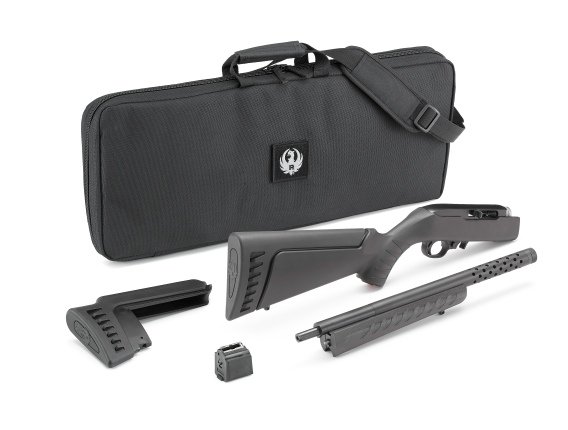
If backcountry survival or camping is more your style, there are a couple of varieties of the Takedown 10/22, which quickly disassemble to fit in a narrow backpack that’s included with purchase.
Prefer shooting suppressed? No problem; the 10/22 is being offered in several existing renditions of the Takedown model … and surely others will follow.

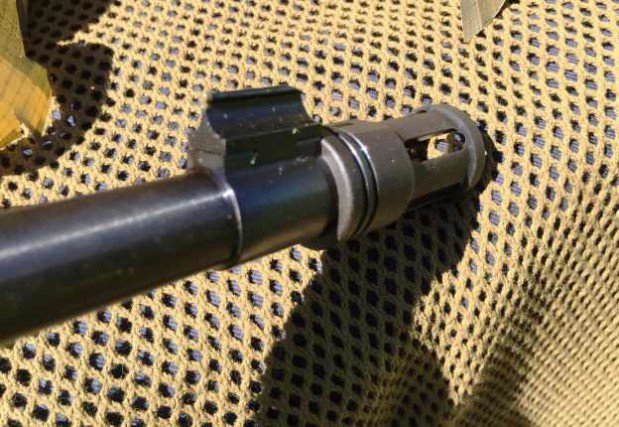
Barrels are made in three lengths–16.12, 18, and 20 inches. Folks wanting ready accuracy at short ranges from the truck, or at longer distances from the shooting bench, can both have their way. Most models come with a flip-up rear sight and an adjustable dovetailed front sight.
The Ruger 10/22 is widely regarded as a reliable and beginner-friendly rifle, supported by clear manufacturer guidance and long-term durability.
In an age when many gun companies’ owner manuals have become so non-specific as to be worthless and send the owner running to YouTube for questionable advice, Ruger has leapfrogged ahead and made its own disassembly, cleaning, and reassembly instructional videos for the 10/22. And they should, it’s a perfect rifle for people just learning, as well as being slightly complicated to disassemble.
I have used the 10/22 for fun and to teach beginners, and have helped people use them during Appleseed program shoots, weekend-long occasions that burn through several hundred rounds. At the end of a long set of drills, the 10/22s are ready for more. Appleseed events are a good test of rifle reliability and durability, in addition to repeated, timed 40-round courses of fire, strict safety protocols require that actions be open to the elements during breaks and lunchtime. In my part of the world, that usually means returning to find the chamber full of dust and whatnot.
By performing well under these conditions, my own 10/22s and the many others I’ve seen on the line have convinced me these rifles are worth far more than the base price of $200 to 550, depending on features.
Modification Guide: How to Customize a Ruger 10/22
Ruger 10/22 rifles are designed with modularity in mind, allowing owners to upgrade or customize components without permanently altering the firearm. The steps below outline a safe, common customization workflow used by many owners.
Step 1: Identify Your Goal
Before making changes, decide what you want to improve:
Ergonomics and comfort
Accuracy and consistency
Portability and storage
Visual style or configuration
Clear goals help prevent unnecessary modifications and compatibility issues.
Step 2: Verify Your Model Type
Confirm whether your rifle is:
Standard 10/22
Takedown model
This distinction affects compatibility for stocks, barrels, and some internal components.
Step 3: Choose Compatible Aftermarket Parts
Select parts designed specifically for your receiver type:
Stocks or chassis systems
Barrels (standard or bull)
Trigger groups or trigger components
Optics rails or iron sights
Always confirm manufacturer compatibility notes before purchase.
Step 4: Perform Basic Installation
Most Ruger 10/22 upgrades are drop-in and require only basic tools. Follow manufacturer instructions carefully and avoid forcing components. If a part does not fit easily, stop and reassess compatibility.
Step 5: Function Check and Test
After reassembly:
Ensure controls operate correctly
Verify proper seating of components
Test functionality with safe handling practices
Testing ensures reliability before regular use.
Step 6: Evaluate and Adjust
Spend time using the modified rifle to determine whether the changes meet your original goal. Incremental upgrades are often more effective than replacing many parts at once.
Aftermarket Parts for the Ruger 10/22 Platform
One of the defining strengths of the Ruger 10/22 platform is its extensive aftermarket ecosystem. A wide range of third-party parts allows owners to enhance performance, ergonomics, and appearance while retaining the rifle’s core reliability.
Aftermarket Stocks and Chassis
Aftermarket stocks for the Ruger 10/22 range from traditional wood replacements to modern polymer and aluminum chassis systems. These options allow shooters to adjust weight, grip angle, and overall handling, and can significantly change the rifle’s balance and visual style.
Aftermarket Barrels
Replacement barrels are commonly used to improve accuracy or change the rifle’s overall profile. Options include lightweight tapered barrels for general use and heavier bull barrels for precision shooting. Barrel compatibility often depends on stock inlet size and whether the rifle is a standard or takedown model.
Trigger Upgrades
Aftermarket trigger components are among the most popular upgrades for the Ruger 10/22. These range from individual replacement parts to complete drop-in trigger groups, typically offering a cleaner break and lighter pull weight compared to factory triggers.
Bolt and Internal Components
Upgraded bolts, extractors, and internal springs are available to improve consistency and reliability. These parts are generally designed to fit standard Ruger 10/22 receivers, though tolerances can vary depending on manufacturer and intended use.
Sights and Optics Mounting Solutions
Aftermarket iron sights, optics rails, and scope bases allow shooters to tailor sighting systems to their preferences. Many Ruger 10/22 receivers are drilled and tapped, making it easy to mount red dots or scopes using compatible aftermarket hardware.
Magazines and Accessories
In addition to the standard rotary magazine design, extended-capacity magazines and accessory components are widely available. While most are compatible with factory receivers, reliability can vary, making testing and proper maintenance important for consistent performance.
| Part Category | Compatible With | Notes on Fit & Limitations |
|---|---|---|
| Stocks / Chassis | All standard Ruger 10/22 receivers | Some stocks require bull-barrel or tapered-barrel inlets; takedown models require takedown-specific stocks |
| Barrels | Standard 10/22 receivers | Takedown barrels only fit takedown receivers; bull barrels may require compatible stocks |
| Triggers / Trigger Groups | Standard 10/22 receivers | Drop-in trigger groups are widely compatible; some match triggers may require tuning |
| Bolt Assemblies | Standard 10/22 receivers | Most aftermarket bolts are drop-in; headspace should be verified for precision builds |
| Charging Handles | Standard 10/22 bolts | Generally universal, but some oversized handles may interfere with certain stocks |
| Magazines | Standard 10/22 magazine well | Rotary and extended magazines fit factory receivers; reliability varies by manufacturer |
| Sights (Iron) | Standard and takedown barrels | Front sights may be barrel-specific; rear sights depend on receiver or rail mounting |
| Optics Rails | Standard 10/22 receivers | Most receivers are drilled and tapped; some models include factory-installed rails |
| Muzzle Devices | Threaded 10/22 barrels | Only compatible with threaded barrels; thread pitch must match device |
| Internal Small Parts | Standard 10/22 internals | Aftermarket pins, extractors, and springs are usually universal but vary in tolerance |
Overall, the Ruger 10/22 remains one of the most versatile rimfire rifles available, adaptable to a wide range of shooting styles and user needs.
External Resources & Parts References
- Ruger 10/22 parts & accessories catalog (EABCO): broad inventory of barrels, stocks, triggers, magazines, and accessories.
- Official Ruger accessories index: lists OEM-compatible parts for the 10/22 platform.
- Guide to best 10/22 upgrades: curated overview of high-value aftermarket parts.
- Volquartsen parts list: showcases common aftermarket stocks, barrels, and trigger parts.
- Ruger 10/22 modularity overview: highlights how the platform supports extensive customization.
Do you own a 10/22? Let us know in the comments below.
FAQ: Ruger 10/22 Customization & Use
What are the best Ruger 10/22 upgrades?
The most popular Ruger 10/22 upgrades include improved triggers, upgraded barrels, aftermarket stocks or chassis, enhanced sights or optics rails, and extended magazines. These upgrades typically improve accuracy, ergonomics, and usability without changing the rifle’s core reliability or simplicity.
How do I customize a Ruger 10/22?
Customizing a Ruger 10/22 usually starts with replacing modular components such as the stock, barrel, trigger group, or sights. The platform supports extensive aftermarket parts, allowing owners to tailor the rifle for target shooting, hunting, training, or aesthetic preferences with basic tools and minimal gunsmithing.
What makes the Ruger 10/22 so popular?
The Ruger 10/22 is popular due to its long-standing reputation for reliability, ease of use, and unmatched aftermarket support. Its simple design, affordable .22 LR ammunition, and adaptability for beginners and experienced shooters alike have made it one of the most widely owned rimfire rifles.
Is the Ruger 10/22 good for beginners?
Yes, the Ruger 10/22 is widely considered beginner-friendly because of its low recoil, simple controls, and consistent reliability. The rifle’s manageable size and inexpensive ammunition make it ideal for training new shooters while still offering room to grow through upgrades and customization.
What is a Ruger 10/22 takedown model?
A Ruger 10/22 takedown model is a version of the rifle that separates into two main components for compact storage and transport. This design makes it especially useful for camping, backpacking, or travel, while maintaining the same functionality and accuracy as standard models.
What types of stocks are available for the Ruger 10/22?
Ruger 10/22 stocks are available in many styles, including classic hardwood, lightweight synthetic, camouflage, and tactical or precision-oriented chassis systems. Each stock type changes the rifle’s ergonomics, weight, and appearance, allowing shooters to match the setup to their intended use.
Can the Ruger 10/22 be used for hunting?
The Ruger 10/22 is commonly used for small-game hunting, such as squirrels and rabbits, where legal. Its accuracy, quiet report with standard .22 LR ammunition, and lightweight design make it suitable for field use, especially when paired with appropriate sights or optics.
How reliable is the Ruger 10/22 platform?
The Ruger 10/22 platform is known for long-term reliability when properly maintained. Its simple blowback action and proven rotary magazine design allow it to function consistently across thousands of rounds, making it a trusted choice for recreational shooting, training programs, and repeated use.