
Quick Summary
Texas Permitless Carry, in effect since September 1, 2021, under HB 1927, lets most adults 21 and older carry a handgun without a license, background check, or training. It doesn’t remove restricted locations, posted property rules, or existing disqualifiers. Understanding what the law changed and didn’t change is the difference between lawful carry and a criminal charge.
Related: Federal CCW Reciprocity: The Smart Framework Guide
What Does Texas Permitless Carry Actually Allow?
Texas Permitless Carry means you can carry a handgun, openly in a holster or concealed, without first applying for a state license. No fingerprints. No four-to six-hour class. No $40 fee. If you’re 21 or older and legally allowed to own a firearm, HB 1927 treats you as cleared to carry the moment you leave the house.
That’s the headline, and the part most people already know. What trips carriers up is everything the law didn’t touch. Texas Permitless Carry changed one requirement, the license, not the underlying rules about who can carry, where, and how. Those rules are just as real for a permitless carrier as they were for a license holder in 2019.
Who Qualifies Under HB 1927, and Who’s Excluded?
To carry under Texas Permitless Carry, you generally need to be 21 or older, legally able to possess a firearm under state and federal law, and free of certain recent convictions, including assault causing bodily injury, deadly conduct, terroristic threat, or disorderly conduct involving a firearm within the past five years. Active duty military 18 or older, along with some recently discharged veterans, qualify earlier.
The 18 to 20 age bracket is the one genuinely unsettled piece of this, and it’s worth getting precise about. A 2022 federal court ruling in Firearms Policy Coalition v. McCraw found Texas’s ban on 18- to 20-year-olds carrying a handgun unconstitutional, and Texas did not appeal.
That ruling was about carrying, specifically License to Carry eligibility. Federal law separately still requires buyers to be 21 to purchase a handgun from a licensed dealer, and the ruling didn’t touch that. In practice, the Department of Public Safety now accepts License to Carry applications from eligible 18- to 20-year-olds, while permitless carry itself still applies only at 21 and up. If you’re in that window, a license, not permitless carry, is currently the clearest lawful path.

- LIFEPOD 2.0 SPECIAL EDITION. Available in exclusive color schemes and includes lid organizer to maximize interior...
- More Refined, FULL-SIZE CAPABILITY, and upgraded layered storage. Building on the successful LifePod platform, LifePod...
- BUILT-IN LOCK SYSTEM uses precision engineered safe technology and anti-impact latch design. LifePod 2.0 can be unlocked...
Last update on 2026-10-02 / Affiliate links / Images from Amazon Product Advertising API
Where Can’t You Carry, Even Without a License?
This is where Texas Permitless Carry gets misunderstood the most. The license requirement is gone. The list of restricted places never was. Under Penal Code Section 46.03, you still can’t carry in K-12 schools and school events, polling places on election day, courthouses, the secured area of an airport, correctional facilities, or a business that pulls 51 percent or more of its revenue from alcohol sales, provided it’s properly posted.
Private property owners can also ban firearms outright through posted signage, and ignoring that sign isn’t a technicality. It’s criminal trespass. One longtime carrier summed up the confusion well on a Texas gun forum: “Texas ain’t all that great as far as carrying for self-protection is concerned,” a reminder that permitless doesn’t mean unrestricted, and treating it that way is how people end up with a criminal charge instead of a defensive tool.
What Do Texas’s Three Posted Sign Types Mean?
Texas uses three different signs, and the differences matter more for permitless carriers than for license holders. A sign that simply bars all firearms from the property applies to everyone, licensed or not, and stepping past it is trespassing the moment you’re on the property. Two other signs specifically reference license holders and carry a lighter penalty, plus a chance to leave before it becomes a more serious charge.
That gap is not a loophole. It’s a real difference in legal exposure between carrying with a license and carrying under Texas Permitless Carry alone, and it’s one of the most common points of confusion in reader questions on carry forums. A handwritten sign taped to a door doesn’t meet the legal bar for the stricter notices, but a property owner can still ask you to leave, and refusing is its own offense.
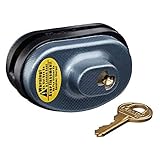
- SECURE FIREARMS: Indoor combination trigger gun lock fits many (but not all) handguns, rifles, and shotguns, ARs
- TRUSTED DESIGN: Gun trigger locks with key feature, the world standard in trigger lock design
- DURABLE SECURITY: Trigger guard features a steel and zinc body for maximum durability, 4-pin tumbler for pick resistance

Last update on 2026-10-02 / Affiliate links / Images from Amazon Product Advertising API
Does Texas Permitless Carry Work Outside Texas?
No, and this is the single biggest gap carriers miss. Texas Permitless Carry is a Texas law. Cross the state line, and it carries no legal weight unless the destination state has its own permitless carry statute or separately honors a Texas license. A Texas License to Carry, by contrast, is currently recognized by dozens of other states, and as of September 2025, SB 706 means Texas itself recognizes any valid carry license issued by any other state, no matter the issuing state.
As one carry-focused publisher put it plainly: “I still recommend getting a concealed carry license which allows you to carry concealed in many other states.” That’s not brand loyalty to the license system. It’s a straightforward description of where permitless carry stops working.
Permitless Carry or LTC: Which Fits Your Situation?
Here’s where two reasonable positions genuinely disagree, and both have a point. One view says the old license class was never much of a floor to begin with; four to six hours and a basic shooting check- and losing the requirement mostly changed paperwork, not preparedness. The other view says that class, thin as it was, was the only thing forcing most gun owners to learn Texas carry law and prove basic gun handling at all, and permitless carry removed that forcing function without replacing it.
Both are right, depending on who’s asking. If you never held a license and are new to carrying, the knowledge that class used to force on people didn’t happen to you automatically, so go build it yourself: know the restricted places, know the sign types, and prove your own basic shooting competence the way the old class required. If you already carried under a license for years, you’ve likely cleared that floor already, and Texas Permitless Carry mainly changes your paperwork and your travel options, not your actual readiness. The Texas LTC application walkthrough covers what the class still teaches if you decide it’s worth it, and DPS lists the license’s current benefits directly.

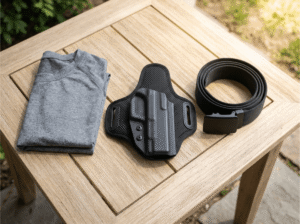
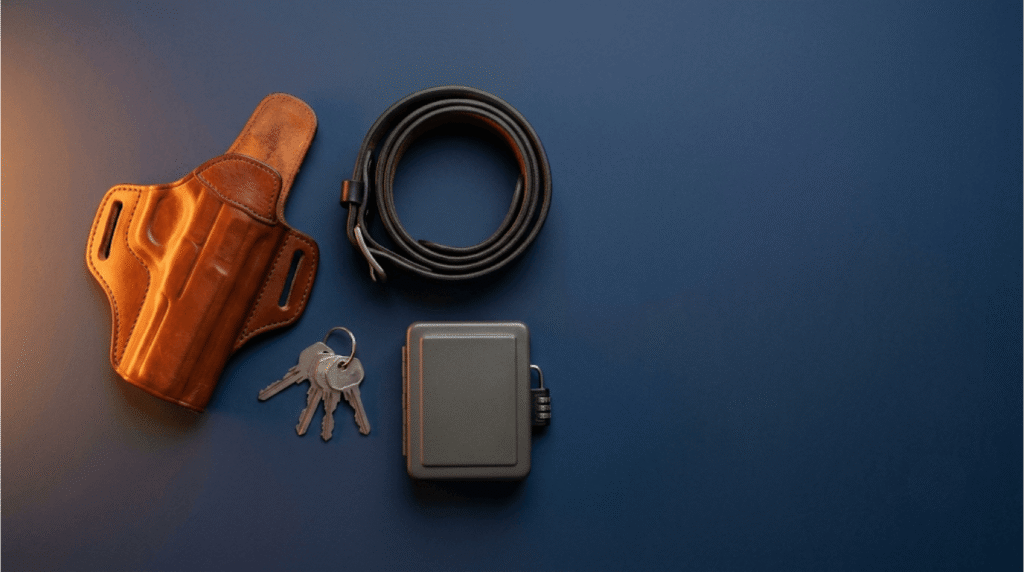
- ENGINEERED FOR ALL-DAY APPENDIX & CONCEALED CARRY: No more digging, poking, or sagging. This low-profile tactical...
- TRUE MICRO-ADJUSTABLE NO-HOLE FIT — 1/4" INCREMENTS: Hidden ratchet track gives perfect comfort in 1/4" steps. One...
- ULTRA-SECURE LOW-PROFILE TACTICAL BUCKLE: Powder-coated granite black buckle with dual stainless steel set screws for...
Last update on 2026-10-02 / Affiliate links / Images from Amazon Product Advertising API
What Should You Do Before Your Next Carry Decision?
Texas Permitless Carry removed a license requirement. It didn’t remove the law, the restricted places, or the value of knowing exactly where you stand before you ever need to. Whether you carry permitless or keep an active license, the standard doesn’t change: know the rules, know your own competence, and don’t let “I don’t need paperwork” quietly turn into “I don’t need to know the law.” That’s Texas Permitless Carry in one sentence: fewer forms, same laws.
Check this TEXAS Gun Laws 2026 from Relaxxd Fit Tactical.
Frequently Asked Questions
-
Is Texas a permitless carry state?
Yes. Since September 1, 2021, under House Bill 1927, most adults 21 and older who can legally possess a firearm may carry a handgun openly or concealed in public without a license, background check, or training course. This is often called constitutional carry.
-
Do I still need a license to carry in Texas?
No, not to carry in most public places. A Texas License to Carry is optional. It still matters for reciprocity in other states, faster background check bypass at gun purchases, and access to some locations permitless carriers can’t legally enter.
-
What is the minimum age for Texas permitless carry?
Generally 21 years old for civilians. Active duty military members 18 or older, and some honorably discharged veterans within a set timeframe, qualify earlier. The 18 to 20 civilian question remains partly unsettled in ongoing federal litigation as of 2026.
-
Can 18- to 20-year-olds carry in Texas?
Not under permitless carry. A 2022 federal ruling struck down Texas’s ban on 18- to 20-year-olds carrying a handgun, so Texas now accepts License to Carry applications from that age group. Federal law still sets 21 as the minimum age to purchase a handgun from a licensed dealer.
-
Where can’t you carry even under Texas permitless carry?
Schools and school events, polling places, courthouses, secured airport areas, correctional facilities, and businesses earning 51 percent or more of revenue from alcohol sales when properly posted. These restrictions apply to license holders and permitless carriers alike under state law.
-
Is a Texas License to Carry still worth getting if carry is permitless?
For many carriers, yes. It provides reciprocity in dozens of other states, bypasses the point-of-sale background check when buying a firearm, and offers legal protections at posted private property that permitless carriers do not have under state trespass law.
-
Does Texas permitless carry work in other states?
No. Permitless carry rights end at the Texas border. A Texas License to Carry, by contrast, is honored by dozens of other states. As of September 2025, Texas also recognizes any valid out-of-state carry license, regardless of the issuing state.
-
What happens if you carry past a posted no guns sign in Texas?
A properly posted sign banning all firearms makes carrying past it criminal trespass for permitless carriers. License holders face a narrower version of that rule under separate signage, typically a lower-level offense with a chance to leave first if asked to.
-
Do you need training to legally carry in Texas?
No formal training is legally required to carry under permitless carry. Texas offers a free optional online safety course. A License to Carry still requires a four- to six-hour state-approved class and a live fire proficiency demonstration to obtain.