
Quick Look at Summer Gun Care
- Heat and humidity accelerate rust, oil breakdown, and condensation risks
- Humidity control matters more than temperature alone
- Light lubrication and frequent wipe-downs prevent corrosion
- Cars, garages, and sheds are high-risk storage locations
- Regular inspections catch problems before permanent damage occurs
Related: Carry Gun Cleaning: How Often Should You Do It?
High temperatures and rising humidity can weaken firearm reliability if you don’t adapt your maintenance routine. Sweat, moisture, and temperature fluctuations impact everything from surface coatings to internal components. Without a summer gun care plan, rust and wear may build up on your favorite firearms before you notice the problem.
This guide explains how humidity affects your firearms and outlines the steps you can take to protect them. From cleaning and oiling to storage and inspection, these summer gun care tips will help your gear stay ready through the hottest months.
(As an Amazon Associate, we earn from qualifying purchases.)

- ✔ EASY TO USE: This mini dehumidifier is spill and mess free. Just hang and go! Non-toxic, child and pet safe! Your...
- ✔ MINI DEHUMIDIFIER GOES A LONG WAY: Super dry dehumidifier unit lasts 20-30 days before recharging the silica gel...
- ✔ SMALL, SLEEK DESIGN: This portable small design lets you hang or conveniently place the dehumidifier anywhere to...

Last update on 2026-09-24 / Affiliate links / Images from Amazon Product Advertising API
How Humidity Breaks Down Firearms Over Time

When warm, humid air comes into contact with cooler metal, condensation forms. Moisture can seep into tight areas, such as screws, springs, triggers, and barrels. Without intervention, excess moisture can cause pitting and weaken coatings, both of which can impede your gun from properly functioning.
Make sure to check these areas closely and regularly:
- Slide rails, safeties, and locking blocks
- Trigger groups and bolt carriers
- Barrel interiors and chamber throats
- Magazines and feed lips
Rust won’t always start on the surface. In many cases, it forms inside moving parts and spreads outward. This is especially true for idle or unused firearms.

- Ultimate Saltwater Protection – The Marine Tuf-Glide is built to keep your gear rust-free in the harshest saltwater...
- It's a dry lubricant that works fast – No grease, no mess! Customers love how it leaves a clean, non-greasy finish, so...
- Take it with you anywhere – This cloth is small but mighty, making it easy to carry in your pocket, tackle box, or...
Last update on 2026-09-24 / Affiliate links / Images from Amazon Product Advertising API
How to Protect Guns from Summer Heat
Summer heat doesn’t just feel uncomfortable. It accelerates corrosion, lubricant breakdown, and moisture problems, especially when guns move between air-conditioned rooms and hot, humid outdoors. Use the steps below to keep firearms protected, reliable, and rust-free all season.
Step 1) Control the storage environment
Store firearms in a cool, stable-temp space (not an attic, garage, vehicle, or shed).
Aim for consistent temperature; big swings cause condensation.
Step 2) Manage humidity (your #1 summer enemy)
Use a dehumidifier or desiccants in safes/storage cabinets.
If you have a safe, consider a safe dehumidifier rod plus desiccant packs.
Check/replace desiccants regularly.
Step 3) Avoid heat traps
Don’t leave firearms in hot cars or closed cases in the sun for long periods.
If transporting, crack the case open once indoors to let heat/humidity equalize.
Step 4) Use the right lubrication strategy
In summer, go lighter: apply a thin, even film rather than heavy oil that can run or attract grime.
Wipe off excess oil on exterior metal to prevent sticky buildup.
Step 5) Add a corrosion barrier
After handling or range days, wipe metal surfaces with a clean microfiber cloth (lightly oiled if needed).
Pay special attention to fingerprint zones (slides, barrels, cylinder exteriors).
Step 6) Inspect more often
In hot/humid months, do quick inspections weekly or bi-weekly:
Look for orange haze, spotting, or tacky residue.
Check hidden areas: under grips, around screws/pins, optic mounts.
Step 7) Clean after sweat, rain, or high humidity exposure
Sweat is salty and corrosive.
If carried on the body, wipe down daily and do a deeper clean on schedule.
Step 8) Protect ammunition too
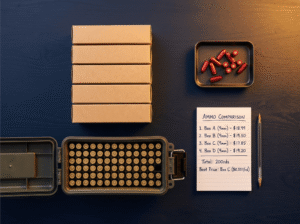
Store ammo in a dry, sealed container with desiccant.
Avoid leaving ammo in high heat for long periods (especially in vehicles).

- 2-6 oz Cans
- Perfect for lubricating and protecting firearms and just about anything else
- Preserves and protects metal, wood, leather and plastics
Last update on 2026-09-24 / Affiliate links / Images from Amazon Product Advertising API
Summer Heat Prevention Checklist (Quick Routine)
Storage setup
- Store guns in a cool, shaded indoor area
- Keep guns out of cars, garages, attics, and sheds
- Maintain humidity control (dehumidifier/desiccant)
Weekly maintenance
- Quick wipe-down of exterior metal
- Check for early rust/film in hidden spots
- Replace/recharge desiccants as needed
After use/carry
- Wipe off sweat and fingerprints immediately
- Light re-lube friction points (thin coat)
- Clean if exposed to rain or heavy humidity
Ammo care
- Store ammo sealed with desiccant
- Avoid prolonged high-heat storage (especially vehicles)
Summer Heat Requires Proactive Gun Care
Summer conditions are one of the fastest ways to shorten a firearm’s lifespan if ignored. Heat amplifies humidity, sweat, and temperature swings. Creating ideal conditions for rust and mechanical wear. With proper storage, humidity control, and simple routine maintenance, firearms can remain protected, reliable, and ready year-round.
Stay Ahead of Seasonal Damage
Protect your investment before problems start.
👉 Review your storage setup, upgrade humidity control if needed, and build a simple weekly summer inspection habit. A few minutes of prevention now can save costly repairs or irreversible damage later.
FAQ: Protecting Firearms from Summer Heat
How does heat damage firearms?
Excessive heat accelerates lubricant breakdown, causes oils to thin and migrate, and increases the risk of condensation when temperatures fluctuate. Combined with humidity, heat promotes corrosion, weakens protective coatings over time, and can negatively affect optics, polymer components, and ammunition reliability if exposure is prolonged.
How do I prevent rust in summer?
Prevent rust by controlling humidity first. Store firearms in a cool, dry area with desiccants or a dehumidifier. Wipe metal surfaces regularly with a lightly oiled microfiber cloth, especially after handling, range use, or carry, to neutralize moisture and corrosive fingerprints.
Best storage for guns in humid climates?
The best storage is a quality gun safe or cabinet placed indoors, paired with active humidity control such as a dehumidifier rod and desiccant packs. Avoid garages and sheds. Maintain consistent temperature and aim for relative humidity around 40–50% to minimize condensation and corrosion.
Can I store guns in a car during the summer?
Storing guns in a car during the summer is strongly discouraged. Vehicles trap heat, often exceeding safe temperature ranges, which can degrade lubricants, damage optics, and harm ammunition. If temporary vehicle storage is unavoidable, minimize the duration and remove the firearm as soon as possible.
Does summer heat affect gun oil and lubrication?
Yes. High heat causes many gun oils to thin, spread, or evaporate faster, reducing effective lubrication and attracting dust. In summer, use lighter applications, wipe away excess oil, and inspect more frequently to ensure friction points remain protected without becoming sticky or contaminated.
How often should I clean my gun in hot weather?
In summer, firearms should be inspected weekly and cleaned more frequently if exposed to sweat, humidity, or rain. Even without use, periodic wipe-downs help catch early rust. Guns carried on the body may require daily exterior wiping and more frequent full cleanings.
Does humidity affect ammunition in summer?
Yes. Humidity can degrade primers and powder over time, leading to misfires or inconsistent performance. Store ammunition in sealed containers with desiccant, away from heat and moisture. Avoid leaving ammo in vehicles or non-climate-controlled spaces during hot, humid months.
Are gun safes enough to protect against summer heat?
A gun safe alone helps with security, but not climate control. Without humidity management, moisture can still accumulate inside. For summer protection, safes should always include desiccants or electric dehumidifiers to maintain stable, dry conditions and prevent corrosion.
Should I wipe down my gun after handling it in the summer?
Absolutely. Sweat contains salts that accelerate corrosion, especially in hot weather. After handling, wipe all exposed metal surfaces with a clean microfiber cloth. This simple habit significantly reduces rust risk and is one of the most effective summer gun-care practices.