
Quick Look at Winter Dressing for Concealed Carry
- Prioritize access over bulk. Choose structured outerwear (two-way zippers, snap fronts) that prevents printing and allows a clean draw path.
- Layer strategically. Keep heavy garments from covering the grip area and practice drawing with your full winter setup.
- Test cold-weather reliability. Use appropriate lubricant, inspect for moisture, and train safely with gloves to maintain control.
- Adjust holster positioning if needed. Winter layers may require slight carry shifts to preserve comfort and retention.
- Safety and legality come first. Train in realistic winter conditions and always follow local laws and firearm safety principles.
Related: Concealed Carry Guide: From Setup to Safe Practice
(As an Amazon Associate, we earn from qualifying purchases.)
Winter concealed carry requires balancing warmth, concealment, and fast access. The best winter setup includes structured outerwear, strategic layering, holster stability, and glove compatibility. Proper planning prevents printing, fumbling, and slow draw times in cold conditions while maintaining safety and legal compliance.
What Outerwear Works Best for Concealed Carry in Winter?
The best winter outerwear for concealed carry allows quick access while preventing printing. Jackets with two-way zippers, snap closures, or side vents work best. Avoid bulky coats that trap your firearm beneath multiple layers. Structured garments that hang naturally over the holster maintain concealment and accessibility.
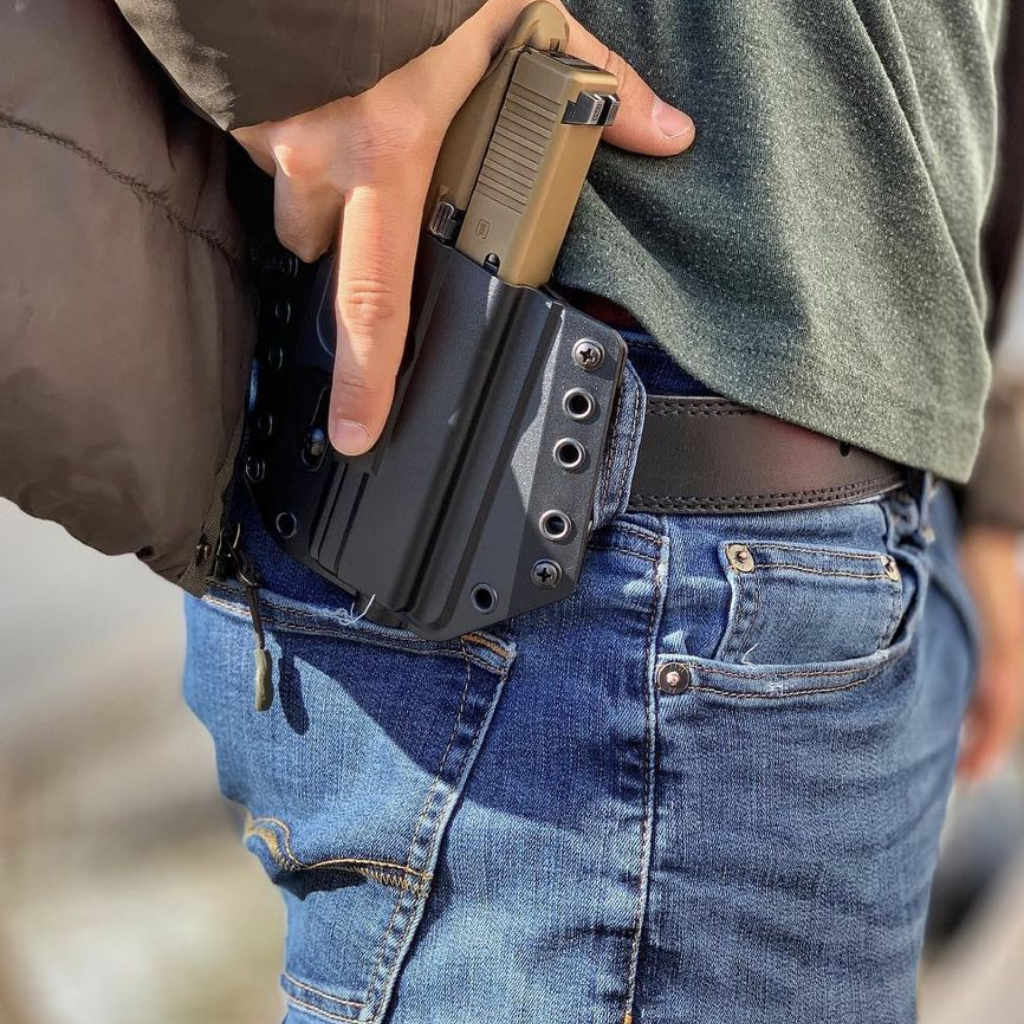
Smart Outerwear Choices for Quick Access
Outerwear is the first defense against cold weather, but it’s also a potential obstacle to operating your firearm. Choosing the right jacket ensures that you can stay warm while keeping your weapon accessible.
- Two-Way Zipper Jackets: These versatile jackets allow you to unzip the bottom half for quick access. Side zippers or snap openings offer similar advantages.
- Tactical Coats: Some jackets are specifically designed for concealed carry, featuring hidden holster pockets or access panels. These details ensure you can quickly draw without fumbling.
- Mid-Thigh or Waist-Length Jackets: Longer coats may restrict mobility and access. Opt for jackets that balance coverage and functionality.
For example, a tactical jacket combines functionality with modern style, giving you confidence and practicality. Always practice drawing your firearm while wearing your coat to identify and fix any issues.
Explore tactical outerwear options at US Concealed Carry Association.
No products found.
How Should You Layer Clothing for Concealed Carry in Cold Weather?
Layering for winter carry should prioritize firearm access. Keep the holster outside of heavy base layers and avoid multiple garments covering the grip area. Mid-layers should not obstruct draw paths. The outermost garment should clear easily during movement and practice draws.
- Base Layer: Begin with a fitted, moisture-wicking shirt. It keeps you warm without adding bulk.
- Mid Layer: Add slim-fit sweaters or fleece jackets to trap heat while allowing free movement.
- Outer Layer: Your coat should integrate well with your holster and avoid snagging or restricting motion.
Avoid oversized or overly thick layers. Bulky clothing makes drawing your firearm cumbersome and increases the risk of printing.
Does Cold Weather Affect Firearm Performance?
Cold weather can impact lubrication, metal contraction, and grip performance. Thick gloves may reduce trigger sensitivity, and condensation from temperature changes may introduce moisture. Regular winter-specific cleaning, testing at the range, and using appropriate lubricants ensure reliable function.
- Inside-the-Waistband (IWB): These holsters work well under light layers but may require adjustments for heavier clothing.
- Outside-the-Waistband (OWB): OWB holsters shine in winter, offering quick access and concealment under jackets.
- Shoulder Holsters: When paired with jackets, shoulder holsters are ideal for winter. They provide discreet, comfortable carry and straightforward access.
Test your holster with your full winter outfit. Practice ensures smooth, efficient draws in real-world situations.
What Holster Setup Works Best in Winter?
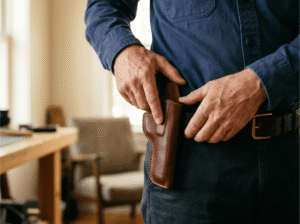
Inside-the-waistband (IWB) holsters often perform best in winter due to added garment coverage. However, bulky clothing may require adjusting carry position for comfort and access. Ensure holster retention remains secure despite extra layers.
Winter Holster Tips
- Test draw with full winter outfit
- Confirm retention after layering
- Consider a slight carry position adjustment
Learn more about holsters at NRA Shooting Sports.
How Do Gloves Impact Concealed Carry?
Gloves can slow draw speed and reduce trigger control. Choose gloves that allow dexterity without excess material around the trigger guard. Practice safely at the range with winter gloves to ensure muscle memory remains consistent.
- Tactical Gloves: These are thin yet durable and provide excellent grip and trigger sensitivity.
- Convertible Mittens: These gloves allow you to keep your hands warm and free your fingers when needed.
Always test your gloves with your firearm at the range. This ensures they don’t compromise grip, trigger discipline, or accuracy.

- Warm & Weather Resistant: The 360° water resistant treatment coverage of these insulated Mechanix Wear Tactical...
- Durable & Functional Design: Reinforced with rugged Armortex on the thumb saddle and synthetic leather on the palm...
- Secure Fit: Equipped with a thermoplastic rubber wrist closure and adjustable hook and loop design, these gloves won't...

Last update on 2026-09-24 / Affiliate links / Images from Amazon Product Advertising API
Avoid Printing With Thoughtful Fabric Choices
The fabrics you wear can either help conceal your firearm or betray its presence. Thoughtful choices reduce the risk of printing.
- Opt for Wool or Fleece: These thick, textured materials effectively mask your firearm’s outline.
- Avoid Tight or Shiny Fabrics: Stretchy or reflective clothing can reveal the holster or firearm under your layers.
Before heading out, check your outfit in a full-length mirror to ensure your firearm remains fully concealed. Adjust as necessary.
Master the Layered Draw Technique
Unfortunately, winter layers add a few steps to the process of accessing your firearm. Mastering the layered draw technique ensures readiness.
Here’s how:
- Use your support hand to lift your coat or outer layer.
- Access your firearm with your dominant hand while keeping the outer layer out of the way.
- Draw and present your firearm in a controlled, smooth motion.
Practice this process repeatedly to build muscle memory. When an emergency arises, you’ll act instinctively and confidently.
Is Concealed Carry Different in Snow or Wet Conditions?
Snow and moisture increase rust risk and grip slippage. Protective finishes help, but regular inspection and drying are essential. Avoid letting wet garments rest directly against the firearm for extended periods.

- UPGRADED QUICK RELEASE BUCKLE: The specially designed zinc alloy buckle supports one handed operation without any...
- HIGH QUALITY STRETCH NYLON: The strap is made by special stretch material which is more solid than regular belt. More...
- MICRO-ADJUSTMENT FOR WAIST: The length of the belt can be adjusted according to individual needs to ensure a perfect fit...
Last update on 2026-09-24 / Affiliate links / Images from Amazon Product Advertising API
Consider Backup Carry Options
Sometimes winter layers make your primary carry method less practical. Backup options can add flexibility.
- Pocket Carry: A compact firearm in a pocket holster fits neatly into deep coat pockets.
- Ankle Holsters: These work well under thick pants and boots but require practice for quick access.
Backup options complement your primary setup rather than replacing it entirely.
Winter Concealed Carry Safety Considerations
Winter clothing can complicate draw mechanics and situational awareness. Always practice safe firearm handling, know your local laws, and train in realistic winter conditions. Safety and legal compliance remain the top priority regardless of weather.
Stay Warm and Armed With Winter Dressing
Mastering winter dressing for concealed carry means staying warm, prepared, and even stylish. Smart outerwear, strategic layers, and holster choices make your firearm accessible whenever you need it. By practicing regularly and selecting the right gear, you’ll maintain confidence and readiness regardless of the weather.
Check out this video from Falco Holsters about Winter Concealed Carry:
What’s your go-to tip for concealed carry during winter? Share your thoughts in the comments below! Your insights could help others enhance their setups.
FAQs
Can you safely conceal carry under a heavy winter coat?
Yes, but accessibility is critical. Heavy coats can trap your firearm beneath multiple layers, slowing your draw. Choose outerwear with two-way zippers, snap closures, or side vents that allow rapid garment clearing. Practice safely with your full winter setup to confirm you can access your firearm efficiently.
What type of jacket works best for concealed carry in winter?
Structured jackets that hang naturally and allow clean access are ideal. Two-way zippers and snap-front designs provide faster garment clearing than pullovers or tight elastic-hem coats. Avoid overly bulky or oversized parkas that shift excessively and increase printing or draw interference.
Does cold weather affect firearm reliability?
Cold temperatures can thicken lubricants, reduce dexterity, and introduce condensation when moving between temperature extremes. Using cold-weather-rated lubricant and performing regular inspections minimizes malfunctions. Testing your setup at the range in realistic winter conditions helps confirm reliability before carrying it daily.
How should you layer clothing for winter concealed carry?
Layering should preserve access to your firearm. Keep base layers thin and fitted, avoid mid-layers that cover the grip, and ensure the outer garment clears smoothly. Excessive layering over the holster area can cause printing and significantly delay your draw.
Do gloves interfere with drawing or trigger control?
Yes, bulky gloves can reduce dexterity and increase the risk of improper trigger contact. Choose thin, form-fitting gloves that allow precise finger movement. Practice safe dry-fire drills and range sessions with your winter gloves to ensure consistent handling and safe trigger discipline.
Should you adjust your holster position in winter?
You may need minor adjustments. Additional layers can change comfort, concealment angles, and draw mechanics. Small positional shifts, such as slightly forward or rearward along the waistband, can improve access while maintaining concealment and secure retention.
How can you prevent printing with winter clothing?
Structured outerwear and proper holster positioning are key. Avoid tight base layers that outline the grip and choose garments that drape naturally. Winter often improves concealment overall, but improper layering can still reveal firearm contours during movement.
Does snow or moisture increase firearm maintenance needs?
Yes. Snow, rain, and condensation increase the risk of corrosion. Even firearms with protective finishes require drying and inspection after exposure to moisture. Avoid allowing wet garments to rest against your firearm for extended periods, and clean it regularly during the winter months.
Is training different for winter concealed carry?
Winter training should reflect real-world conditions. Practice garment clearing, drawing with gloves, and movement while wearing heavier clothing. Cold-weather training helps identify access delays and comfort issues before they become safety concerns.
Are there legal considerations specific to winter concealed carry?
Firearm laws generally do not change with the seasons, but heavy clothing can impact how a firearm is perceived or accessed. Always understand your local laws, ensure proper concealment, and prioritize safe handling regardless of weather conditions.